
How To Create A Logo Design Even If You're Not A Designer
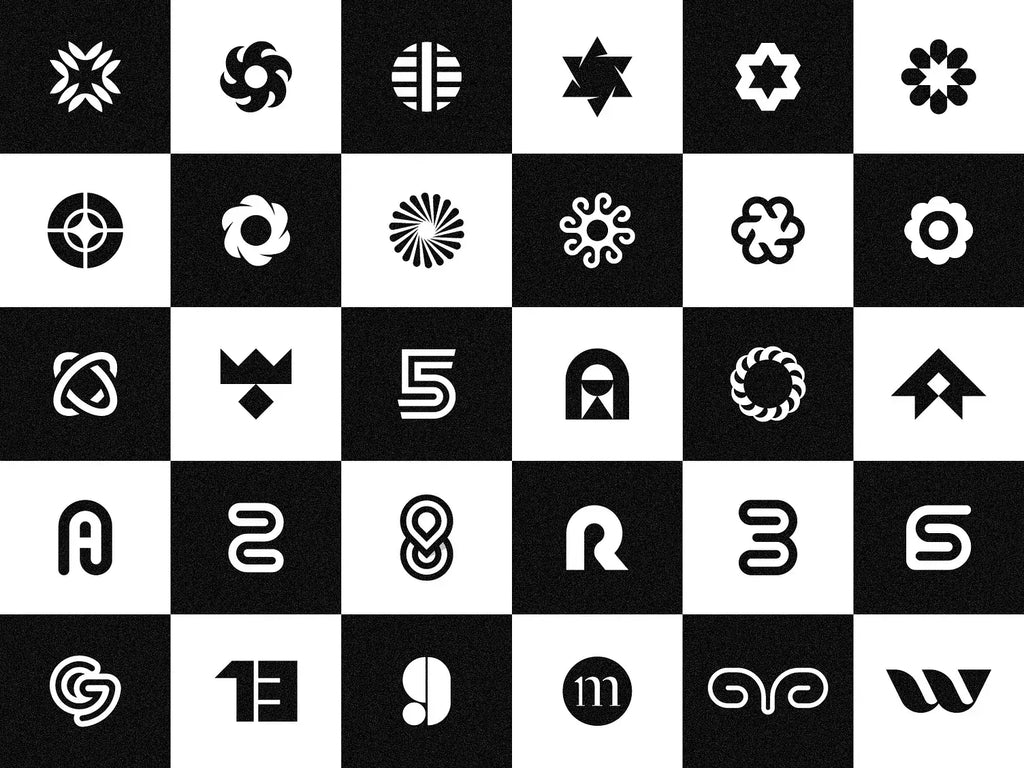
Source: Tornike Uchava, Logo Collection, Dribbble, https://dribbble.com/shots/19714466-modern-abstract-pictorial-symbolic-minimal-simple-logos
A strong logo design plays an important role in shaping how people recognize and remember a brand. Whether you are launching a small business, starting a blog, or building a personal brand, a well-crafted logo can make your identity look more professional and trustworthy. Many people assume that creating a logo design requires advanced graphic design skills or expensive software, but that is not always the case.
Today, anyone can create a simple yet effective logo design with the help of basic design principles and beginner-friendly tools. What matters most is understanding the purpose of a logo and knowing how to combine elements such as colors, typography, shapes, and balance. When these elements work together, even a non-designer can produce a logo that looks clean, memorable, and meaningful.
This guide will walk you through practical steps to create a logo design even if you have little or no design experience. From defining your brand personality to choosing the right fonts and visual symbols, you will learn how to make thoughtful design decisions. By following these tips, you can develop a logo design that represents your brand clearly and confidently without feeling overwhelmed by the process.
Understanding What Makes A Good Logo Design
Before creating a logo design, it is important to understand what makes a logo effective. A good logo design is more than just a decorative graphic. It is a visual symbol that represents a brand’s identity, personality, and values. Even if you are not a professional designer, learning a few basic principles can help you create a logo that looks thoughtful and professional.
One of the most important qualities of a successful logo design is simplicity. Simple logos are easier to recognize and remember. Think about well-known brands that use clean shapes, minimal colors, and clear typography. A simple logo design works well in many situations, from websites and social media profiles to printed materials like business cards and packaging.
Another key aspect is memorability. A logo design should leave a lasting impression on people who see it. This can be achieved by using unique shapes, distinctive typography, or clever visual elements. When a logo is memorable, customers are more likely to associate it with the brand.
Versatility also plays an important role. Your logo design should look good in different sizes, colors, and backgrounds. It should still be clear when it is small and recognizable when it is used in black and white. This flexibility ensures that the logo can be used across many platforms without losing its impact.
By focusing on simplicity, memorability, and versatility, you can build a strong foundation for your logo design. Understanding these qualities will make the design process easier and help you create a logo that communicates your brand effectively.
Defining Your Brand Identity Before Designing
A successful logo design always begins with a clear understanding of the brand it represents. Before opening any design tool or sketching ideas, take time to define your brand identity. This step helps ensure that your logo design communicates the right message and connects with the audience you want to reach.
Start by asking a few important questions about your brand. What does your business do? Who are your ideal customers? What values or emotions do you want people to associate with your brand? These answers will guide the direction of your logo design and make your visual choices more meaningful.
For example, a playful brand may benefit from bright colors and friendly typography, while a professional service might require a more minimal and elegant logo design. The tone of your brand should influence the shapes, colors, and fonts you choose. When the design reflects the brand personality, the logo feels more authentic and consistent.
It can also be helpful to write a short brand description or list a few keywords that represent your business. Words like modern, creative, trustworthy, or bold can help guide your design decisions. These keywords act as a creative compass during the logo design process.
By clearly defining your brand identity first, you avoid creating a logo that looks random or disconnected from your message. Instead, your logo design becomes a visual expression of your brand’s story, making it easier for people to understand and remember your business.
Choosing The Right Style For Your Logo Design
Once you understand your brand identity, the next step is choosing the right style for your logo design. The style you select will shape how people perceive your brand and determine whether your logo feels modern, classic, playful, or professional. Even if you are not a designer, selecting a clear visual direction can make the logo design process much easier.
There are several common logo design styles that beginners can explore. A minimalist logo design focuses on clean shapes, limited colors, and simple typography. This style is popular because it looks modern and works well across many platforms. A vintage or retro style uses classic typography and traditional design elements to create a sense of history and authenticity.
Another option is a hand-drawn or illustrative logo design, which can give your brand a creative and personal feel. This approach works especially well for artistic brands, small businesses, or handmade products. On the other hand, a geometric or abstract logo design uses shapes and symbols to create a more modern and conceptual identity.
When choosing a style, it is helpful to think about your audience and industry. A technology company may benefit from a clean and modern logo design, while a bakery might look more appealing with a warm and friendly style. The goal is to choose a style that supports your brand message and makes your logo easy to recognize.
By selecting a clear style early in the process, you create a consistent direction for your logo design. This helps you make better decisions about colors, fonts, and symbols while keeping the overall design cohesive and appealing.

Source: Pixtocraft, A Logo Mark Creative Modern Minimalist Logo Design, Dribbble, https://dribbble.com/shots/18849311-A-logo-mark-creative-modern-minimalist-logo-design
Finding Inspiration From Successful Logos
Looking at successful logos can be a helpful step when starting your own logo design. Inspiration allows you to understand what works well in different industries and how strong visual identities are created. However, the goal is not to copy other designs but to learn from them and develop your own unique logo design.
Start by exploring logos from brands that share a similar audience or industry. Pay attention to how these companies use shapes, typography, and color combinations. Notice how a simple logo design can communicate a clear message and remain memorable even after a quick glance.
Design galleries, branding websites, and creative platforms can provide a wide range of logo design examples. Observing different styles helps you recognize patterns and trends that appear in successful branding. For example, you may notice that many modern brands use minimal shapes, bold typography, or simple color palettes.
When gathering inspiration, it can be useful to create a small collection of logo design references. Save examples that catch your attention and try to identify what makes them effective. Is it the simplicity, the typography, or the clever use of negative space? Understanding these details can guide your own creative decisions.
Inspiration is a powerful tool for anyone learning logo design. By studying strong examples and analyzing what makes them work, you can build confidence in your creative process and develop ideas that lead to a more thoughtful and original logo design.
Selecting The Right Colors For Your Logo Design
Color plays an important role in any logo design because it strongly influences how people feel about a brand. Even if you are not a designer, choosing the right colors can make your logo look more professional and visually appealing. Colors help communicate personality, emotion, and brand values in a simple but powerful way.
Different colors often create different impressions. For example, blue is commonly associated with trust, reliability, and professionalism, which is why many technology and financial brands use it in their logo design. Red often conveys energy, excitement, and passion, making it popular for food and entertainment brands. Green is frequently connected with nature, growth, and sustainability.
When creating a logo design, it is usually best to keep your color palette simple. Many successful logos use only one or two main colors. Limiting the number of colors helps the logo remain clear and recognizable in different contexts. A simple color palette also makes the logo easier to reproduce across websites, social media platforms, and printed materials.
Another important factor to consider is contrast. Your logo design should remain visible on both light and dark backgrounds. Choosing colors that stand out from each other will help the design stay readable and visually balanced.
By carefully selecting colors that reflect your brand personality, you can create a logo design that feels intentional and memorable. Thoughtful color choices not only enhance the visual appeal of your logo but also strengthen the overall identity of your brand.
Picking Fonts That Match Your Brand Personality
Typography is another key element of a strong logo design. The fonts you choose can communicate a great deal about your brand’s personality and style. Even without advanced design skills, selecting the right typeface can significantly improve the overall quality of your logo design.
Different types of fonts create different impressions. Serif fonts, which have small decorative strokes at the ends of letters, often give a logo design a traditional and trustworthy feel. Sans-serif fonts, on the other hand, appear clean, modern, and simple, making them popular for contemporary brands and digital platforms.
Script or cursive fonts can add elegance and personality to a logo design, but they should be used carefully to maintain readability. Decorative fonts may also create a unique look, but too much complexity can make the logo harder to recognize, especially at smaller sizes.
When choosing typography for your logo design, clarity should always be a priority. The text must remain easy to read across different sizes and platforms. A clear font ensures that your brand name remains recognizable whether the logo appears on a website, social media profile, or printed material.
It is also helpful to avoid using too many fonts in a single logo design. In most cases, one primary typeface is enough. Keeping typography simple helps the logo feel balanced and professional while maintaining visual consistency.
By selecting fonts that reflect your brand’s tone and personality, you can create a logo design that communicates clearly and leaves a strong impression on your audience.
Using Simple Shapes And Symbols Effectively
Simple shapes and symbols can make a logo design more recognizable and easier to remember. Even if you are not a designer, working with basic visual elements can help you create a clean and meaningful logo. Many well-known brands rely on simple circles, squares, lines, or icons to communicate their identity clearly.
One reason simple shapes work well in logo design is that they are easy for the human eye to understand. A circle may represent unity or community, while a square can suggest stability and reliability. Triangles often convey strength, movement, or innovation. By understanding these basic associations, you can select shapes that support the message of your brand.
Symbols and icons can also help strengthen a logo design. For example, a camera icon might represent photography, while a leaf can suggest nature or sustainability. These visual elements make it easier for people to quickly understand what your brand represents. However, it is important to avoid using too many symbols at once, as this can make the design look cluttered.
When combining shapes and symbols, focus on balance and clarity. A strong logo design should remain easy to recognize even when viewed at a small size. Keeping the visual elements simple ensures that the logo remains effective across websites, social media platforms, and printed materials.
By using simple shapes and carefully chosen symbols, you can create a logo design that feels clear, professional, and visually engaging without requiring advanced design skills.
Source: Jose, K, Dribbble, https://dribbble.com/shots/19635700-K
Creating Your Logo With Beginner-Friendly Tools
Today, creating a logo design is easier than ever thanks to a variety of beginner-friendly tools. Even if you have no design experience, many online platforms and design applications provide simple features that allow you to build a clean and professional-looking logo.
Many logo design tools offer ready-made templates that can help you get started quickly. These templates include basic layouts, icons, and typography combinations that you can customize. By adjusting colors, fonts, and shapes, you can create a logo design that reflects your brand without needing advanced graphic design knowledge.
Drag-and-drop editors make the process even more accessible. Instead of drawing complex graphics from scratch, you can simply move elements around the canvas until the composition looks balanced. This approach allows beginners to experiment with different arrangements and discover what works best for their logo design.
While using templates can be helpful, it is still important to personalize the design. Try changing colors, modifying shapes, or adjusting typography to make the logo feel more unique. Even small adjustments can give your logo design a more original appearance.
Another useful step is to test several variations before choosing the final version. Creating multiple drafts helps you compare different styles and determine which logo design communicates your brand most clearly.
With the right tools and a bit of creativity, anyone can create a thoughtful logo design. Modern design platforms make it possible for beginners to develop logos that look polished and professional.
Testing Your Logo Design In Different Sizes And Backgrounds
After creating a logo design, it is important to test how it performs in different situations. A logo may look great on a large screen during the design process, but it also needs to remain clear and recognizable when used in smaller formats. Testing your logo design ensures that it works well across many real-world applications.
One of the first things to check is how the logo design looks at different sizes. For example, your logo might appear on a website header, a social media profile image, or a business card. When the design is reduced to a small size, all elements should still be easy to read and recognize. If the logo becomes difficult to understand when it is small, it may be a sign that the design is too complex.
Background testing is equally important. A strong logo design should work well on both light and dark backgrounds. Try placing your logo on different colors or textures to see if the shapes, text, and symbols remain visible. Good contrast between the logo and its background helps maintain clarity.
You should also test the logo design in black and white. This simple step helps ensure the logo remains recognizable even without color. Many logos are printed in monochrome on documents, packaging, or promotional materials.
By testing your logo design in multiple sizes and backgrounds, you can identify potential issues before finalizing the design. This process helps create a logo that remains flexible, professional, and effective in many different contexts.
Refining And Finalizing Your Logo Design
The final stage of creating a logo design involves refining the details and choosing the version that best represents your brand. Even if your first idea looks promising, taking time to review and improve the design can make a significant difference in the final result.
Start by examining the balance of the logo design. Look at how the shapes, text, and symbols interact with each other. The elements should feel visually balanced without appearing crowded or uneven. Small adjustments to spacing, alignment, or proportions can greatly improve the overall appearance.
It is also helpful to step away from the design for a short time and return with fresh eyes. When you revisit the logo design later, you may notice areas that could be simplified or improved. Sometimes removing unnecessary details can make the logo look stronger and more professional.
Another useful step is to gather feedback. Showing your logo design to friends, colleagues, or potential customers can provide valuable perspectives. Ask whether the logo is clear, memorable, and appropriate for your brand. Constructive feedback can help you identify improvements you might have overlooked.
Once you feel confident about the design, prepare the final version in several formats and sizes. This ensures your logo design is ready to be used across websites, social media platforms, and printed materials.
Refining and finalizing your logo design is an important step that transforms a simple concept into a polished visual identity that represents your brand with clarity and confidence.
Conclusion
Creating a logo design does not require professional training or advanced software. By understanding your brand identity, choosing the right colors and fonts, and keeping the design simple, anyone can develop a logo that looks clear and meaningful. The key is to focus on strong visual basics and refine your ideas step by step. With beginner-friendly tools and a thoughtful approach, your logo design can effectively represent your brand across many platforms and materials. A well-planned logo design helps build recognition, communicate your brand message, and create a lasting impression on your audience.
Let Us Know What You Think!
Every information you read here are written and curated by Kreafolk's team, carefully pieced together with our creative community in mind. Did you enjoy our contents? Leave a comment below and share your thoughts. Cheers to more creative articles and inspirations!
Related Articles


Leave a Comment