
How To Create A Good Typographic Logo Design
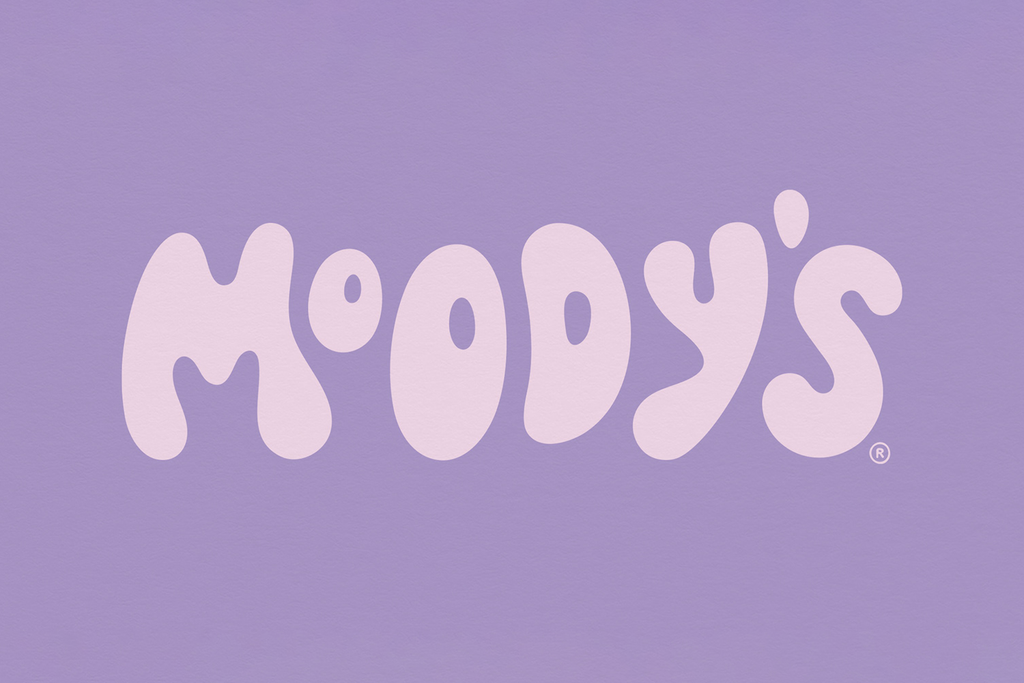
Created by Abby Haddican | https://www.behance.net/gallery/107552341/Moodys
A typographic logo design is one of the most effective ways to build a recognizable and memorable brand identity. Rather than relying on illustrations, mascots, or complex symbols, this type of logo uses carefully crafted typography as the primary visual element. Through the thoughtful selection and customization of letterforms, a brand can communicate its personality, values, and positioning while maintaining a clean and professional appearance. Many of the world's most recognizable brands use a typographic logo design because it places the company name at the center of the visual identity. This approach helps improve brand recognition while creating a strong connection between the audience and the business.
However, designing a successful typographic logo involves much more than choosing an attractive font. Factors such as readability, spacing, hierarchy, proportions, and customization all contribute to the effectiveness of the final design. A well-designed typographic logo should remain clear and impactful across a wide range of applications, from websites and social media profiles to packaging, signage, and promotional materials. Understanding the principles behind effective typography allows designers to create logos that are visually appealing, functional, and timeless. The following tips will help guide the process of creating a typographic logo design that strengthens brand identity and leaves a lasting impression.
Understand The Brand Before Designing
Every successful typographic logo design begins with a thorough understanding of the brand it represents. Before exploring fonts, layouts, or visual styles, designers should identify the company's mission, values, audience, and market position. Typography is a powerful communication tool, and the wrong visual direction can create confusion about what a brand stands for.
A logo should reflect the personality of the business. For example, a law firm may benefit from typography that conveys professionalism, trust, and authority, while a creative agency may require a more expressive and contemporary appearance. Understanding these differences helps guide design decisions and ensures that the logo communicates the intended message.
Research is an important part of the process. Designers should examine the brand's competitors, industry trends, and customer expectations. This information can reveal opportunities to create a unique typographic logo design while still maintaining relevance within the market. Understanding the audience is equally important because typography often influences how people perceive a company's credibility, quality, and character.
Brand attributes can also help shape design choices. Words such as modern, elegant, friendly, innovative, or dependable provide valuable direction when evaluating typefaces and visual treatments. These characteristics should influence every aspect of the logo, from letterforms and spacing to weight and composition.
When designers begin with a clear understanding of the brand, the resulting typographic logo design feels intentional rather than decorative. It becomes a visual representation of the company's identity instead of simply a collection of attractive letters. This strategic foundation often leads to stronger, more memorable, and more effective logo designs.
Choose A Typeface That Matches Brand Personality
Selecting the right typeface is one of the most important decisions in creating a typographic logo design. Fonts communicate emotion, character, and meaning before viewers even begin reading the brand name. Because typography serves as the primary visual element, the chosen typeface must align closely with the brand's personality and objectives.
Different typeface categories create different impressions. Serif fonts are often associated with tradition, reliability, and sophistication because of their decorative strokes. Sans-serif fonts generally appear clean, modern, and approachable, making them popular among technology companies and contemporary brands. Script fonts can convey elegance, creativity, or a handcrafted quality, while display fonts often communicate uniqueness and strong visual character.
The goal is not to select a typeface simply because it looks attractive. Instead, designers should evaluate whether the font supports the brand's message. A luxury brand may require refined letterforms with balanced proportions, while a playful children's company may benefit from typography with softer shapes and greater personality. The typeface should reinforce what the business represents rather than contradict it.
Readability must remain a priority throughout the selection process. Even highly distinctive fonts should remain clear across different sizes and applications. A typographic logo design loses effectiveness if customers struggle to recognize the brand name quickly.
It is also important to consider long-term relevance. Trend-driven fonts may appear fresh initially but can become outdated over time. Choosing a well-crafted typeface with lasting appeal helps create a stronger visual identity that remains effective for years. When typography and brand personality work together, the logo becomes more memorable, authentic, and impactful.
Prioritize Readability
Readability is one of the most important principles in typographic logo design. No matter how creative or visually appealing a logo may be, it cannot effectively represent a brand if people struggle to read or recognize the company name. Typography serves as the primary communication tool in this type of logo, making clarity a fundamental requirement throughout the design process.
A readable logo allows audiences to identify a brand quickly, whether they encounter it on a website, product packaging, social media profile, business card, or outdoor sign. Consumers often interact with logos in fast-paced environments, so the typography must communicate instantly. If viewers need extra time to decipher the lettering, the logo may fail to leave a strong impression.
Designers should carefully evaluate factors such as font selection, letter spacing, stroke thickness, and overall composition. Overly decorative fonts can reduce legibility, especially at smaller sizes. Likewise, excessive customization may create visual confusion if the original letterforms become difficult to recognize. The goal is to maintain a balance between uniqueness and clarity.
Testing the logo at different scales is equally important. A typographic logo design that appears readable on a large screen may lose effectiveness when reduced to a mobile icon or social media avatar. Consistent readability across various applications ensures that the brand remains recognizable in every context.
Strong readability also contributes to professionalism and trust. Clear typography communicates confidence and attention to detail, helping audiences engage with the brand more easily. By prioritizing readability from the beginning, designers create logos that are not only visually attractive but also functional, memorable, and effective.
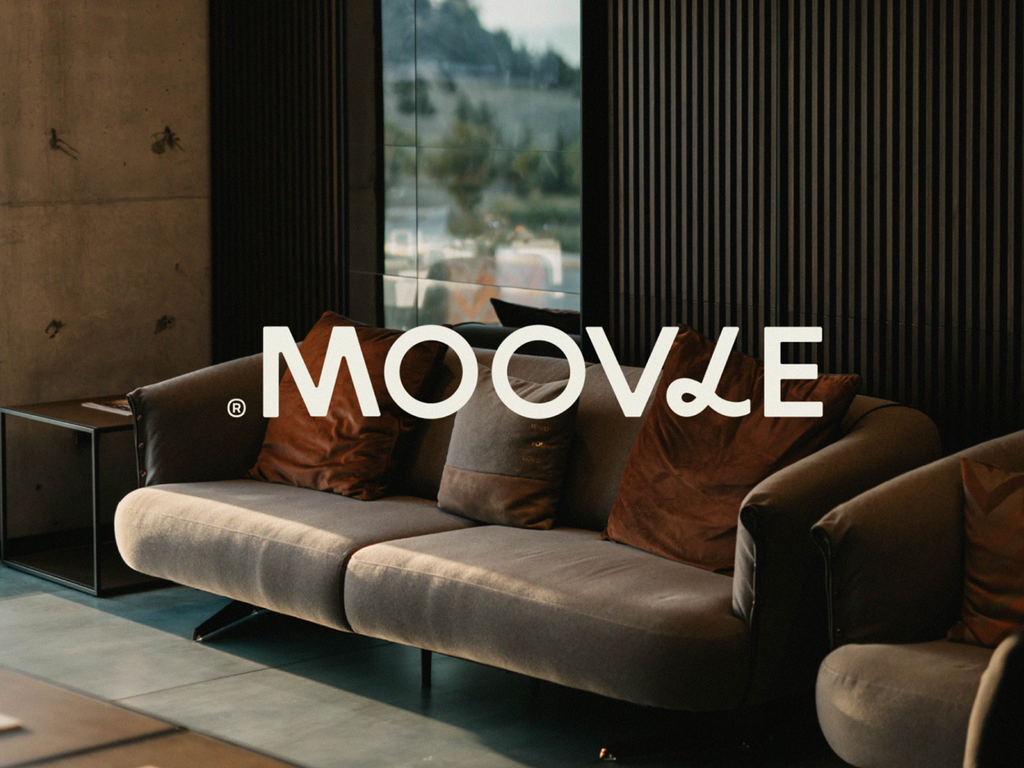
Created by VASK®️ Studio | https://dribbble.com/shots/16949535-Moovle-Logo-design/
Customize The Typography
Customization is what transforms a standard font into a distinctive typographic logo design. While choosing the right typeface provides a strong foundation, relying entirely on an existing font can make a logo feel generic or easily replicated. Customizing typography helps create a unique visual identity that reflects the brand's personality while improving recognition and memorability.
Typography customization can range from subtle refinements to significant alterations. Designers may adjust letter spacing, modify terminals, reshape specific characters, create custom ligatures, or introduce unique geometric elements. Even small changes can dramatically influence how a logo is perceived. The objective is not to decorate the typography unnecessarily but to strengthen its connection to the brand.
One effective approach is identifying opportunities within the letterforms themselves. Certain characters can become visual focal points that help differentiate the logo from competitors. For example, a customized initial, a distinctive connection between letters, or a creative treatment of negative space can add originality while maintaining readability.
However, customization should always support functionality. Excessive modifications can compromise clarity and reduce the effectiveness of the logo across different applications. Every adjustment should serve a purpose and contribute to the overall design strategy. Maintaining balance is essential because the typography must remain recognizable and easy to read.
A well-executed typographic logo design often appears simple at first glance, yet closer inspection reveals thoughtful custom details that make it unique. These refinements help establish a stronger brand identity while preventing the logo from looking like ordinary text. Through careful customization, designers can create typography that feels exclusive, memorable, and closely aligned with the brand it represents.
Pay Attention To Kerning
Kerning is the process of adjusting the space between individual letters, and it plays a critical role in the success of a typographic logo design. Even when a typeface is well chosen and visually appealing, poor letter spacing can make the logo appear awkward, unbalanced, or difficult to read. Because typography is the primary visual element in a typographic logo, every space between letters contributes to the overall quality of the design.
Many fonts are created with default spacing that works well for body text but not necessarily for logos. When letters are enlarged and viewed as a single visual mark, spacing inconsistencies become much more noticeable. Certain letter combinations naturally create uneven gaps that can distract viewers and weaken the overall composition. Careful kerning adjustments help establish visual harmony and improve readability.
Good kerning is not about making every gap mathematically equal. Instead, it focuses on creating the perception of balanced spacing. Designers often need to adjust individual letter pairs manually because different shapes interact in different ways. Rounded letters, diagonal strokes, and narrow characters can all create optical spacing challenges that require refinement.
A well-kerned typographic logo design feels polished and intentional. The letters appear connected as a cohesive unit rather than a collection of separate characters. This sense of balance strengthens brand perception and contributes to a more professional appearance.
Reviewing kerning at multiple sizes is also essential. Spacing that looks correct on a large screen may appear uneven when reduced. By carefully refining letter spacing throughout the design process, designers can create logos that are cleaner, more readable, and more visually sophisticated.
Establish A Strong Visual Hierarchy
Visual hierarchy helps guide the viewer's attention and organize information within a typographic logo design. While some logos consist of a single word, others include multiple words, taglines, descriptors, or supporting text. Without a clear hierarchy, these elements can compete for attention and make the logo appear cluttered or confusing.
A strong hierarchy establishes which information should be noticed first. In most cases, the company name serves as the dominant element because it is the primary identifier of the brand. Supporting text, such as a slogan or industry descriptor, should complement the name rather than overshadow it. Designers can create this distinction through variations in size, weight, spacing, alignment, or capitalization.
Typography naturally provides numerous tools for establishing hierarchy. A bold wordmark paired with lighter supporting text can create immediate contrast. Differences in scale can emphasize important information while maintaining overall balance. Strategic spacing also helps separate elements and improve readability without introducing unnecessary graphic elements.
Hierarchy becomes especially important when dealing with long brand names or multi-word compositions. Proper organization allows viewers to process information quickly and understand the structure of the logo at a glance. This improves both functionality and visual appeal.
A well-structured typographic logo design feels balanced and easy to navigate. The viewer's eye moves naturally through the composition, recognizing key information without effort. Strong hierarchy also contributes to versatility because the logo remains clear across different sizes and applications. By carefully arranging typographic elements according to their importance, designers create logos that communicate effectively while maintaining a clean and professional appearance.
Keep The Design Simple
Simplicity is one of the most valuable qualities in a successful typographic logo design. While it can be tempting to add decorative details, elaborate effects, or multiple visual elements, overly complicated typography often reduces clarity and weakens brand recognition. A simple logo allows the brand name to remain the focal point while making the design easier to remember and reproduce across different applications.
Simple typography does not mean boring typography. Instead, it involves making intentional design decisions that remove unnecessary distractions. Every element should serve a clear purpose and contribute to the overall identity of the brand. Clean letterforms, balanced spacing, and thoughtful customization often create a stronger visual impact than excessive ornamentation.
One of the biggest advantages of simplicity is improved recognition. People are more likely to remember logos that can be understood quickly. A typographic logo design with a clear and uncomplicated structure is easier to process visually, helping audiences build familiarity with the brand over time. This is particularly important in competitive markets where businesses must communicate their identity within seconds.
Simple logos are also more adaptable. They tend to perform better across websites, social media platforms, packaging, signage, and promotional materials because they retain their clarity in different environments. Complex details that look impressive in large formats may disappear or become distracting when reduced in size.
Many enduring logos demonstrate the power of simplicity. Their effectiveness comes from strong typography, careful proportions, and refined execution rather than excessive visual complexity. By focusing on clarity and purpose, designers can create a typographic logo design that feels professional, memorable, and capable of remaining relevant for many years.
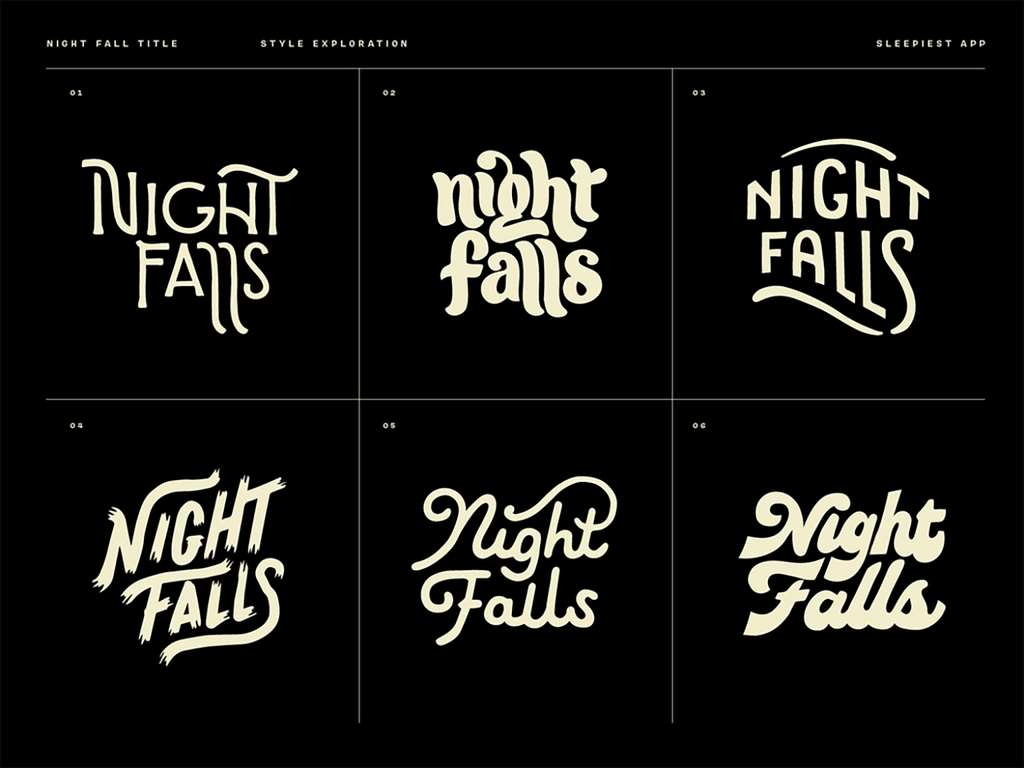
Created by Wells Collins | https://dribbble.com/shots/18837443-Night-Falls-Title-Concept-Sketches
Ensure Scalability Across Sizes
Scalability is an essential consideration when creating a typographic logo design. A logo must remain effective whether it appears on a large billboard, a website header, a product label, or a small social media profile image. If typography loses clarity or visual impact when resized, the logo may fail to communicate consistently across different applications.
Designers should evaluate how typography performs at both large and small scales throughout the development process. Fine details, thin strokes, and intricate customizations may appear attractive at larger sizes but become difficult to distinguish when reduced. A scalable logo maintains its readability and overall character regardless of its dimensions.
Testing the logo in realistic situations can reveal potential problems before finalization. Viewing the design on mobile screens, business cards, packaging, and digital icons helps determine whether important details remain visible. This process often highlights areas that require simplification or adjustment to improve performance.
Letter spacing also affects scalability. Characters that appear balanced at large sizes may seem crowded or uneven when reduced. Similarly, decorative elements that enhance a logo at one scale can become visual noise at another. Careful refinement ensures that the typographic structure remains strong under various conditions.
A scalable typographic logo design contributes to a more consistent brand identity because audiences encounter the same recognizable visual mark across every touchpoint. The logo should communicate with equal effectiveness whether it is displayed several feet wide or only a few pixels tall. By prioritizing scalability from the beginning, designers create typography that remains functional, professional, and visually appealing in both digital and print environments.
Create Consistent Letter Weight
Consistent letter weight is a fundamental element of a successful typographic logo design. Letter weight refers to the thickness of the strokes that form each character, and maintaining balance throughout the logo helps create a polished and professional appearance. When stroke weights vary without purpose, the typography can feel disjointed, making the logo appear less refined and harder to recognize.
Consistency becomes especially important when designers customize letterforms. Adjusting individual characters can enhance originality, but those modifications must still align with the overall visual structure of the typography. A single letter that appears noticeably heavier or lighter than the others may draw unwanted attention and disrupt the harmony of the composition. Every customization should support a unified visual language.
Balanced letter weight also improves readability. When the thickness of strokes remains visually consistent, viewers can process the wordmark more easily. Uneven weight distribution may create optical distractions that interfere with recognition, particularly when the logo is viewed at smaller sizes. This is one reason professional typographic logos often undergo multiple rounds of refinement before being finalized.
Different brands may require different weight levels depending on their identity. Bold typography can communicate strength, confidence, and authority, while lighter typography may suggest elegance, sophistication, or minimalism. Regardless of the chosen style, consistency should remain a priority across every letterform.
Testing the logo in various applications can help identify weight-related issues that are not immediately visible during the design stage. A typographic logo design with consistent letter weight maintains its integrity across print and digital platforms while presenting a cohesive brand image. This attention to detail contributes to stronger visual balance, better readability, and a more professional overall result.
Design For Versatility
Versatility is one of the defining characteristics of an effective typographic logo design. A logo must perform consistently across a wide variety of applications, including websites, social media platforms, business cards, packaging, signage, advertisements, and promotional merchandise. Designing with versatility in mind ensures that the logo remains recognizable and visually appealing regardless of where it appears.
A versatile logo begins with strong typography. Clean letterforms, balanced spacing, and a clear structure allow the design to adapt more easily to different environments. Overly complex details, intricate effects, or highly specialized treatments may limit the logo's usability and create challenges when applied across multiple formats.
Color flexibility is another important consideration. While a logo may have a primary color palette, it should also function effectively in black and white, grayscale, and single-color applications. Certain printing methods or production limitations may require simplified versions of the logo, making adaptability essential.
Designers should also consider both horizontal and vertical layouts when developing a typographic logo design. Different applications often require different orientations, and having flexible variations can improve consistency without sacrificing recognition. A logo that works well across multiple formats provides greater freedom when implementing brand materials.
Testing is a critical part of achieving versatility. Viewing the logo on digital screens, printed documents, packaging mockups, and promotional products can reveal weaknesses that may not be visible in the original design file. These evaluations help ensure that the typography remains clear and impactful in every context.
A versatile typographic logo design supports long-term brand consistency by maintaining its effectiveness across changing platforms, technologies, and marketing materials. This flexibility helps brands communicate more confidently while preserving a strong and recognizable visual identity.
Conclusion
A successful typographic logo design combines strategy, creativity, and attention to detail. Typography has the unique ability to communicate personality, tone, and professionalism through letterforms alone, making every design decision meaningful. Rather than relying on decorative elements, effective typographic logos achieve impact through thoughtful composition, balanced proportions, and purposeful visual choices. The strongest designs are often those that feel effortless while reflecting the essence of the brand they represent. By approaching typography as both a communication tool and a design asset, designers can create distinctive identities that remain relevant, recognizable, and adaptable as brands grow and evolve over time.
Let Us Know What You Think!
Every information you read here are written and curated by Kreafolk's team, carefully pieced together with our creative community in mind. Did you enjoy our contents? Leave a comment below and share your thoughts. Cheers to more creative articles and inspirations!
Related Articles


Leave a Comment