
Basic Logo Design Process From Start To Finish
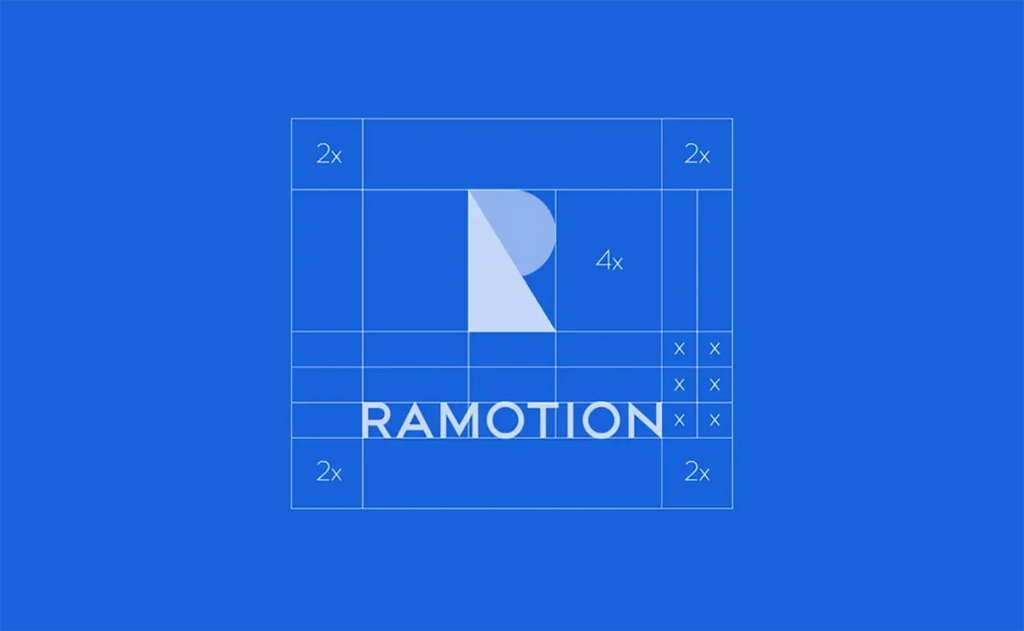
Source: Ramotion, Ramotion Logo Design, Behance, https://www.behance.net/gallery/35613259/Ramotion-Branding
A logo is often the first visual connection people have with a brand. Behind every memorable logo is a carefully planned journey that transforms an idea into a meaningful visual identity. The logo design process is not simply about creating an attractive symbol; it involves understanding a brand, exploring creative directions, making strategic decisions, and refining details until the final design communicates clearly. For designers, following a structured process helps turn creative thoughts into effective solutions. For businesses, understanding how logos are developed makes it easier to appreciate the time, research, and decisions involved in creating a professional identity. From initial research and concept development to digital creation and final delivery, every stage plays an important role. This guide explores the complete logo design process from start to finish, providing a clear overview of how professional logos are created and why each step matters.
Understanding The Basics Of A Logo Design Process
A successful logo rarely comes from a single idea created in a few minutes. Behind a strong visual identity is a sequence of decisions that helps designers understand the brand, define creative goals, and build a design that feels appropriate. The logo design process provides a framework that guides designers from early research to the finished logo. While every designer may approach projects differently, most professional workflows include similar stages that help maintain direction and quality.
Why A Structured Logo Design Process Matters
Having a clear process allows designers to create logos with intention instead of relying only on personal taste or random experimentation. Without proper planning, a design may look appealing but fail to communicate the right message or connect with the intended audience. A structured approach helps answer important questions before design work begins. What does the brand represent? Who is the audience? What emotions should the logo create? How will the logo be used in different situations? By answering these questions early, designers can make more informed choices about typography, colors, symbols, and layouts.
The Main Stages Of Professional Logo Creation
Although each project has unique requirements, the logo creation journey generally follows several important stages:
- Research and discovery help designers understand the brand and its environment.
- Brand strategy establishes the creative direction and design goals.
- Concept development transforms research into visual ideas.
- Sketching allows designers to explore different possibilities.
- Digital design turns selected concepts into polished logo artwork.
- Feedback and refinement improve the final result.
- Final preparation ensures the logo is ready for practical use.
Understanding these stages gives a clearer picture of how professional logos move from simple ideas into complete brand assets.
Step 1: Research And Brand Discovery
The first stage of the logo design process focuses on gathering information. Before creating shapes, choosing fonts, or experimenting with colors, designers need to understand the brand behind the logo. Research creates the foundation for every creative decision that follows. A logo should represent more than a company name; it should communicate the brand’s personality, values, and overall identity.
Learning About The Brand And Its Purpose
Designers begin by learning about the brand’s goals, products, services, and values. This information helps determine what type of visual direction may work best. For example, a company that wants to appear innovative may require a different approach from a brand that wants to feel traditional and trustworthy. The logo needs to match the personality the brand wants to communicate.
During this stage, designers often review information such as:
- Brand mission and vision
- Main products or services
- Company history
- Unique selling points
- Brand personality
- Desired customer perception
Understanding these details prevents designers from creating visuals that feel disconnected from the brand.
Researching The Target Audience And Market
A logo is created for people to recognize and remember, so understanding the audience is essential. Designers consider who the brand wants to attract and what visual styles may appeal to that group. Audience research can influence many design choices. Looking at similar brands can reveal common patterns, opportunities for differentiation, and possible design directions.
Creating A Clear Design Direction
After collecting information, designers usually create a creative brief. This document helps organize the project by defining important details such as goals, preferred styles, audience expectations, and practical requirements. A strong design direction keeps the project focused. It allows designers to explore creative ideas while still staying connected to the brand’s purpose. Without this foundation, the design process can become unclear and lead to unnecessary changes later. Research ensures that creativity starts with understanding rather than guesswork.
Step 2: Defining Logo Concepts And Design Strategy
Once designers understand the brand, the next step is developing possible creative directions. This stage connects research with visual exploration by turning information into concepts. A logo concept is more than a decorative idea. It represents the message, feeling, or story that the brand wants to communicate through its visual identity.
Choosing The Right Logo Style And Approach
Different logo styles create different impressions. Designers consider which format best matches the brand and its needs.
Common logo styles include:
- Wordmarks: Logos focused on the brand name using custom typography.
- Lettermarks: Logos built around initials or shortened brand names.
- Symbol-Based Logos: Visual icons that represent the brand.
- Combination Marks: Designs that combine text and symbols.
- Abstract Logos: Unique shapes that communicate ideas without literal images.
The right approach depends on factors such as brand personality, industry, audience, and future applications.
Building A Visual Concept
After choosing possible directions, designers begin exploring the meaning behind the logo. They consider how shapes, typography, and symbols can represent specific qualities.
For example, rounded shapes may suggest friendliness and accessibility, while strong geometric forms may communicate stability and precision. The strongest concepts usually balance creativity with clarity. A logo does not need complicated details to be meaningful. Often, the most effective designs communicate an idea through simple and memorable visual choices.

Step 3: Sketching And Exploring Initial Ideas
After developing a clear design strategy, designers begin exploring visual possibilities through sketching. This stage allows creative ideas to develop quickly before committing to a polished digital design. Sketching is an important part of the logo design process because it encourages experimentation. Designers can test different compositions, symbols, and layouts without spending too much time refining ideas that may not work.
Turning Ideas Into Visual Concepts
The sketching stage is where abstract thoughts begin becoming visible. Designers may create dozens of rough concepts, exploring different ways to represent the brand through shapes, letters, and symbols. Early sketches are not expected to be perfect. Their purpose is to discover possibilities and identify ideas with potential. A simple drawing may lead to a stronger concept after additional refinement.
During this phase, designers often experiment with:
- Different symbol ideas
- Typography arrangements
- Icon and text combinations
- Visual balance
- Negative space opportunities
- Unique ways to represent brand values
The goal is to explore broadly before narrowing down the strongest directions. For designers, this stage provides freedom to think creatively. Instead of immediately focusing on technical details, they can concentrate on the overall message and visual impression.
Selecting Strong Logo Directions
After exploring multiple sketches, designers evaluate which concepts have the strongest potential. They consider several important factors before moving into digital development.
A strong logo concept should be:
- Easy to recognize
- Relevant to the brand
- Simple enough to remember
- Flexible across different uses
- Visually balanced
Designers also consider how the concept may appear in real situations. A logo that looks interesting as a large sketch may not work well when reduced for smaller applications.
Step 4: Creating The Digital Logo Design
Once a strong concept has been selected, designers begin developing the digital version of the logo. This stage transforms rough ideas into a polished visual identity that can be used across different platforms. Digital design requires careful attention to details because small adjustments can significantly affect the overall appearance of a logo.
Developing Shapes, Typography, And Layout
During digital development, designers refine every element of the logo. Shapes are adjusted for better balance, typography is carefully selected or customized, and layouts are improved for visual harmony. Typography plays an especially important role when a logo includes text. The chosen lettering style can influence how people perceive the brand. A modern typeface may create a contemporary feeling, while a traditional style may communicate reliability or heritage. Designers also focus on spacing and alignment. The relationship between letters, symbols, and empty space affects readability and professionalism.
Choosing Colors And Visual Elements
Color selection is another important stage of digital logo development. Colors influence emotions and can help communicate specific brand qualities.
For example:
- Blue is often associated with trust and professionalism.
- Green can suggest growth, nature, or wellness.
- Red may communicate energy and confidence.
- Black can create a feeling of sophistication and strength.
However, color choices should always support the brand rather than follow general assumptions. The meaning of a color can change depending on the industry, audience, and cultural context. Designers also test different color combinations to ensure the logo remains clear and effective. A strong logo should work in full color while also maintaining its impact in black-and-white versions.
Designing For Different Applications
A professional logo needs to function in many environments. It may appear on websites, social media profiles, business cards, packaging, advertisements, or printed materials. Because of this, designers consider flexibility during the creation stage. The logo should remain recognizable at different sizes and across different backgrounds.
Designers often prepare variations such as:
- Primary logo versions
- Simplified logo marks
- Horizontal or vertical layouts
- Light and dark background versions
- Single-color versions
Creating adaptable designs ensures that the logo remains consistent wherever the brand appears.
Step 5: Reviewing, Testing, And Refining The Logo
The first digital version of a logo is rarely the final result. Refinement is a necessary part of the logo design process because it helps improve clarity, balance, and effectiveness. This stage involves reviewing the design carefully, gathering feedback, and making adjustments that strengthen the final outcome.
Gathering Feedback And Making Improvements
Feedback helps designers understand how the logo performs from different perspectives. Clients, team members, or other stakeholders may provide insights about whether the design reflects the intended brand message. However, effective feedback should focus on the goals of the project rather than personal preferences alone. A logo should not be changed simply because someone likes or dislikes a specific detail without considering its purpose.
Designers review feedback by asking questions such as:
- Does the logo represent the brand accurately?
- Is the message clear?
- Are the visual elements balanced?
- Does the design connect with the intended audience?
This approach helps maintain the strength of the original concept while allowing useful improvements.
Testing Logo Effectiveness
Testing ensures that the logo works in practical situations. Designers examine how it performs across different conditions before final approval.
Important areas to check include:
- Readability at small sizes
- Visibility on different backgrounds
- Recognition without color
- Clarity in digital and printed formats
- Overall visual consistency
A logo that only looks good in one presentation format may create problems later. Testing helps identify weaknesses before the logo is officially used.
Step 6: Preparing The Final Logo Files And Brand Assets
After the design has been approved, the final stage involves preparing files and resources for practical use. A completed logo needs to be organized properly so businesses can use it consistently.
Organizing Logo File Formats
Professional logo delivery usually includes multiple file types for different purposes.
Common formats include:
- Vector files for editing and large-scale printing
- PNG files for digital use with transparent backgrounds
- JPG files for general image applications
- Different color versions for various backgrounds
Providing organized files makes it easier for businesses to apply the logo across different materials.
Creating Basic Logo Guidelines
Many professional logo projects also include basic usage guidelines. These instructions help maintain consistency by explaining how the logo should appear.
Guidelines may include:
- Approved logo versions
- Brand colors
- Typography recommendations
- Spacing requirements
- Incorrect usage examples
Even simple guidelines can protect the logo from being stretched, changed, or used incorrectly.
A consistent visual identity helps audiences recognize the brand more easily over time.

Common Challenges During The Logo Design Process
Although the logo design process follows a structured path, designers and clients may face challenges along the way. Understanding these challenges helps create smoother projects and stronger results.
Designing Without Clear Brand Direction
One of the biggest challenges occurs when a project begins without enough information about the brand. Without clear goals, designers may create concepts that look appealing but do not communicate the right message. A clear understanding of the brand, audience, and purpose helps prevent confusion and reduces unnecessary revisions.
Focusing Too Much On Trends
Design trends can provide inspiration, but relying too heavily on temporary styles may reduce a logo’s long-term effectiveness. A successful logo should reflect the brand’s identity first. While modern influences can improve a design, the foundation should be based on clarity, relevance, and lasting appeal.
Ignoring Practical Logo Applications
Some designs may look impressive in a presentation but fail in real-world situations. A logo must work across different sizes, platforms, and materials. Considering practical use from the beginning helps designers create identities that remain effective beyond the initial launch.
Tips For Creating A More Effective Logo Design Process
A thoughtful workflow helps designers produce better results and makes the entire project more efficient. Several principles can improve the overall experience for both designers and clients.
Start With Strategy Before Creativity
Strong logos begin with understanding. Before creating visual concepts, designers should focus on research, goals, and brand direction. Starting with strategy ensures that creative decisions have a clear purpose and prevents designs from becoming disconnected from the brand.
Keep The Design Simple And Meaningful
Simplicity helps logos become easier to recognize and remember. A successful logo does not need excessive details to communicate an idea. The most effective designs often use carefully chosen elements that represent the brand clearly without unnecessary complexity.
Allow Time For Exploration And Refinement
Great logos usually develop through multiple stages of thinking, testing, and improvement. Allowing enough time for exploration gives designers the opportunity to discover stronger solutions. A careful process creates room for creativity while ensuring the final design meets practical and strategic goals.
Conclusion
The logo design process is a combination of research, creativity, strategy, and refinement. From understanding a brand’s purpose to preparing final files, every stage contributes to building a visual identity that communicates effectively. A professional logo is not created by choosing random colors or symbols. It develops through thoughtful decisions that connect the brand with its audience and create a consistent visual impression. By following a structured approach, designers can transform early ideas into meaningful logos that work across different platforms and remain valuable over time. Understanding this process also helps businesses appreciate the creative work behind the identities they see every day.
Let Us Know What You Think!
Every information you read here are written and curated by Kreafolk's team, carefully pieced together with our creative community in mind. Did you enjoy our contents? Leave a comment below and share your thoughts. Cheers to more creative articles and inspirations!
Related Articles


Leave a Comment