
30 Best Creature Character Design Ideas You Should Check
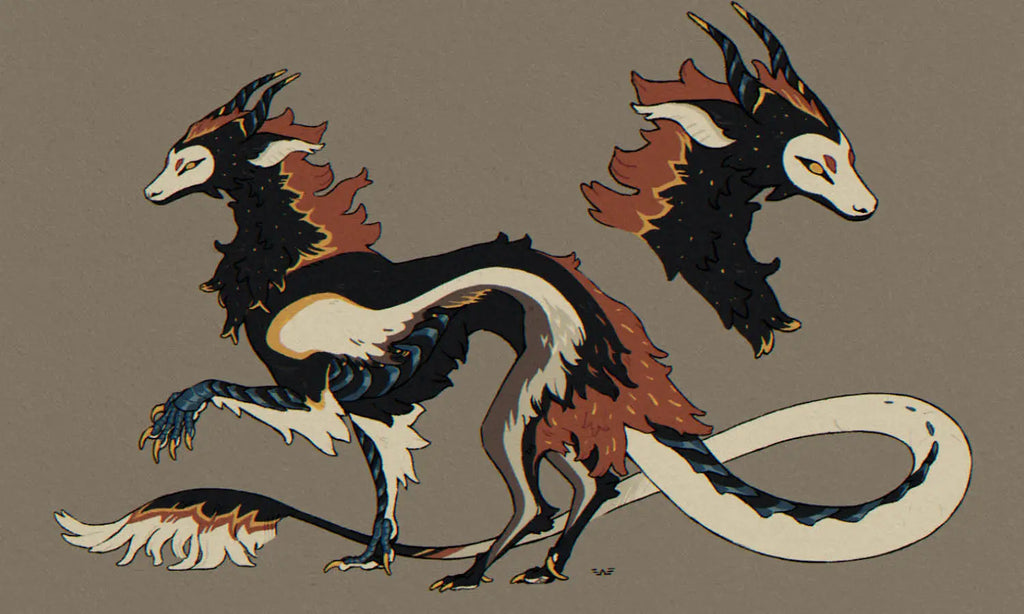
Source: ClaraScintilla, Dragon Adopt 3, Deviantart, https://www.deviantart.com/clarascintilla/art/COLLAB-Dragon-adopt-3-CLOSED-872134354
Some creature character design concepts hit differently—they don’t just look interesting, they feel like they’ve existed long before you sketched them. That’s the sweet spot. Instead of relying on familiar monsters or predictable fantasy tropes, the most exciting creature character design ideas come from bending logic, remixing references, and letting weird combinations lead the way.
This article pulls together a range of creature character design directions that challenge the usual approach. Imagine creatures built from environmental elements like smoke, glass, or moss, or personalities expressed through exaggerated anatomy rather than facial expressions. You might explore creatures that evolve visually depending on mood, or designs that hide key features until a second look. Even subtle distortions—like stretched proportions or asymmetrical balance—can turn a simple idea into something unforgettable.
If your goal is to create work that feels original rather than recycled, these ideas are meant to push you off the safe path. Treat each concept as a starting point, not a rule. The more you experiment, the more your creature character design will develop its own voice—one that stands out without trying too hard.
Creature Character Design Ideas
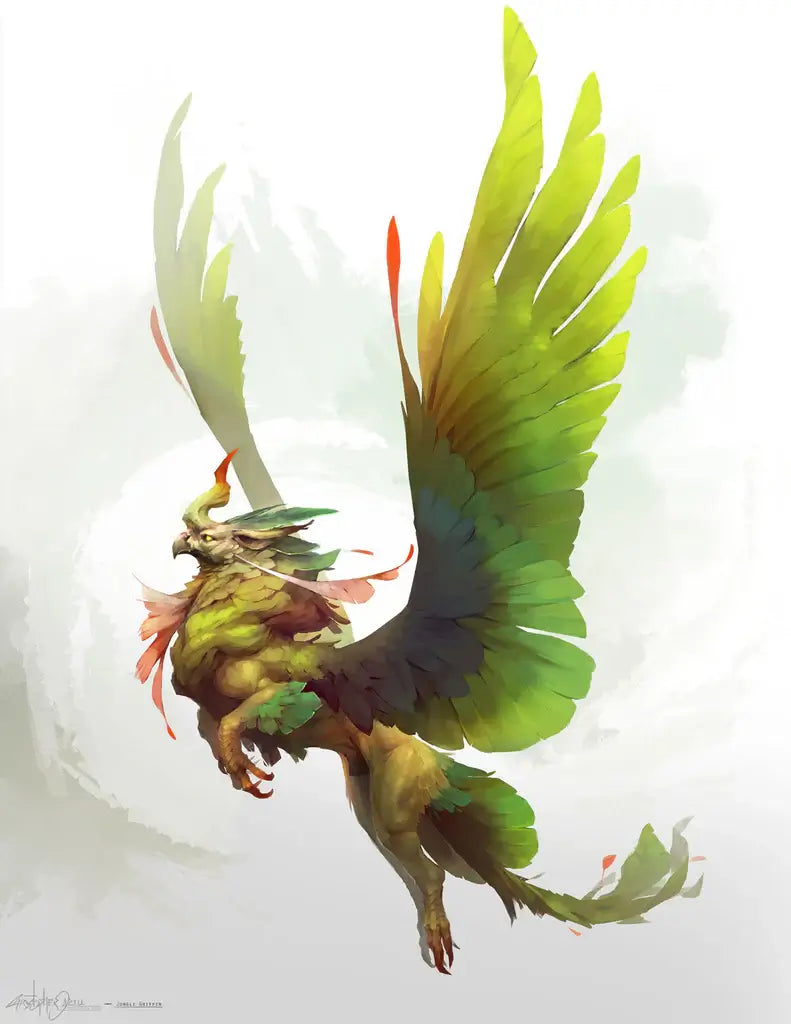
Source: Christopheronciu, Jungle Griffin, Deviantart, https://www.deviantart.com/christopheronciu/art/Creature-Design-Jungle-Griffin-632883316
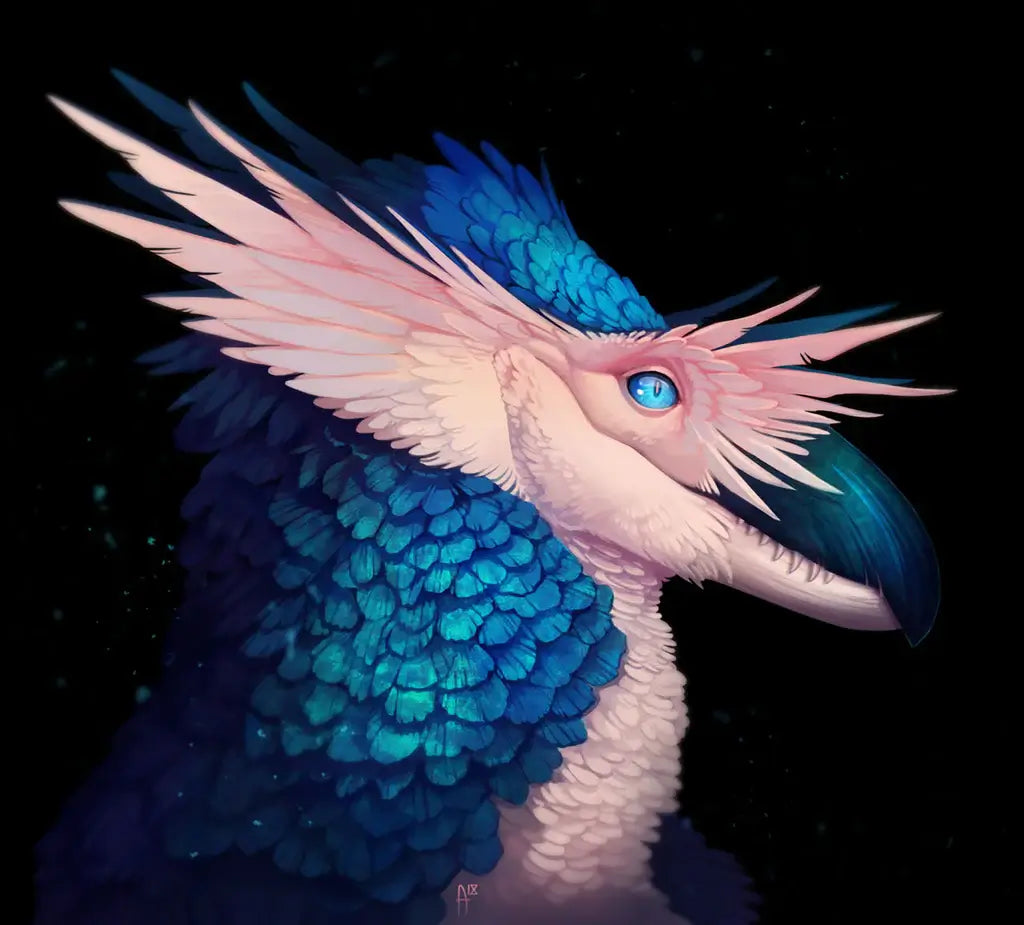
Source: Khorosh, Harvest 2018, Deviantart, https://www.deviantart.com/khorosh/art/Harvest-2018-842462836
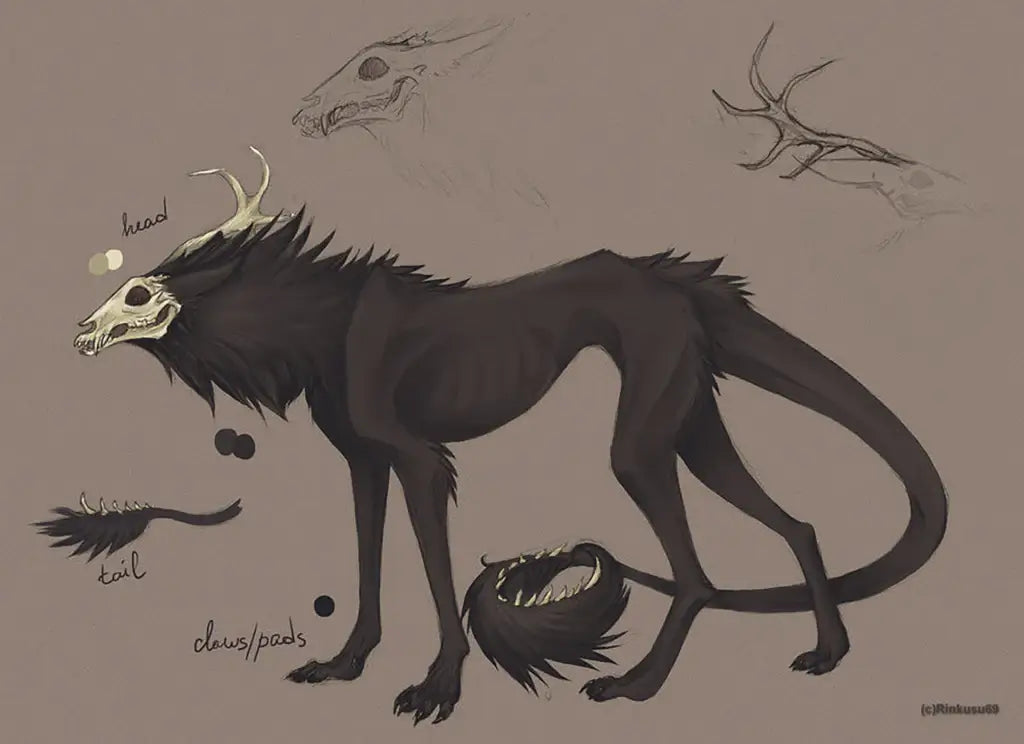
Source: Rinkusu69, Deviantart, https://www.deviantart.com/rinkusu69/art/creature-258857307
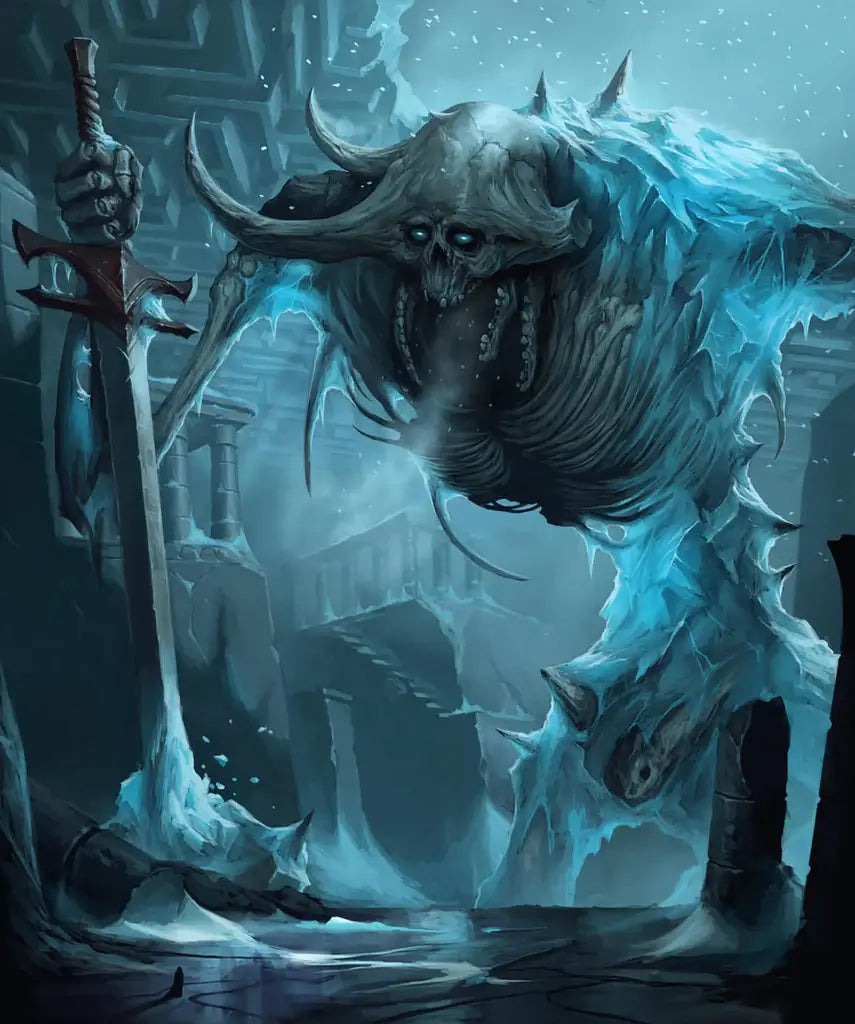
Source: Morkardfc, Pathfinder Demon, Deviantart, https://www.deviantart.com/morkardfc/art/Sithhud-the-Frozen-Lord-Pathfinder-Demon-643836564
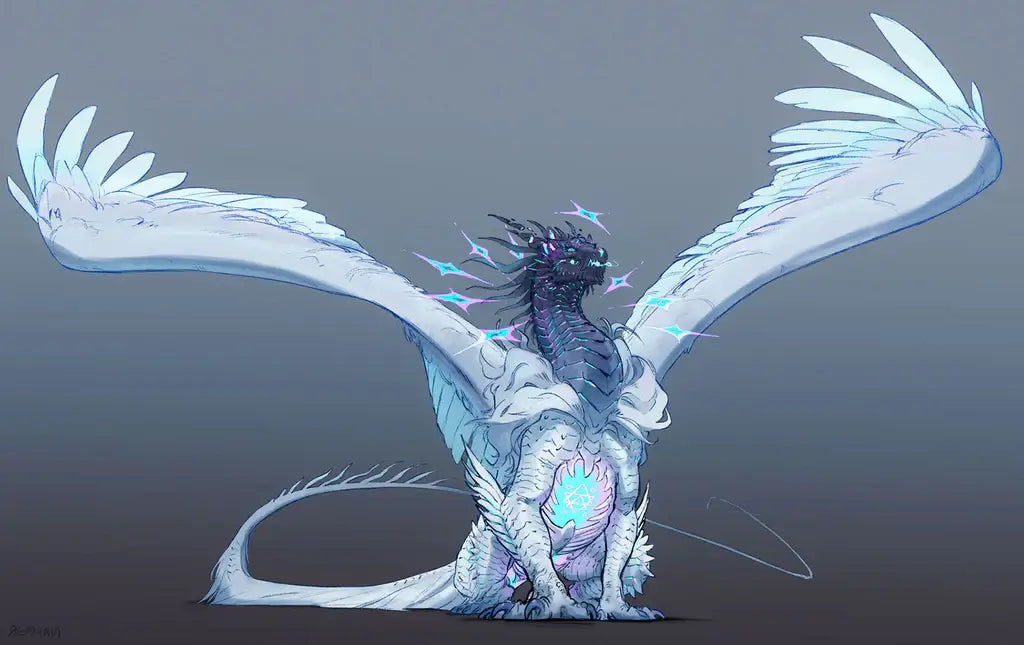
Source: Remarin, Arcanuv, Deviantart, https://www.deviantart.com/remarin/art/C-Arcanuv-963337045
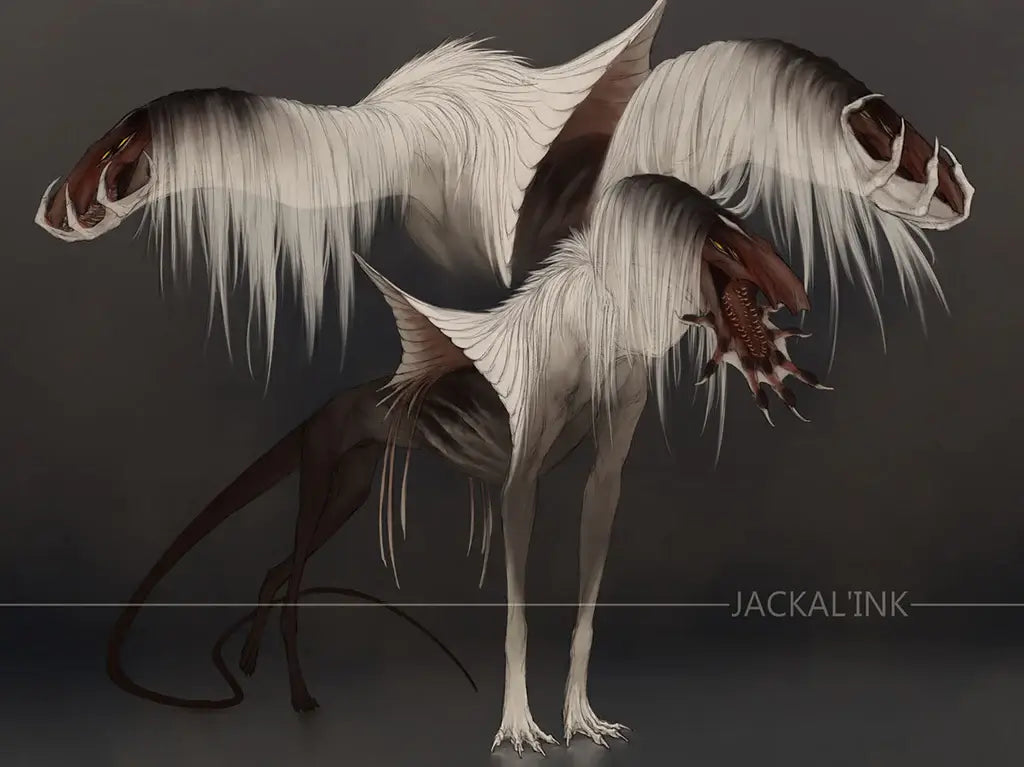
Source: R0she, Adopt, Deviantart, https://www.deviantart.com/r0she/art/ADOPT-closed-898396232
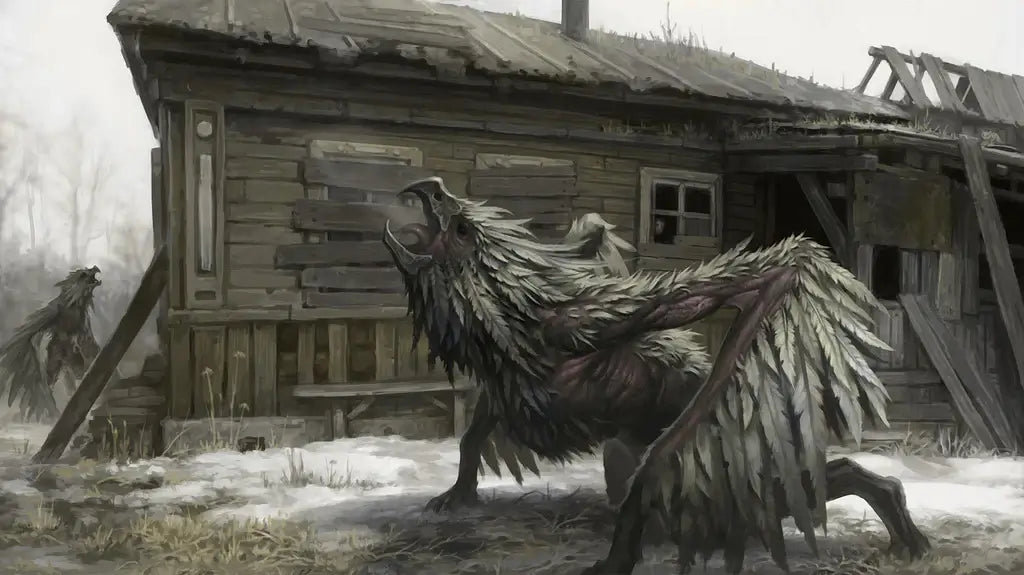
Source: Deniszhbankov, Shelter, Deviantart, https://www.deviantart.com/deniszhbankov/art/Shelter-831607519
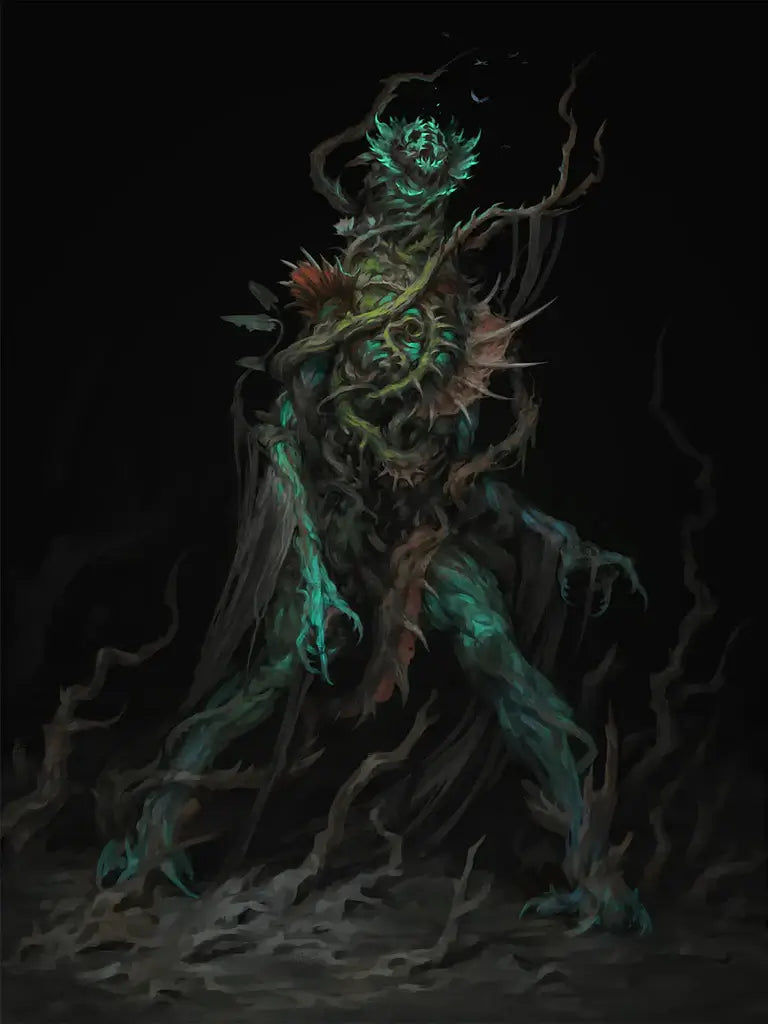
Source: Deniszhbankov, Flower Demon, Deviantart, https://www.deviantart.com/deniszhbankov/art/Flower-demon-864817981
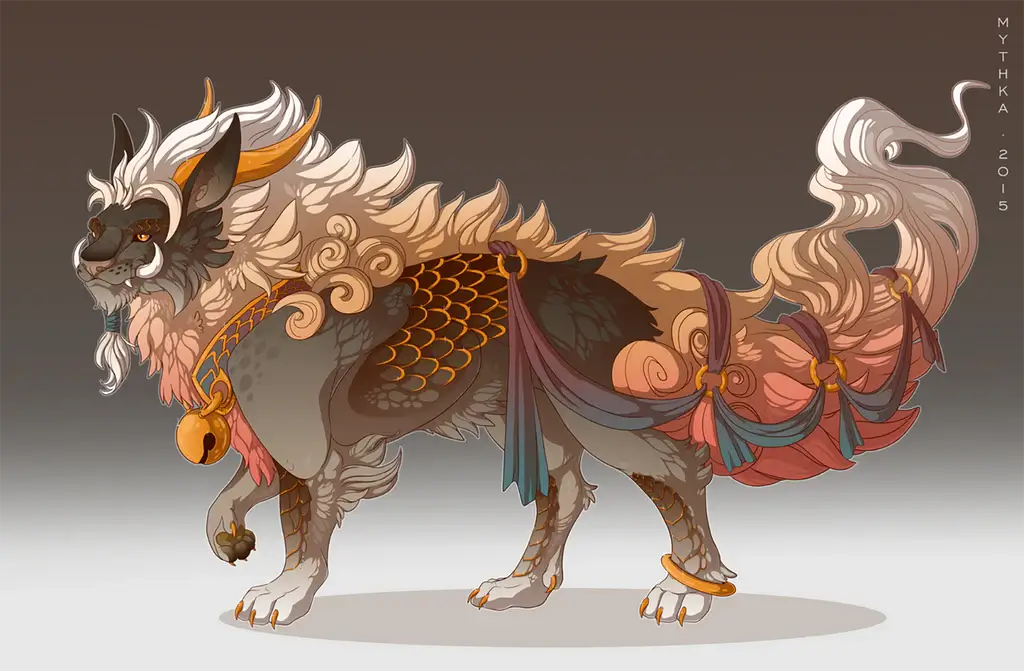
Source: Mythka, Brom, Deviantart, https://www.deviantart.com/mythka/art/Brom-508522928
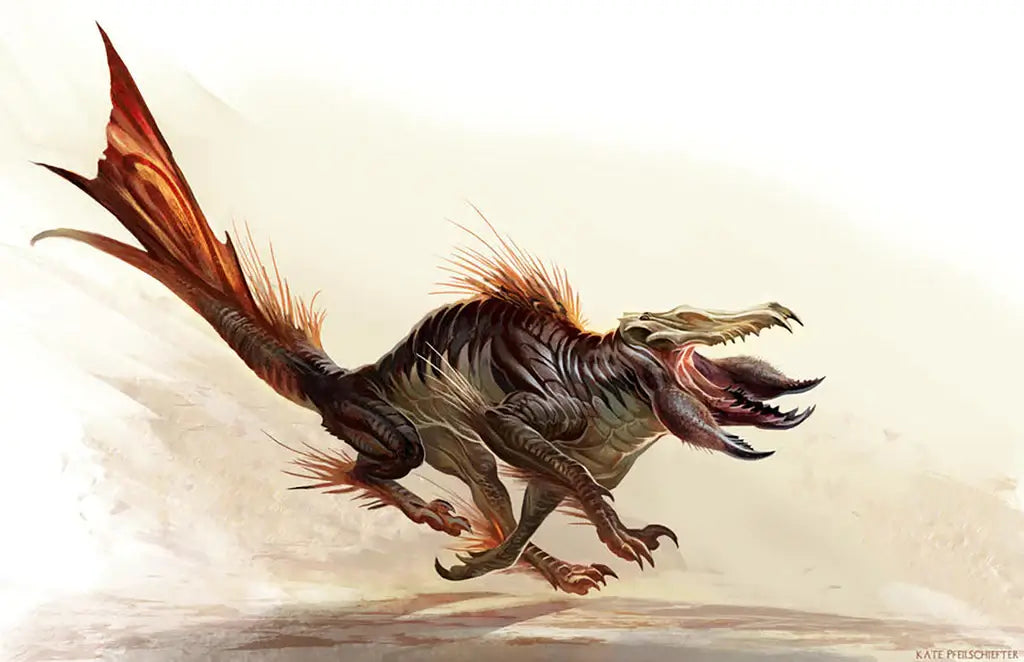
Source: Katepfeilschiefter, Caecuraptor Redux, Deviantart, https://www.deviantart.com/katepfeilschiefter/art/Caecuraptor-Redux-543495955
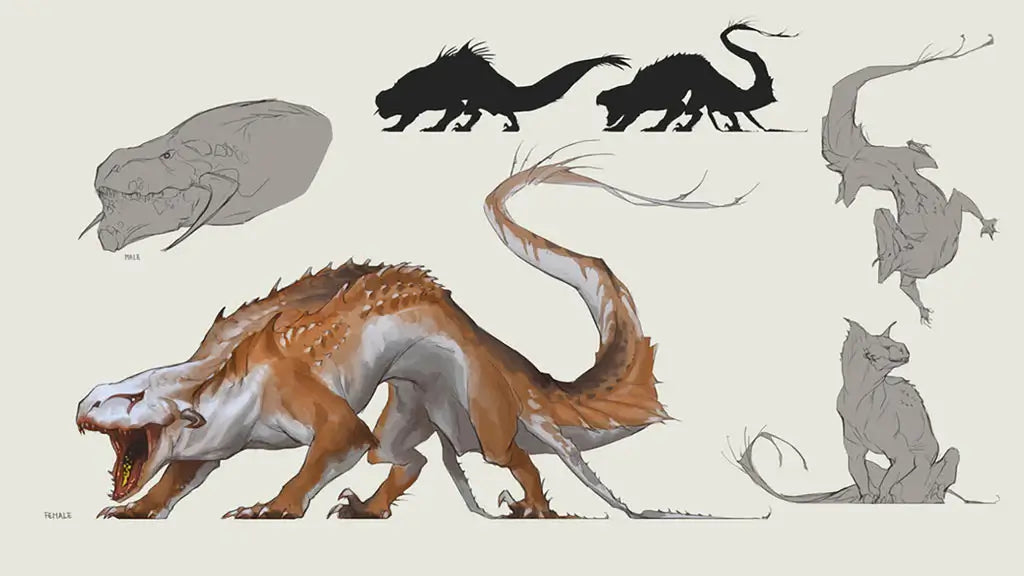
Source: Unodu, Deviantart, https://www.deviantart.com/unodu/art/Monster-764276207
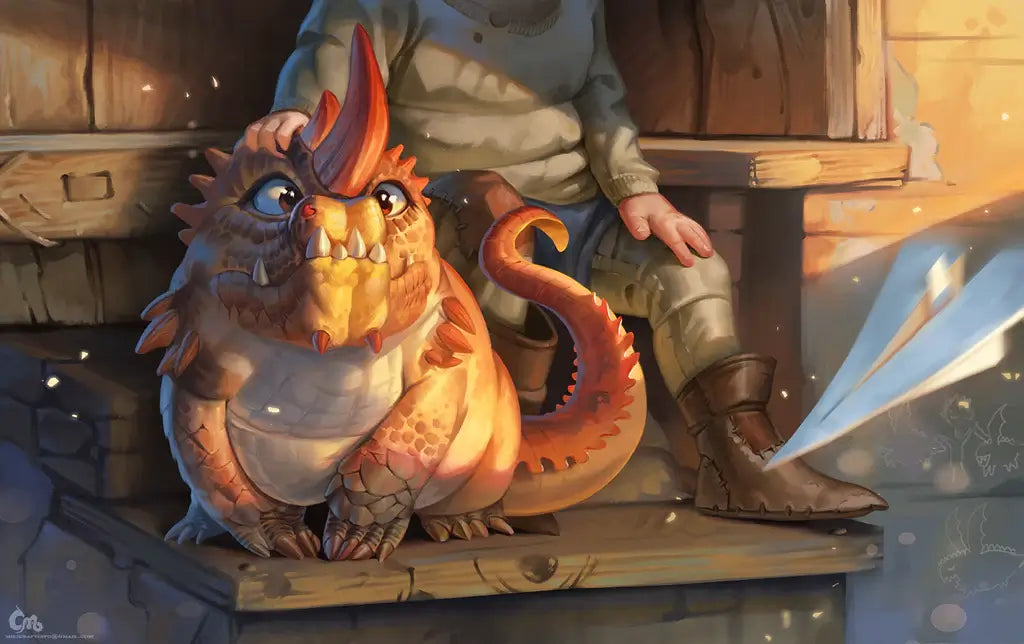
Source: Milicraft, Thumper, Deviantart, https://www.deviantart.com/milicraft/art/Thumper-825452467
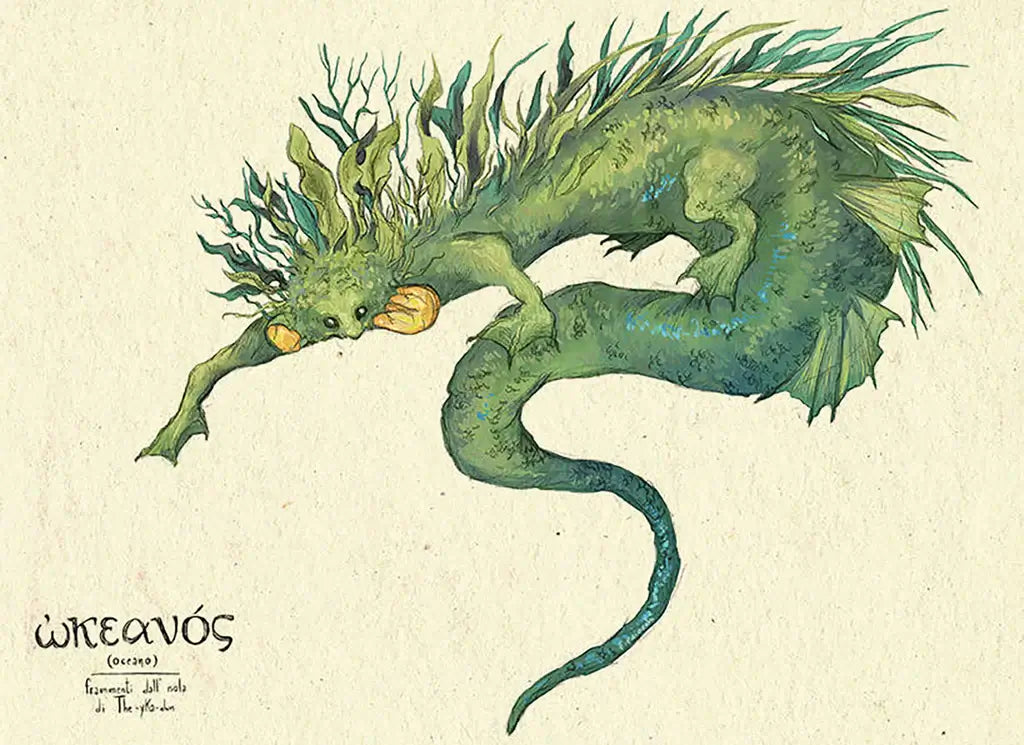
Source: Francescapaiocchi, Green Water Creature, Deviantart, https://www.deviantart.com/francescapaiocchi/art/Green-Water-Creature-884864810
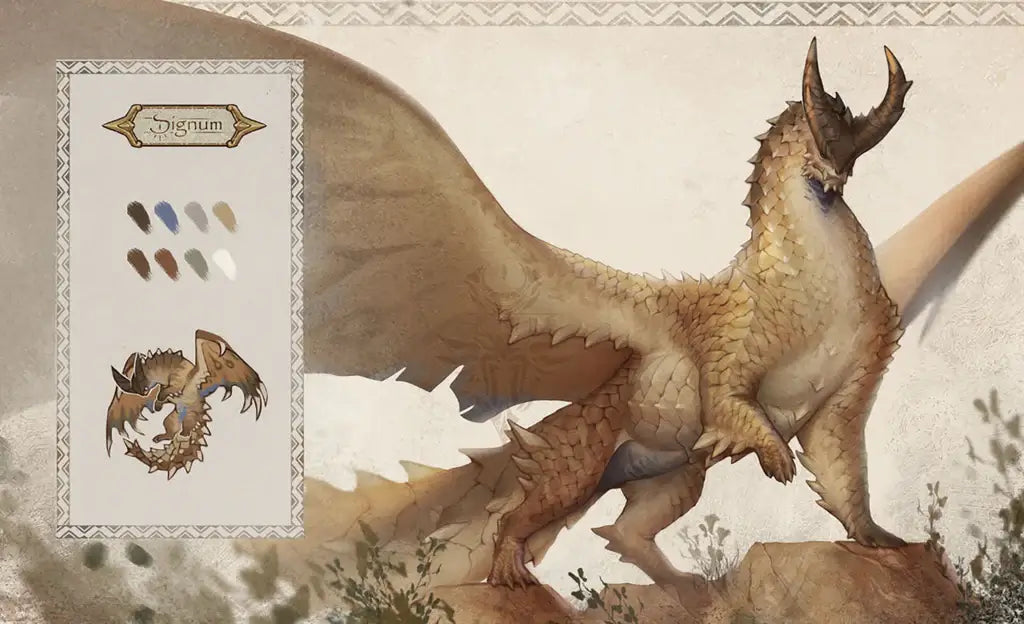
Source: Signumignitum, Earth, Deviantart, https://www.deviantart.com/signumignitum/art/earth-custom-design-904247168
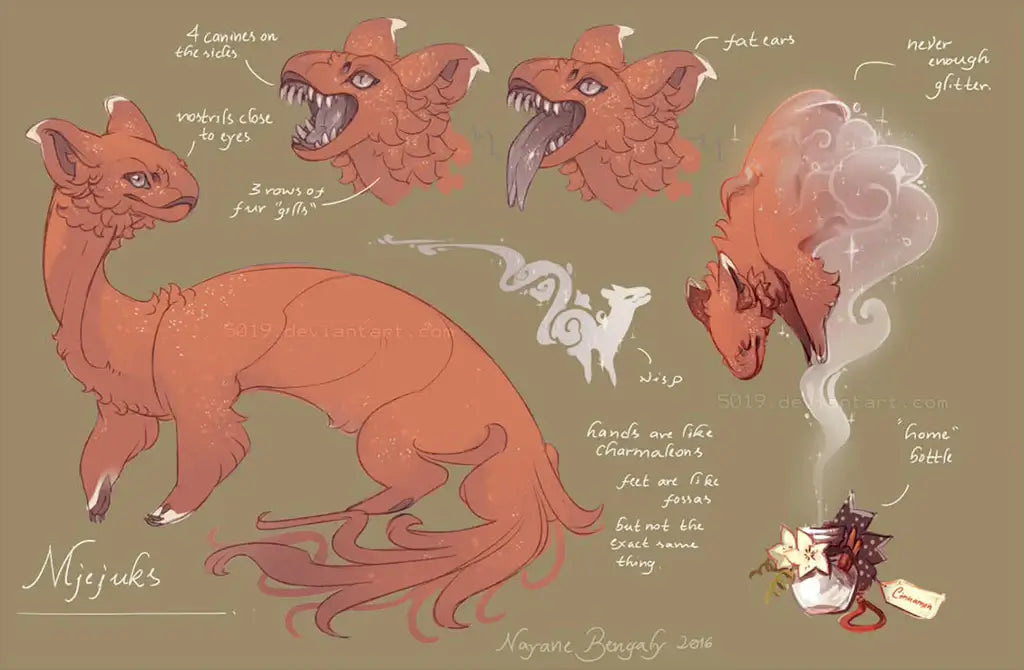
Source: 5019, Mjejuk Things, Deviantart, https://www.deviantart.com/5019/art/Mjejuk-things-592727171
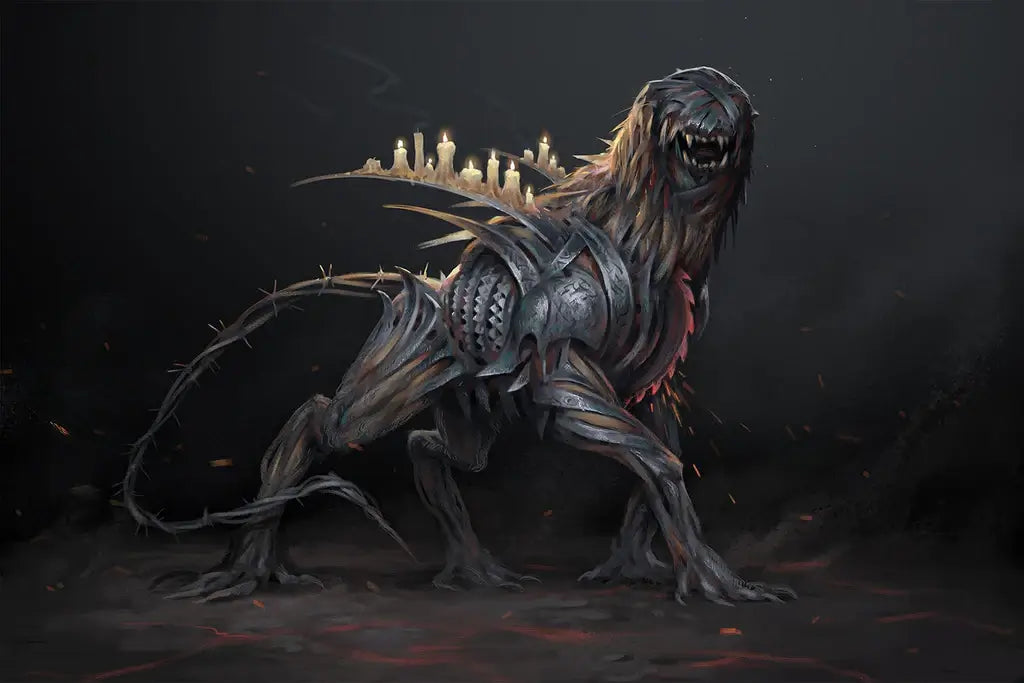
Source: Deniszhbankov, Hellhound, Deviantart, https://www.deviantart.com/deniszhbankov/art/Hellhound-903426114
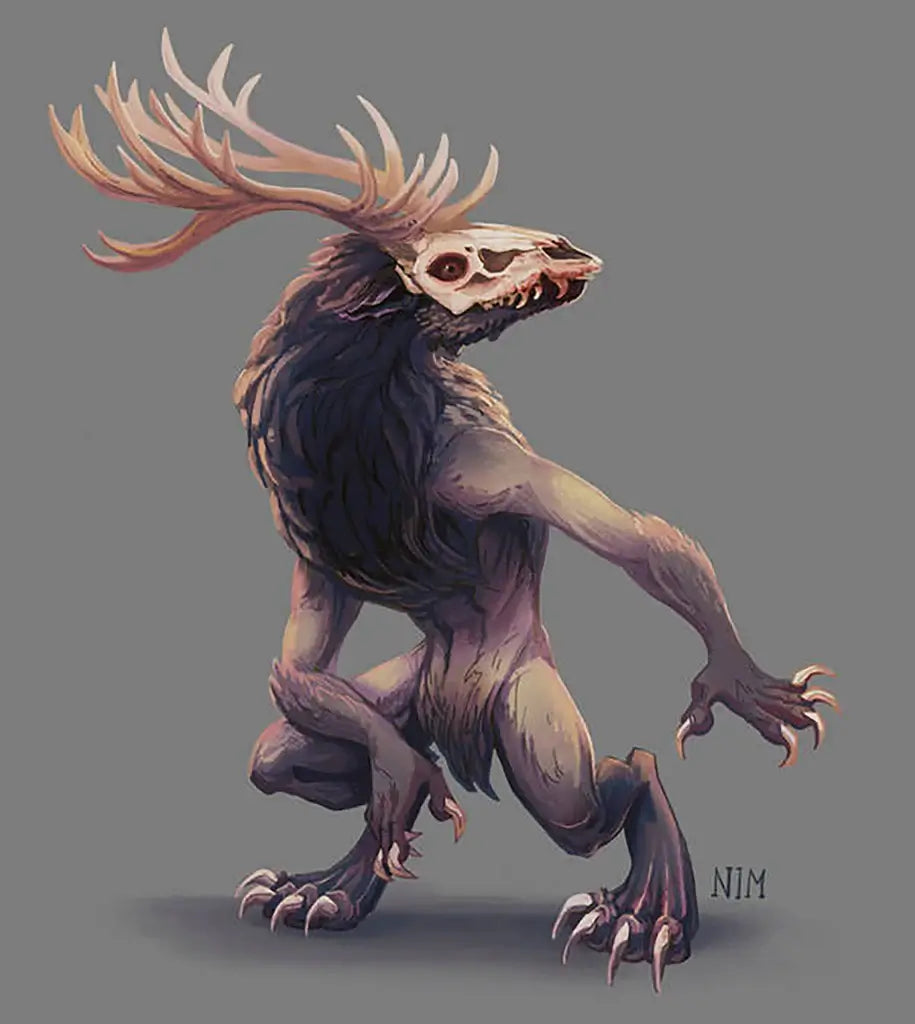
Source: Nimphradora, Hutah, Deviantart, https://www.deviantart.com/nimphradora/art/hutah-854966785
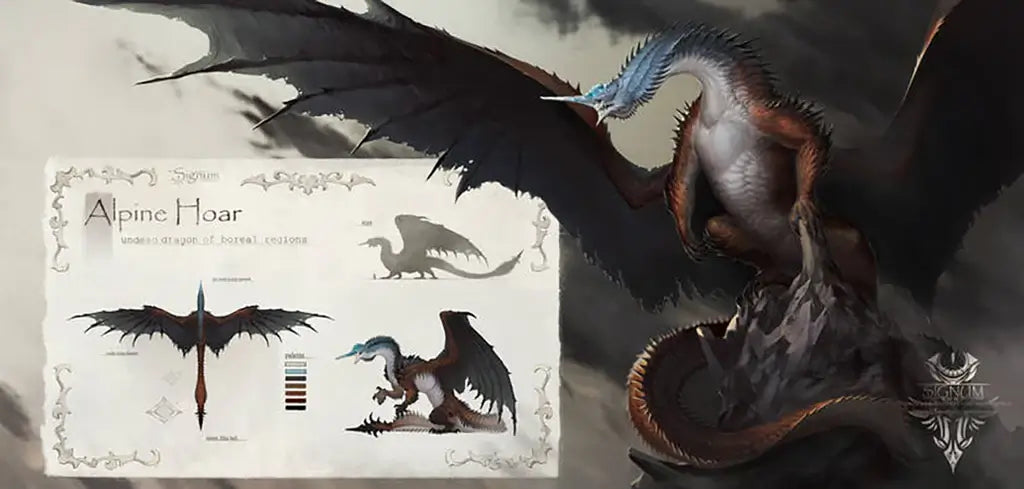
Source: Signumignitum, Dragon Adoptable, Deviantart, https://www.deviantart.com/signumignitum/art/dragon-adoptable-closed-930911528
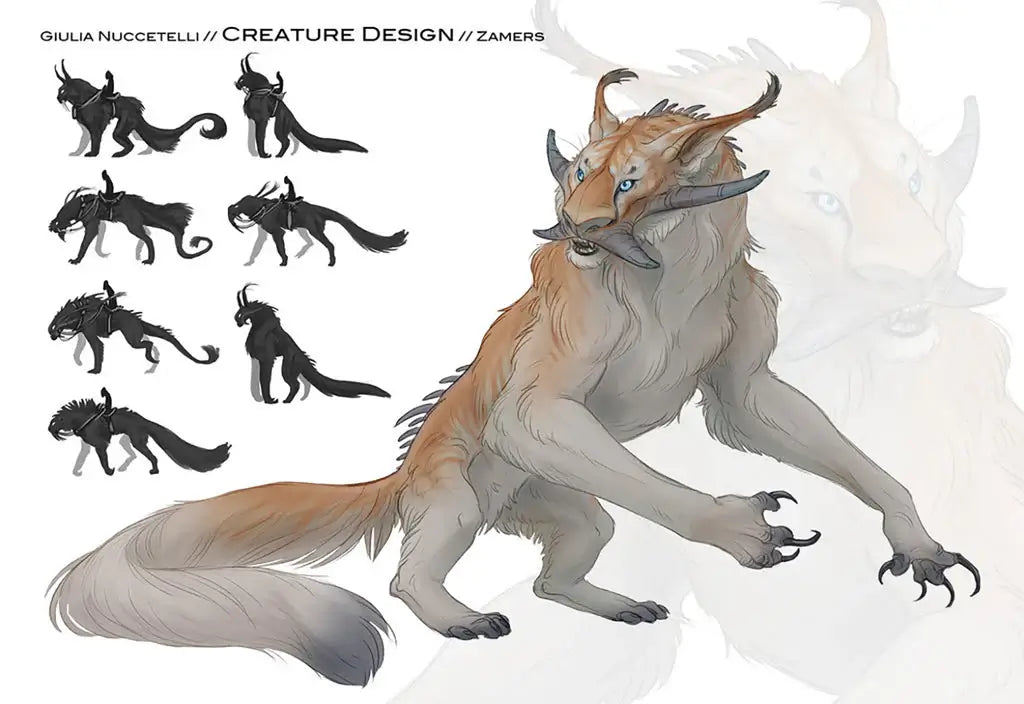
Source: Spighy, Deviantart, https://www.deviantart.com/spighy/art/School-project-Zamers-Cassandra-541567302
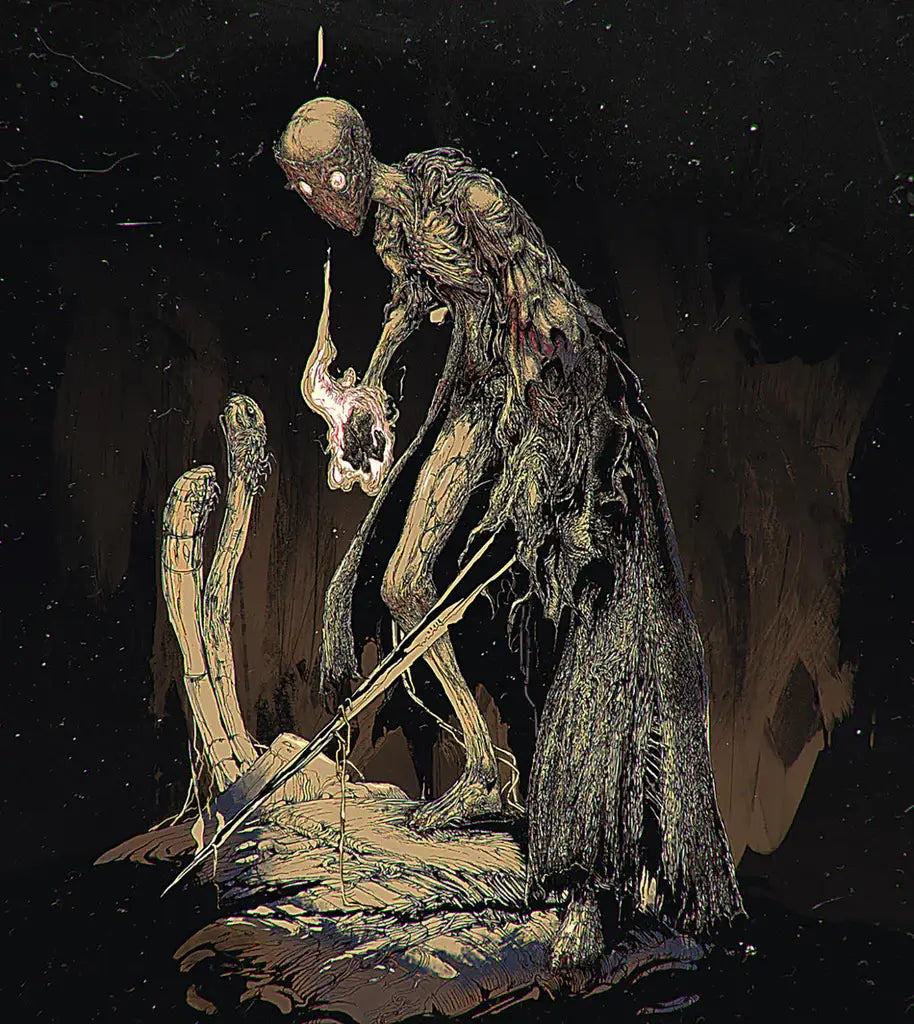
Source: Carpet-Crawler, Masked, Deviantart, https://www.deviantart.com/carpet-crawler/art/Masked-631759738
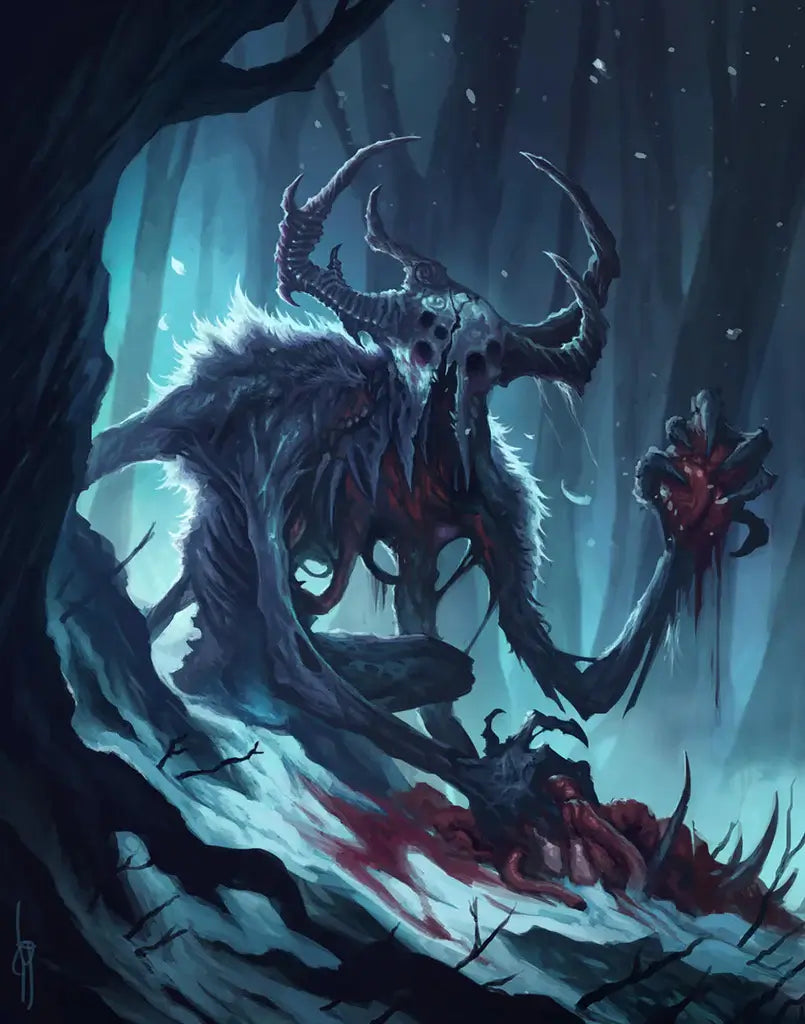
Source: Morkardfc, The Wendigo, Deviantart, https://www.deviantart.com/morkardfc/art/The-Wendigo-803026983
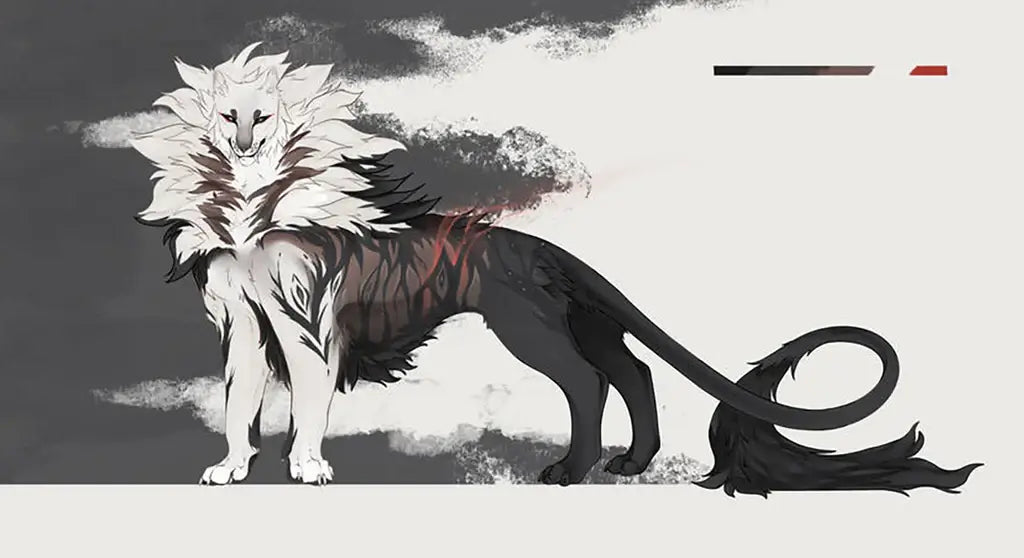
Source: Dittomay, Adopt Nebula, Deviantart, https://www.deviantart.com/dittomay/art/Adopt-Nebula-CLOSED-893261619
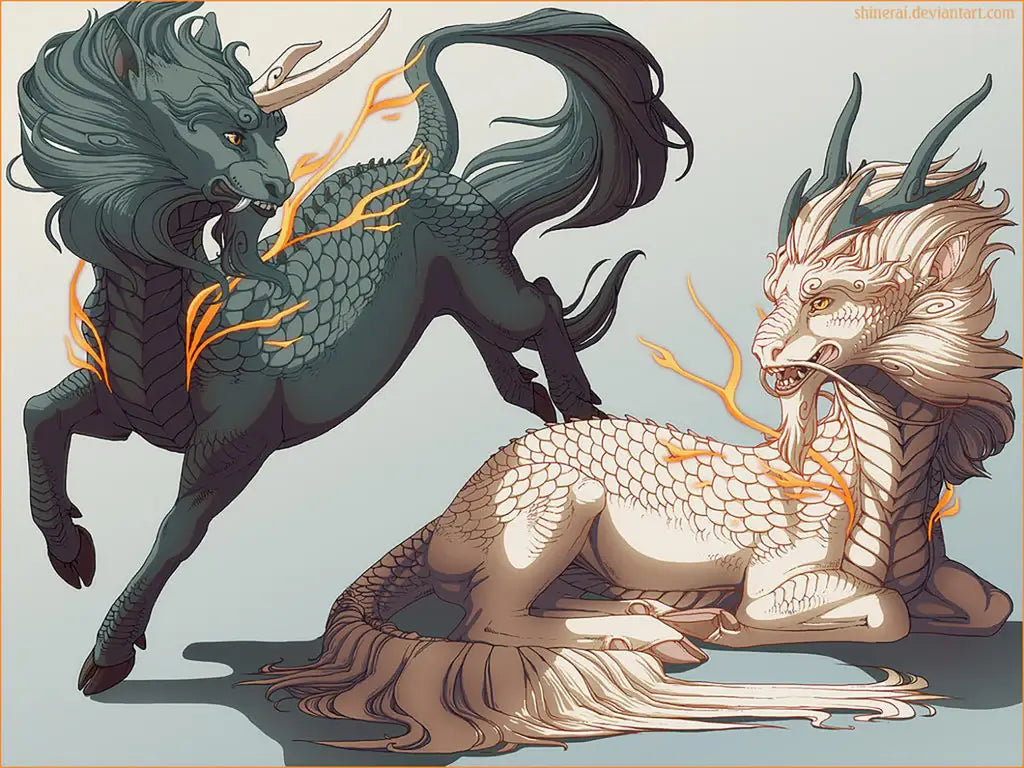
Source: Shinerai, Deviantart, https://www.deviantart.com/shinerai/art/Commission-Diferent6-461077051
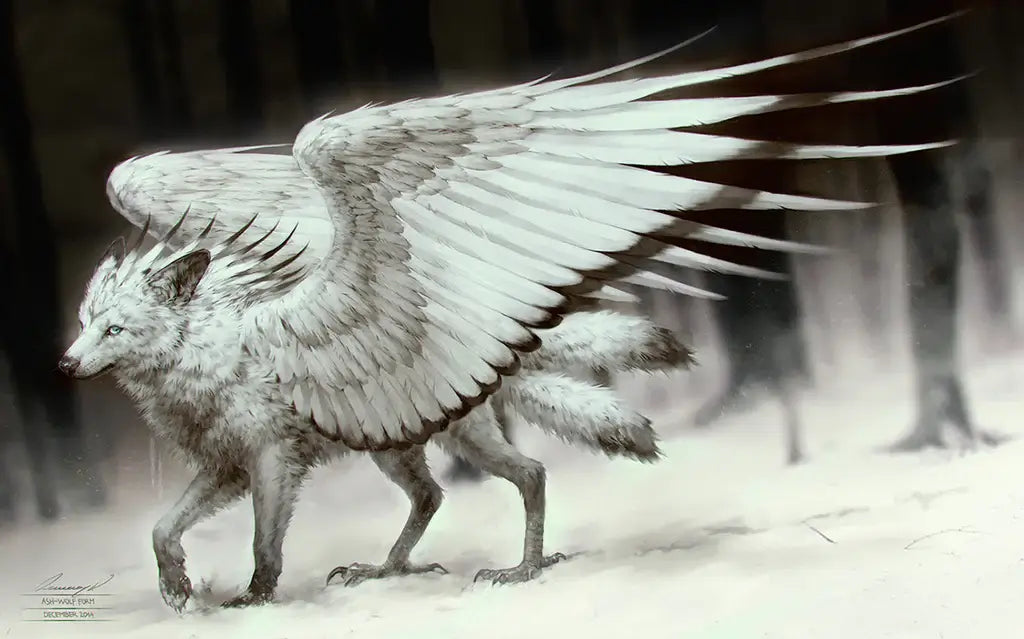
Source: Valentina-Remenar, Spread My Wings, Deviantart, https://www.deviantart.com/valentina-remenar/art/Spread-My-Wings-524660672
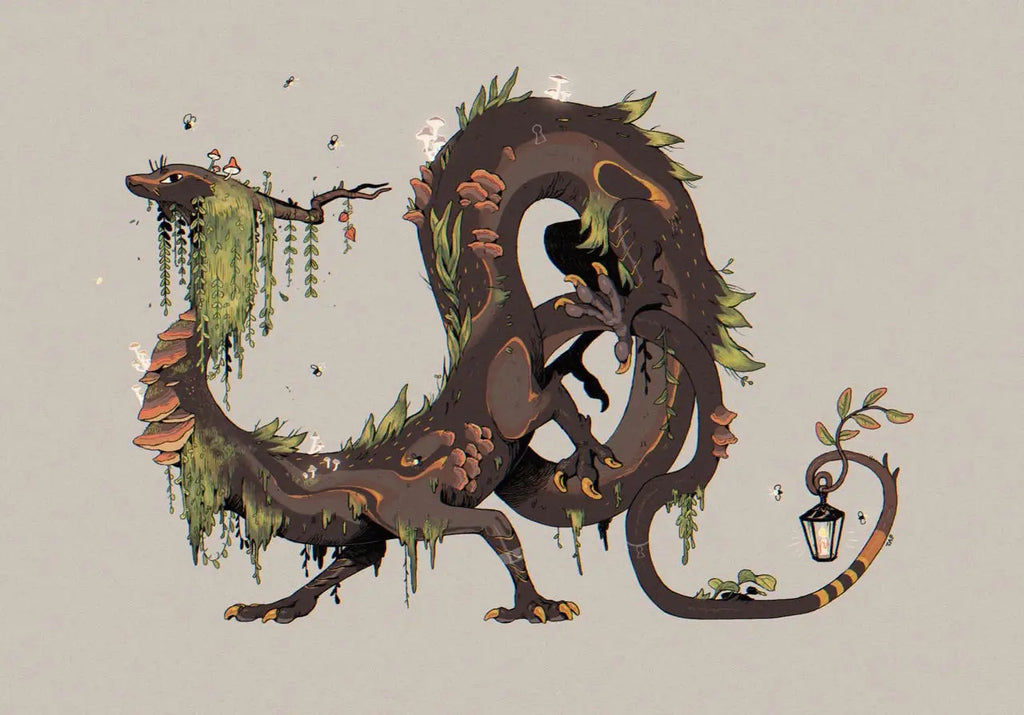
Source: ClaraScintilla, Swamp Lady, Deviantart, https://www.deviantart.com/clarascintilla/art/Swamp-Lady-CLOSED-896754269
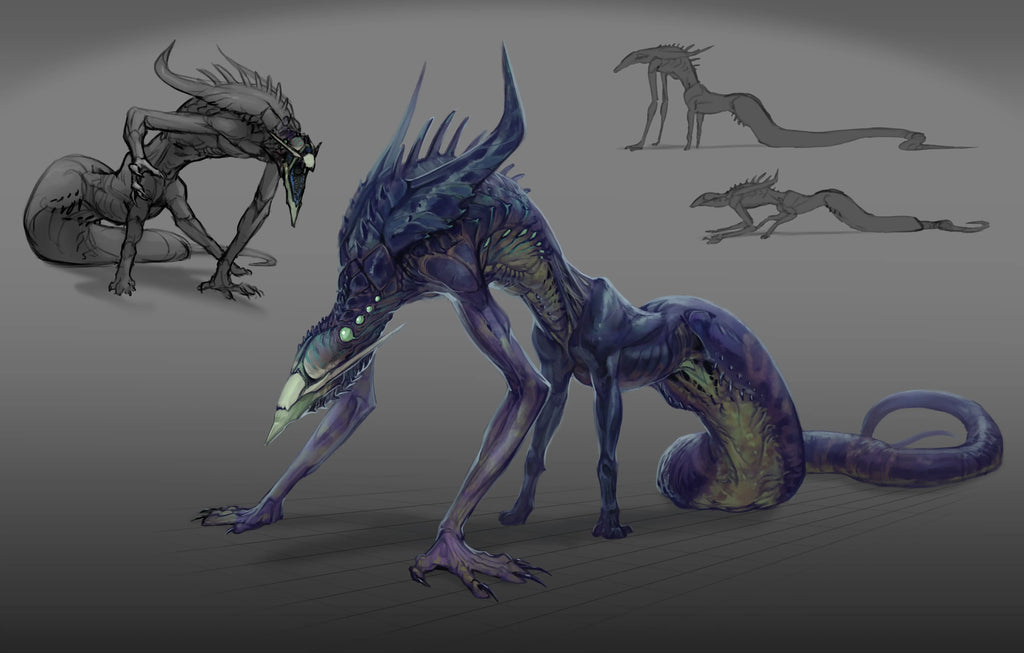
Source: Remarin, Long Limbs, Deviantart, https://www.deviantart.com/remarin/art/Monstober-Day5-Long-Limbs-857153611
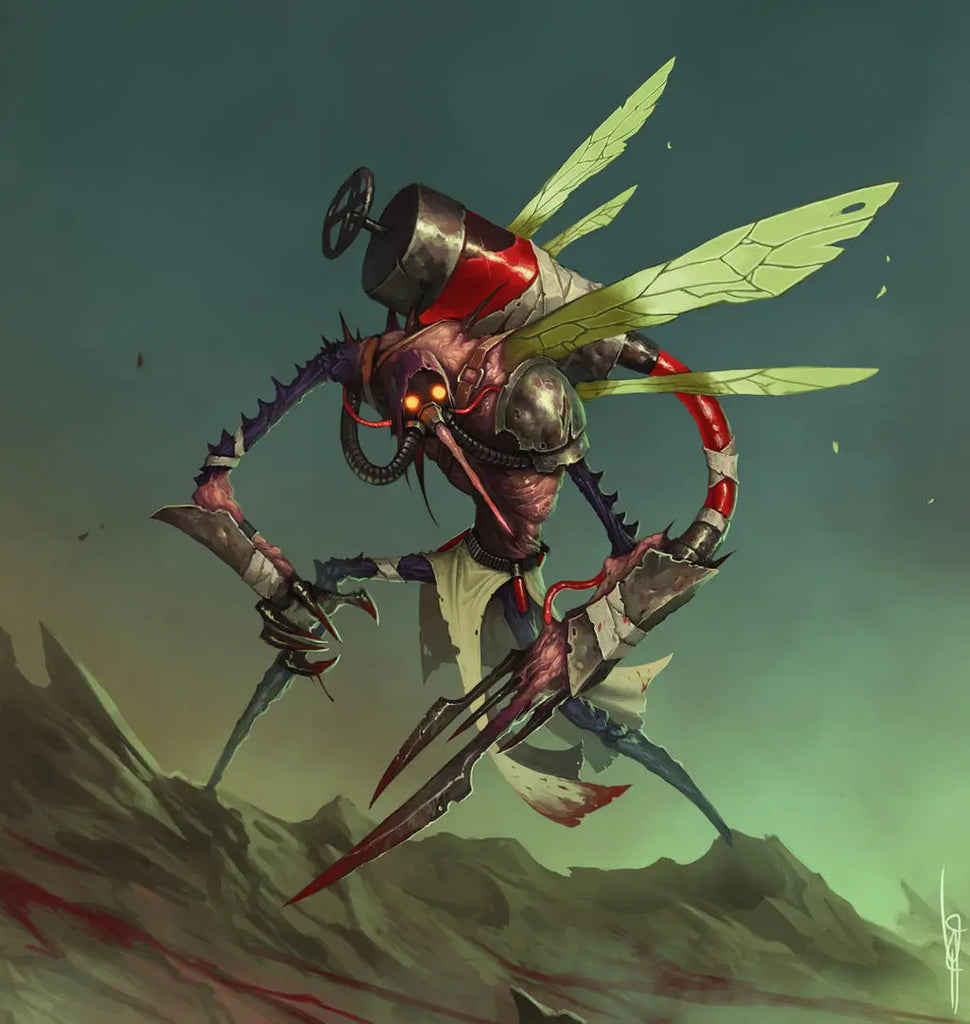
Source: Morkardfc, Mosquito Specialist, Deviantart, https://www.deviantart.com/morkardfc/art/Mosquito-Specialist-760011830
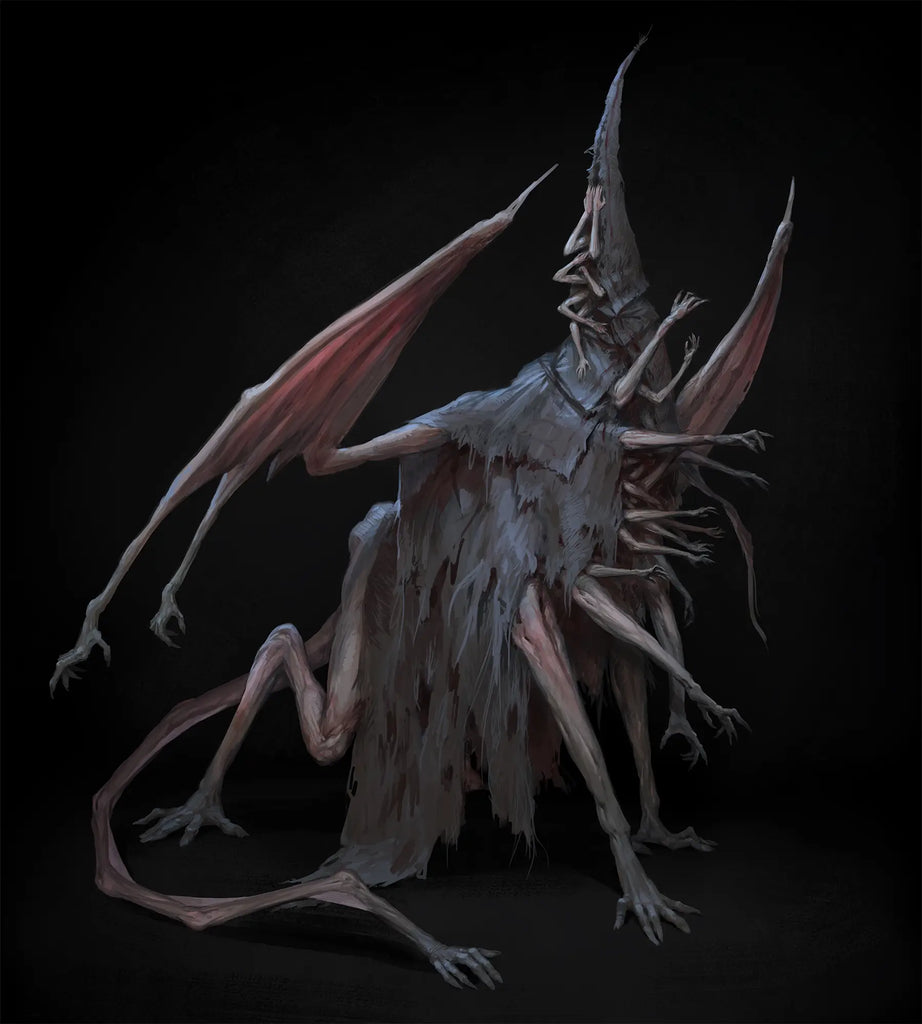
Source: Deniszhbankov, Soul Catcher, Deviantart, https://www.deviantart.com/deniszhbankov/art/Soul-catcher-832628348
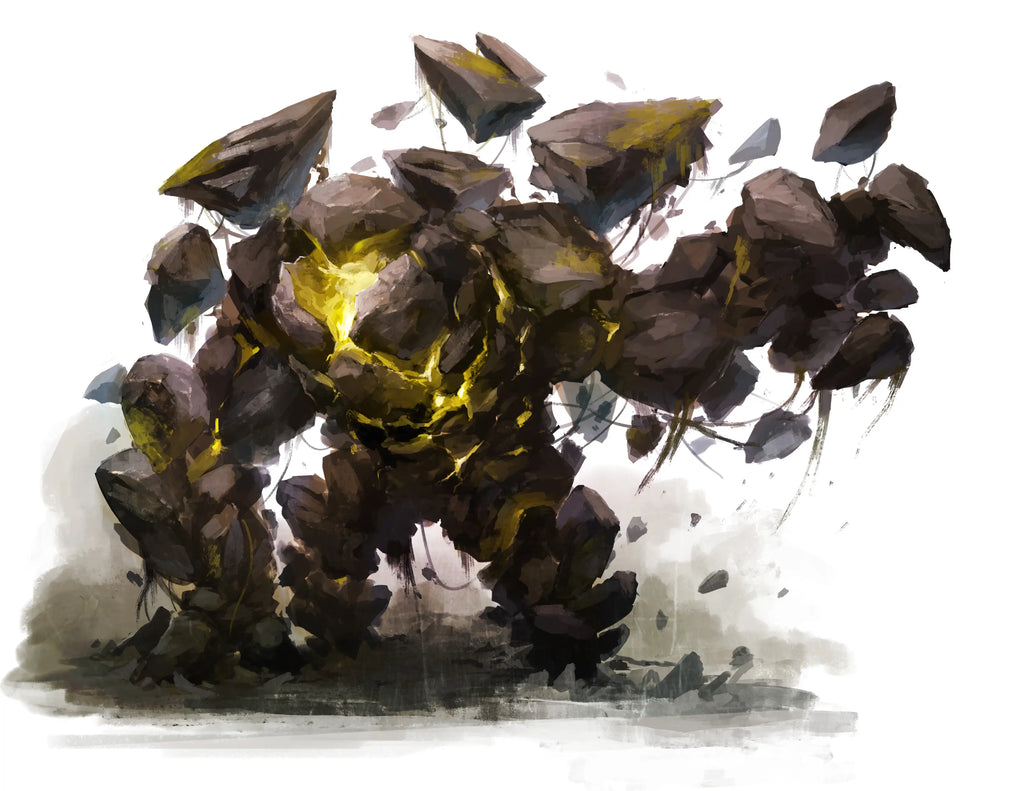
Source: Christopheronciu, Earth Elemental Design, Deviantart, https://www.deviantart.com/christopheronciu/art/Earth-Elemental-Design-455625808
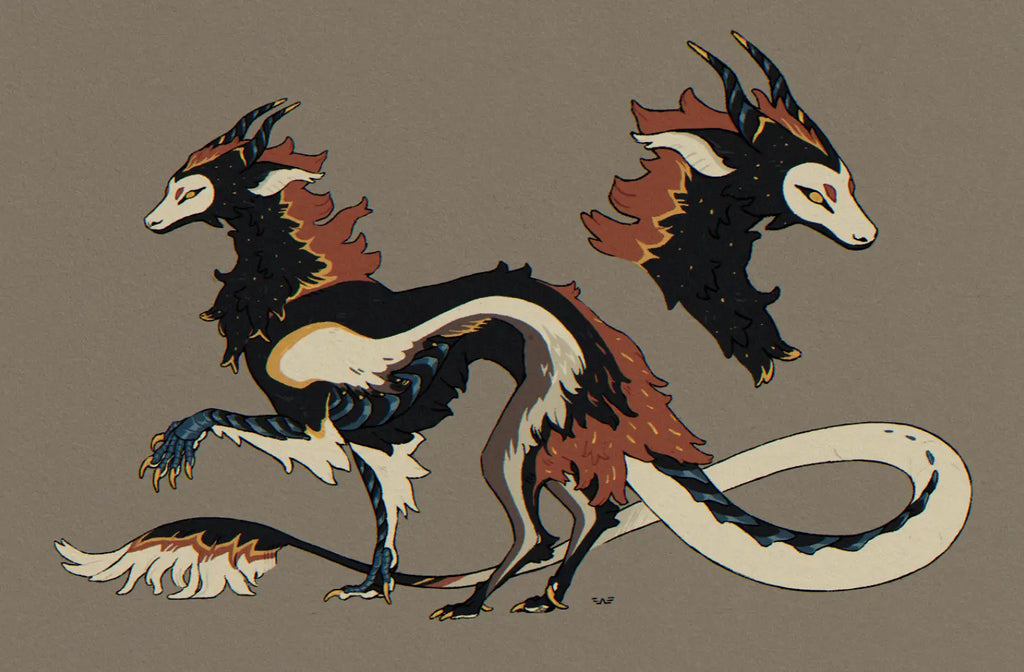
Source: ClaraScintilla, Dragon Adopt 3, Deviantart, https://www.deviantart.com/clarascintilla/art/COLLAB-Dragon-adopt-3-CLOSED-872134354
What Styles Work Best For Creature Character Design?
Finding the right style for a creature character design is less about following trends and more about choosing a visual language that amplifies the creature’s personality. The beauty of creature character design is that it can stretch across multiple styles, each offering a different emotional impact and storytelling potential. If you want your work to feel fresh and intentional, these five styles are worth exploring:
Stylized Cartoon Approach
This style leans into exaggerated shapes, bold outlines, and simplified anatomy. A stylized cartoon creature character design often feels playful, expressive, and highly readable. Think oversized eyes, elastic limbs, and strong silhouettes that pop even at a glance. It’s perfect for animation, games, or anything that needs instant charm and clarity.
Semi-Realistic Hybrid Style
Blending realism with imagination creates a balanced creature character design that feels believable but still fantastical. You might borrow muscle structure, skin textures, or lighting from real animals while adding unexpected features like extra limbs or glowing elements. This style works well when you want your creatures to feel grounded in reality without losing their magic.
Dark Fantasy And Horror Style
If your goal is to create something unsettling or intense, dark fantasy is a powerful direction. This creature character design style focuses on distortion, eerie textures, and dramatic lighting. Elongated forms, sharp edges, and asymmetry can make your creature feel unpredictable and haunting, perfect for storytelling that leans into mystery or fear.
Minimalist And Graphic Style
Sometimes less detail creates more impact. A minimalist creature character design strips the form down to essential shapes, using flat colors, clean lines, and strong negative space. This approach is great for logos, icons, or modern branding where clarity and bold visual identity matter more than intricate detail.
Experimental And Abstract Style
For designers who love pushing boundaries, experimental styles open endless possibilities. This type of creature character design might ignore traditional anatomy altogether, using unusual materials, fragmented forms, or surreal compositions. You can build creatures out of smoke, glass, or geometric shapes, letting imagination lead instead of logic.
What Unusual Color Combinations Work In Creature Character Design?
Color can completely transform how a creature character design is perceived. While safe palettes are easy to rely on, unusual color combinations are where things get exciting, unpredictable, and memorable. When done right, these bold choices can give your creature character design a unique personality that instantly grabs attention. If you are ready to move beyond the obvious, here are five unexpected color directions worth exploring:
Neon And Earth Tone Fusion
Mixing vibrant neon shades with muted earth tones creates a striking contrast that feels both natural and futuristic. Imagine a moss-covered creature glowing with electric pink veins or subtle green skin paired with neon blue highlights. This combination makes your creature character design feel alive, as if it belongs to a world where nature and energy collide.
Pastel Meets Deep Shadow
Soft pastel colors combined with rich, dark tones can produce a mysterious yet gentle vibe. A creature character design with pale lavender or mint tones layered over deep charcoal or navy shadows feels dreamy but slightly eerie. This approach works beautifully when you want a creature to appear calm at first glance but reveal hidden depth upon closer inspection.
Warm And Cold Clash
Instead of blending colors smoothly, try placing warm and cold tones side by side in sharp contrast. Fiery oranges and reds paired with icy blues or purples can create tension and energy within a creature character design. This method is great for creatures that represent duality, such as fire and ice, chaos and calm, or aggression and serenity.
Metallic With Organic Hues
Combining metallic shades like gold, chrome, or copper with organic colors such as greens, browns, and skin tones creates a layered, tactile feel. A creature character design using this palette might look partially mechanical yet still connected to nature. The shine of metal against soft organic tones adds visual richness and depth.
Monochrome With A Single Accent Pop
Limiting your palette to mostly one color range, then adding one unexpected accent, can make your creature character design instantly recognizable. For example, a grayscale creature with a single bright yellow eye or a fully blue design with a sharp red detail creates a focal point that draws the viewer in without overwhelming them.
What Interactive Elements Can Influence Creature Character Design?
A strong creature character design is no longer just about how it looks—it is about how it behaves, reacts, and engages. Interactive elements bring creatures to life by adding layers of responsiveness that make them feel present rather than static. Whether you are designing for games, animation, or immersive media, thinking about interaction early can shape a far more dynamic creature character design. Here are five creative directions to explore:
Responsive Movement And Gesture
One of the most powerful interactive elements in creature character design is how the creature moves in response to stimuli. A creature that flinches when approached, stretches when relaxed, or shifts posture based on mood instantly feels alive. Designing flexible joints, exaggerated motion arcs, or reactive body language can turn even a simple creature into something captivating.
Environmental Interaction
Creatures that react to their surroundings create a deeper sense of immersion. Think of a creature character design that changes color in different lighting, grows patterns when near water, or blends into textures around it. These environmental responses not only enhance visual appeal but also suggest that the creature belongs to a living, breathing world.
User-Triggered Transformations
Interactive transformation adds surprise and engagement. A creature character design might evolve when clicked, reveal hidden features when touched, or shift forms over time. These changes can be subtle, like glowing markings, or dramatic, like unfolding wings or splitting into multiple forms, making the experience more memorable.
Sound And Feedback Integration
Sound can shape how a creature is perceived just as much as visuals. Designing a creature character design that reacts with unique vocalizations, hums, or ambient sounds when interacted with adds personality. Even silent reactions, like vibration or visual pulses synced to interaction, can create a satisfying feedback loop.
Emotion-Driven Reactions
Creatures that express emotion based on interaction feel more relatable. A creature character design might display curiosity when observed, fear when startled, or excitement when engaged repeatedly. These emotional cues can be shown through subtle shifts like color changes, eye movement, or body expansion, giving the creature a distinct personality.
What Surreal Ideas Can Inspire Creature Character Design?
Surrealism is where creature character design truly breaks free from logic and dives into the unexpected. Instead of asking what a creature should look like, surreal ideas explore what it could become when reality bends, stretches, or completely dissolves. This approach invites you to create designs that feel dreamlike, symbolic, and slightly unsettling—in the best way possible. If you want your creature character design to stand out with originality, these surreal directions can spark something extraordinary:
Dream Logic Transformations
In surreal thinking, forms are never fixed. A creature character design might shift between states—melting into liquid, growing extra limbs, or folding into itself like paper. These transformations do not need explanation; they simply follow dream logic. This creates creatures that feel alive in a constantly changing way, as if they exist in a world where rules are fluid.
Object-Creature Hybrids
Blending everyday objects with living forms is a powerful surreal technique. Imagine a creature character design made of clocks, mirrors, or floating furniture, where each part still behaves like a living organism. This unexpected fusion creates visual tension and curiosity, making viewers question what they are seeing.
Distorted Scale And Proportion
Surreal creatures often play with scale in unusual ways. Tiny heads on massive bodies, oversized hands, or endlessly long limbs can give your creature character design a strange but captivating presence. These distortions challenge normal perception and make the design feel intentionally off-balance.
Floating And Gravity-Free Concepts
Removing gravity opens up endless possibilities. A creature character design might float in pieces, hover slightly above the ground, or have elements that orbit around its body. This lack of physical constraint creates a sense of mystery, as if the creature exists in a space beyond our understanding.
Symbolic And Emotional Forms
Surrealism often draws from emotions and abstract ideas. A creature character design might represent fear through sharp, fragmented shapes or calmness through soft, flowing forms. Instead of focusing on realism, the design becomes a visual expression of a feeling or concept, giving it deeper meaning.
What Environmental Storytelling Fits Creature Character Design?
Great creature character design does not exist in isolation—it breathes through the environment it belongs to. Instead of explaining a creature with text, environmental storytelling lets the surroundings quietly reveal its habits, history, and personality. When done right, your creature character design feels like it belongs somewhere specific, as if it evolved naturally within that world. Here are five creative ways to use environment as a storytelling tool:
Habitat-Driven Features
Start by letting the environment shape the creature itself. A desert-based creature character design might develop cracked textures, sand-toned camouflage, or heat-resistant features, while a deep-sea creature could glow softly or have fluid, drifting forms. The habitat becomes a blueprint, guiding every design decision so the creature feels perfectly adapted rather than randomly imagined.
Traces And Leftovers
Sometimes what a creature leaves behind tells more than the creature itself. Footprints, scratched surfaces, shed skin, or glowing residue can hint at behavior and movement patterns. Designing these subtle details around your creature character design builds curiosity, allowing viewers to piece together its story without ever seeing it in full action.
Environmental Interaction Marks
A creature that changes its surroundings leaves a visual signature. Think of twisted trees, melted rocks, or frozen patches that reveal the creature’s presence. These marks suggest power, habits, or even emotional states. A creature character design that affects its environment feels influential and alive, adding depth to the overall concept.
Blending And Camouflage
Creatures that visually merge with their environment create a sense of mystery. A forest creature character design might mimic bark patterns or leaf shapes, while an urban creature could resemble metal, wires, or concrete textures. This blending not only enhances realism but also encourages viewers to search for hidden details within the scene.
Mini Ecosystems Around The Creature
Designing small ecosystems that revolve around the creature adds another storytelling layer. Tiny plants growing on its body, symbiotic creatures living alongside it, or environmental elements reacting to its presence can all enrich the concept. A creature character design surrounded by its own ecosystem feels like a central part of a larger living system.
Conclusion
A strong creature character design comes from curiosity, experimentation, and a willingness to move beyond predictable ideas. By exploring styles, unusual color choices, interactive elements, environmental storytelling, and surreal concepts, you can build creatures that feel distinctive and full of life. Each decision, from shape to behavior, adds meaning and depth to your work. The key is to stay flexible and let your ideas evolve naturally during the process. When approached thoughtfully, creature character design becomes more than visual creation—it turns into a storytelling tool that leaves a lasting impression on any audience.
Let Us Know What You Think!
Every information you read here are written and curated by Kreafolk's team, carefully pieced together with our creative community in mind. Did you enjoy our contents? Leave a comment below and share your thoughts. Cheers to more creative articles and inspirations!
Related Articles


Leave a Comment