
30 Best Abstract Painting Ideas You Should Check
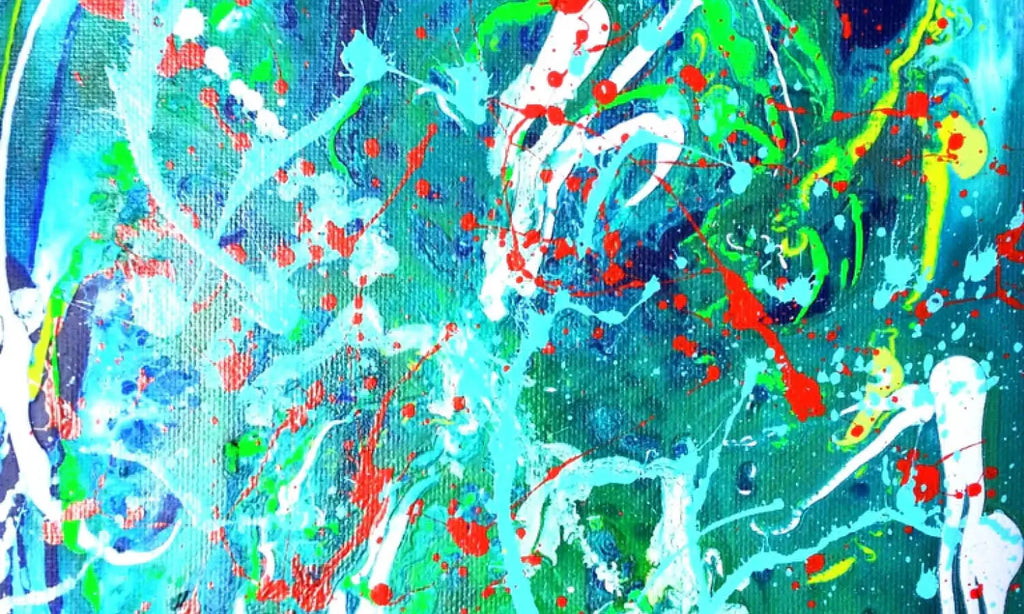
Source: Rambleonrob, Don't Drink The Water, Deviantart, https://www.deviantart.com/rambleonrob/art/Dont-Drink-The-Water-476403042
There is something electric about abstract painting—it feels less like following instructions and more like chasing a mood. Instead of copying what the eye sees, you get to translate energy, rhythm, and instinct into visual form. That freedom is exactly what makes abstract painting such a playground for designers and artists who want to break habits and create something that feels genuinely personal.
In this article, you will move through a curated mix of abstract painting directions that feel fresh, experimental, and visually striking. Think layered textures that build depth, unexpected color pairings that challenge harmony, and compositions that lean into imbalance rather than perfection. Each idea pushes you to rethink how a canvas can behave—sometimes calm and minimal, other times loud and chaotic.
If your creative process has started to feel predictable, these abstract painting ideas are a great reset. They encourage risk, spontaneity, and a willingness to let go of control. Whether you are refining your style or just looking to create something that stands out, this is your invitation to approach abstract painting with a new perspective.
Abstract Painting Ideas
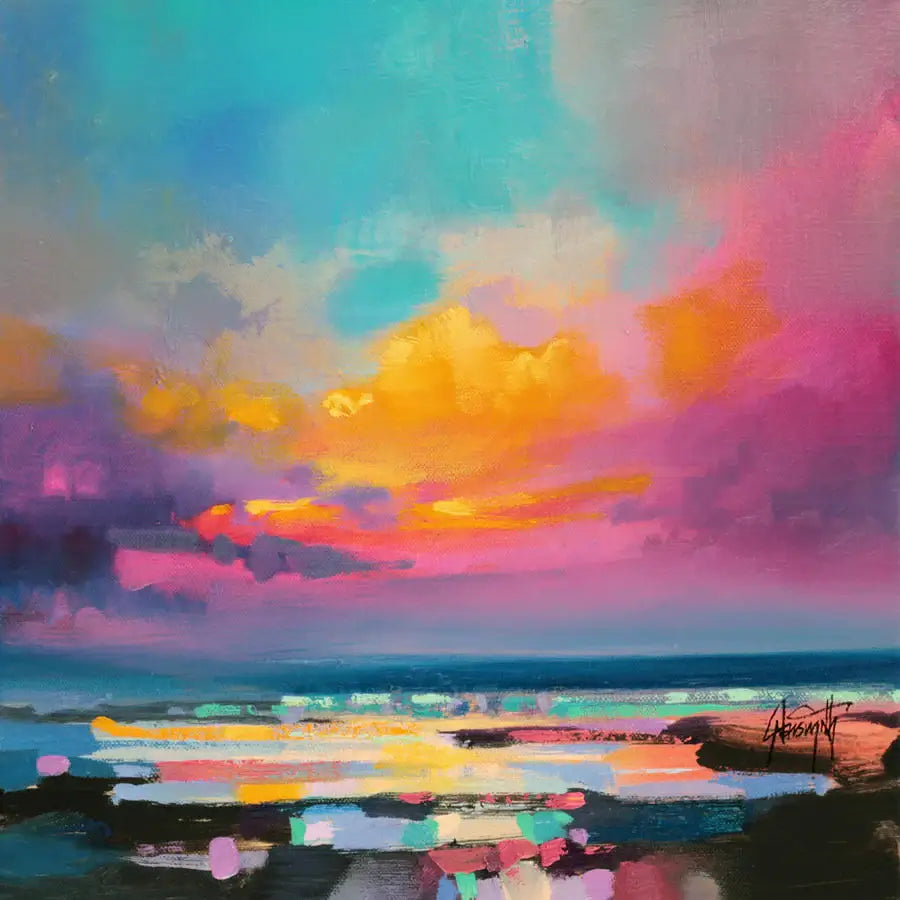
Source: Naismithart, Diminuendo Sky Study, Deviantart, https://www.deviantart.com/naismithart/art/Diminuendo-Sky-Study-2-480198551
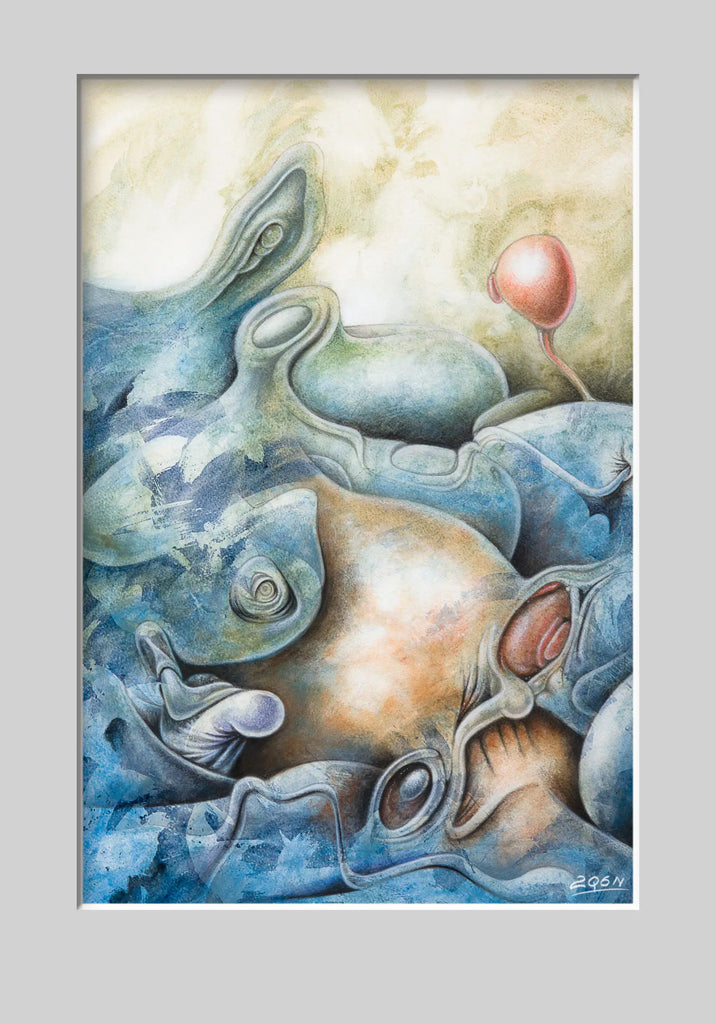
Source: Stéphan Swolfs, 2Q6N-8, Behance, https://www.behance.net/gallery/195188593/2Q6N-8
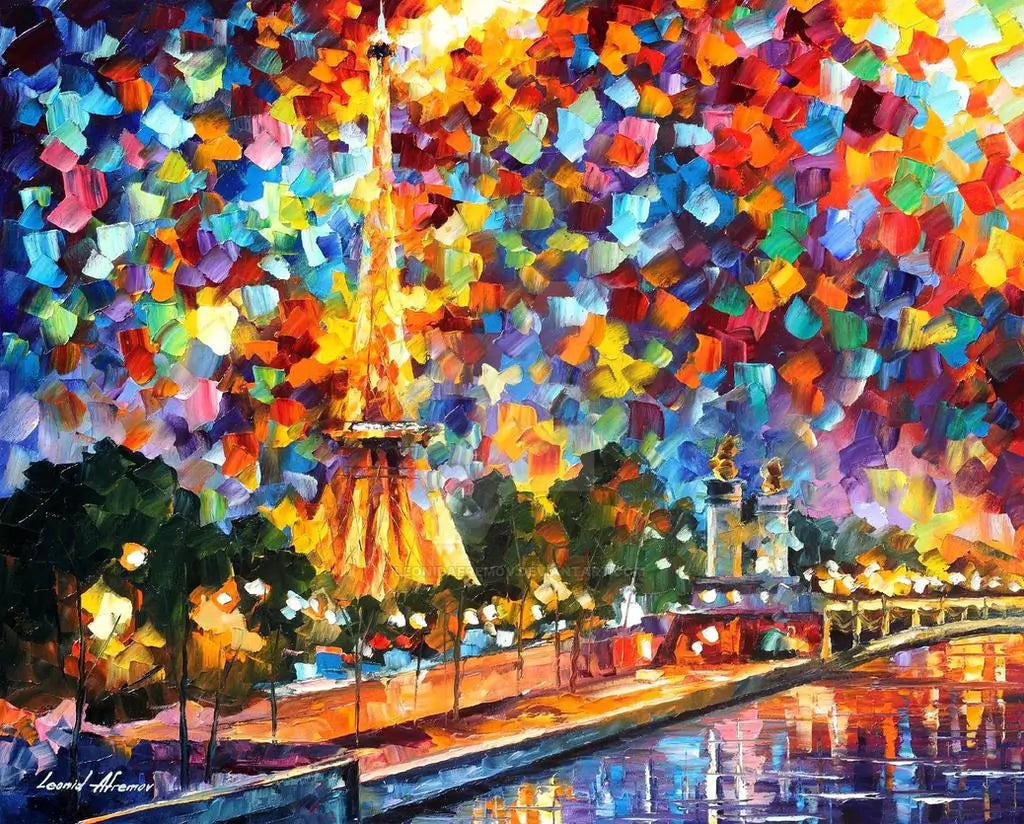
Source: Leonidafremov, Mysterious Night in Paris, Deviantart, https://www.deviantart.com/leonidafremov/art/Mysterious-night-in-Paris-by-Leonid-Afremov-525456775
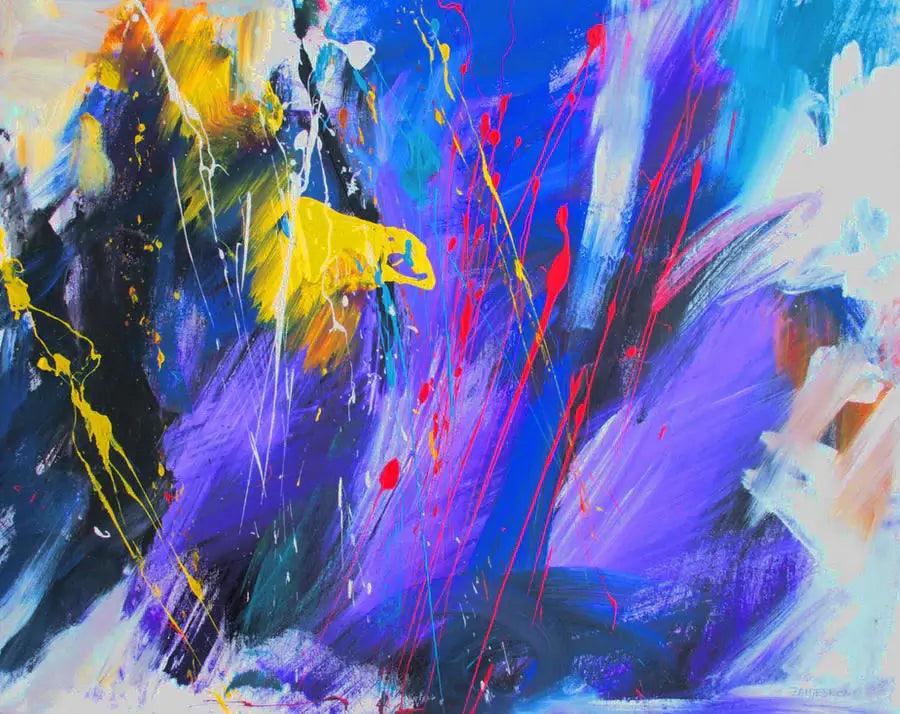
Source: Zampedroni, Free Space, Deviantart, https://www.deviantart.com/zampedroni/art/Free-Space-152272984
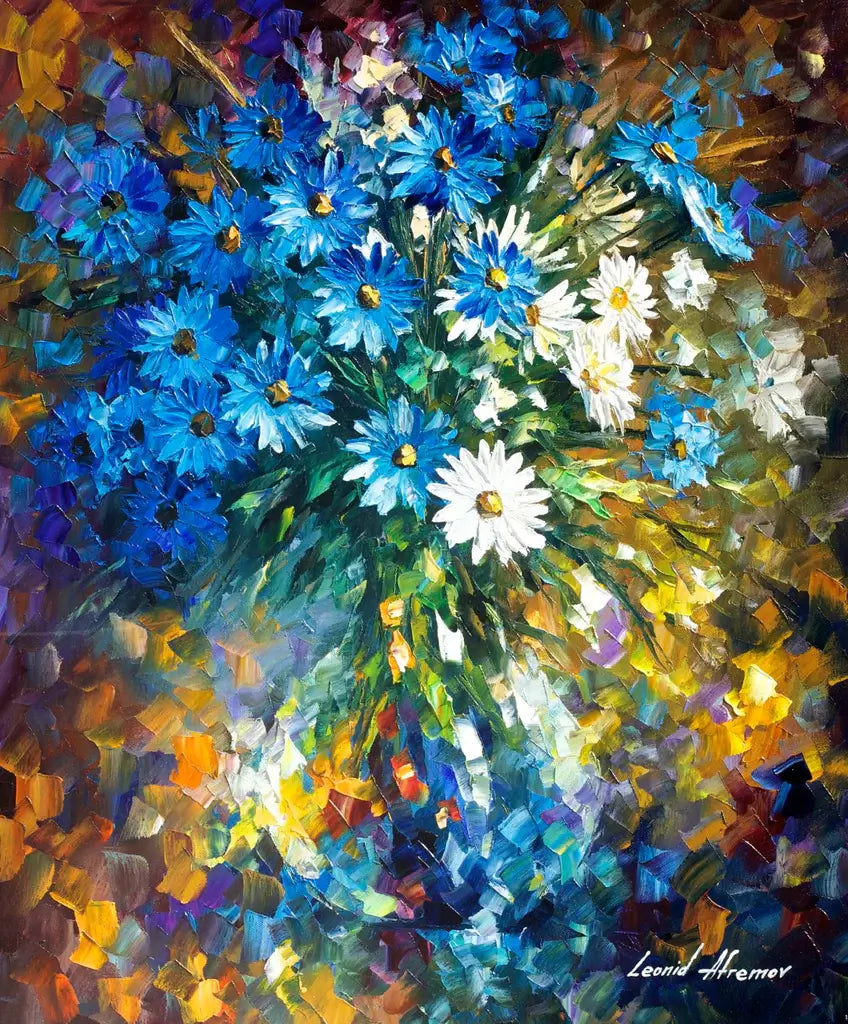
Source: Leonidafremov, Bouquet of Happiness, Deviantart, https://www.deviantart.com/leonidafremov/art/Bouquet-of-happiness-by-Leonid-Afremov-492542195
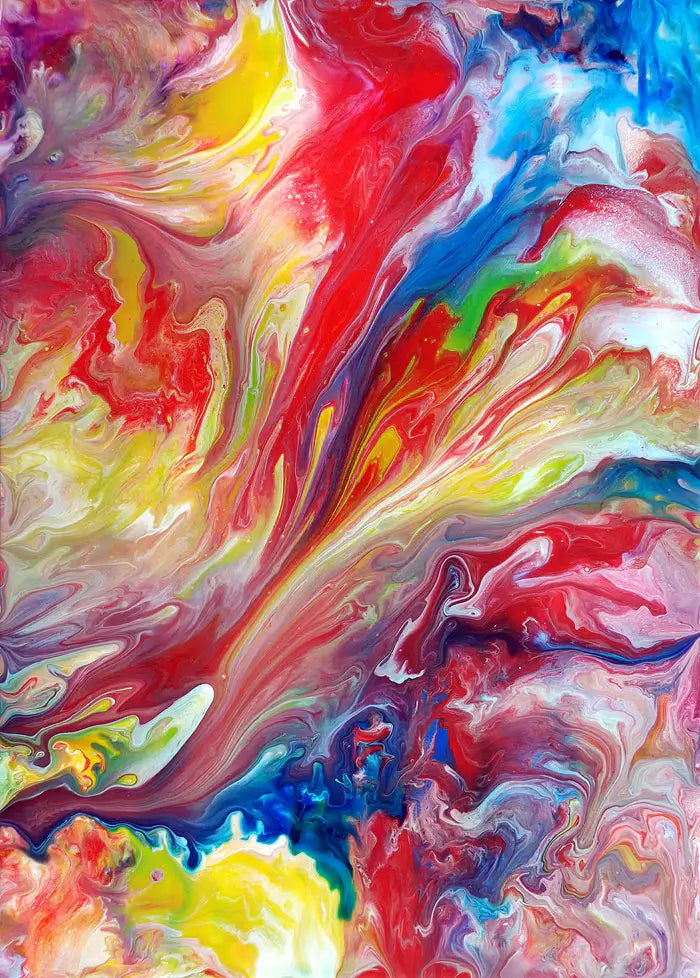
Source: Mark-Chadwick, Abstract Fluid Painting 54, Deviantart, https://www.deviantart.com/mark-chadwick/art/Abstract-Fluid-Painting-54-271826329
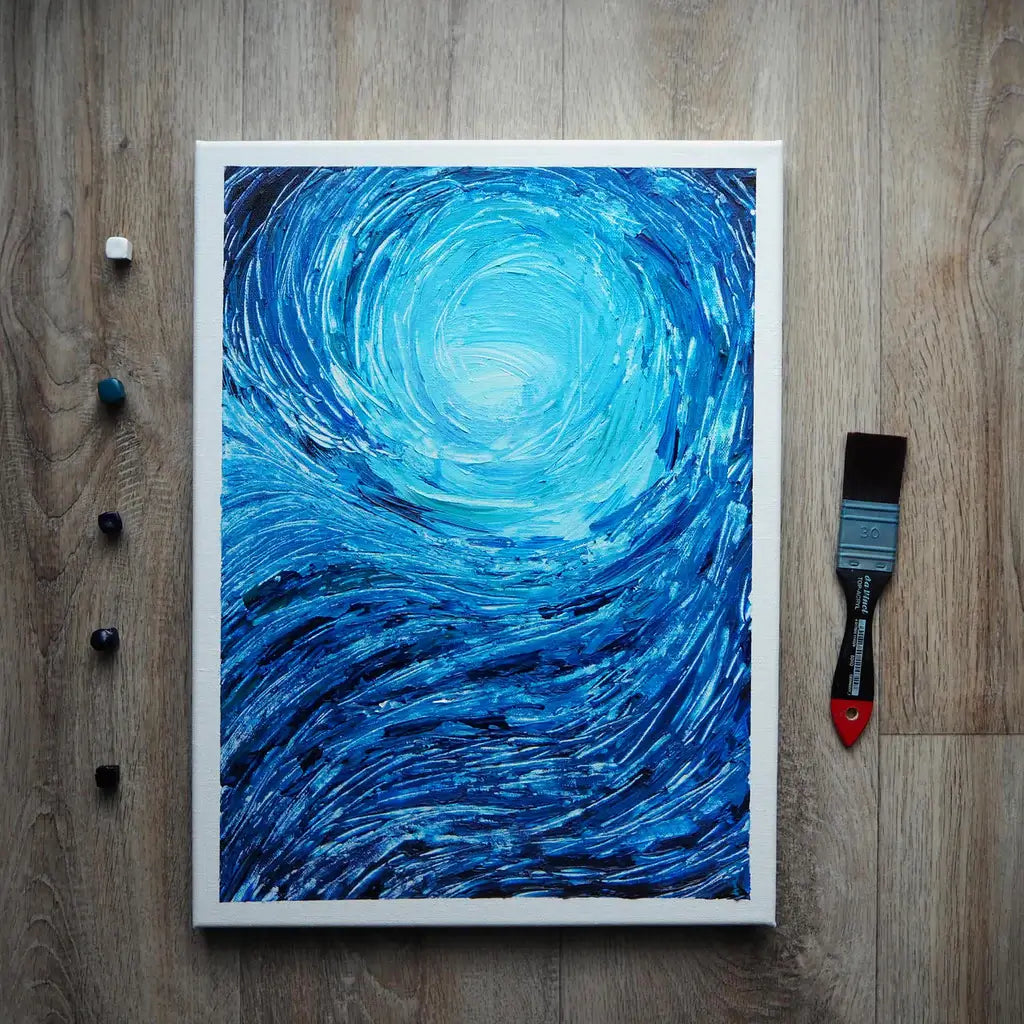
Source: Midorikaichan, Twister, Deviantart, https://www.deviantart.com/midorikaichan/art/Twister-913620990
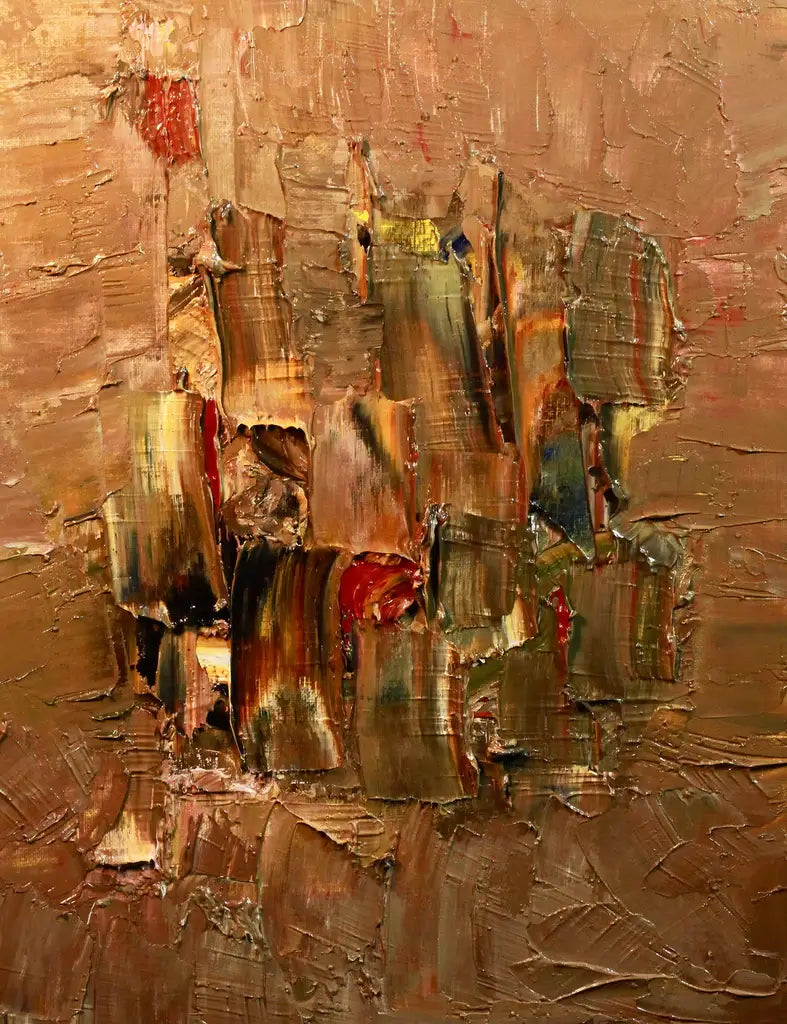
Source: Delumine, Crust, Deviantart, https://www.deviantart.com/delumine/art/Crust-510742603
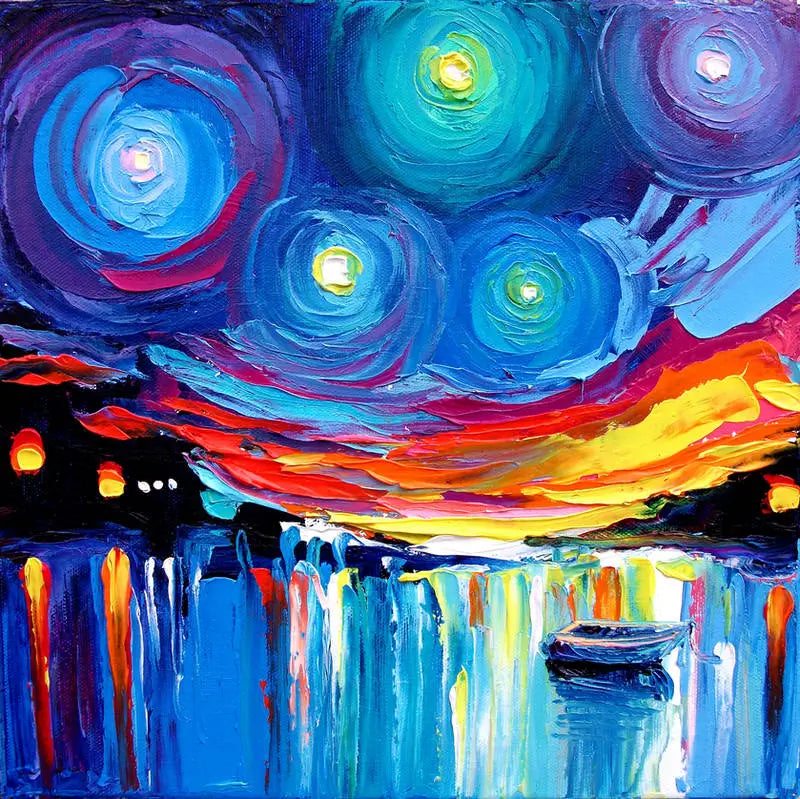
Source: Sagittariusgallery, Midnight Harbor XXVII, Deviantart, https://www.deviantart.com/sagittariusgallery/art/Midnight-Harbor-XXVII-204126140
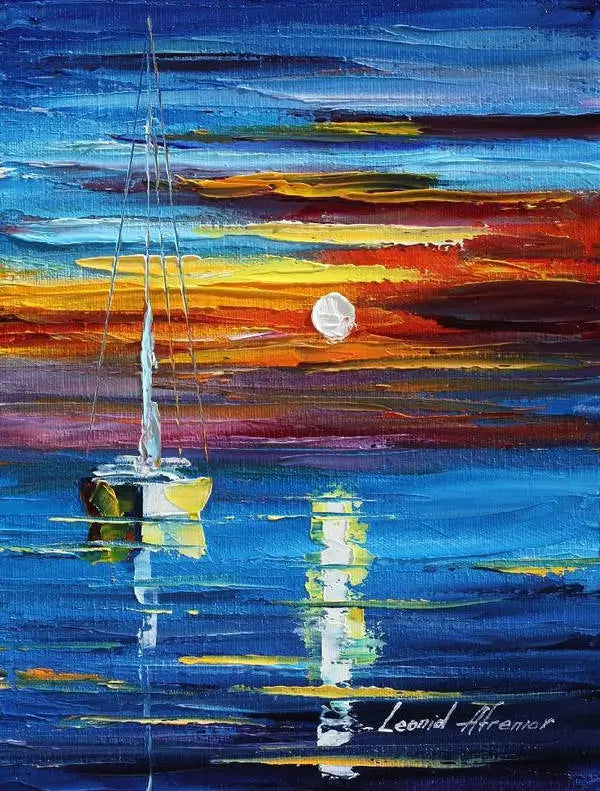
Source: Leonidafremov, Sea and Sky, Deviantart, https://www.deviantart.com/leonidafremov/art/Sea-and-sky-by-Leonid-Afremov-557631469
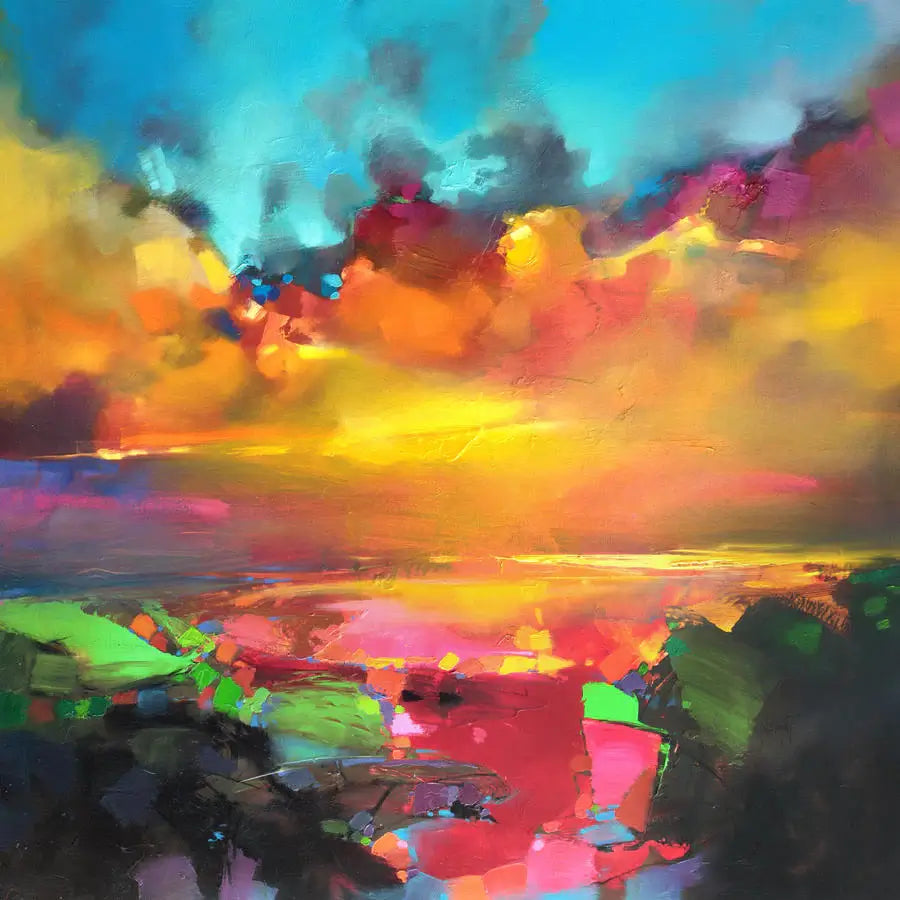
Source: Naismithart, Consonance And Dissonance, Deviantart, https://www.deviantart.com/naismithart/art/Consonance-And-Dissonance-414761846
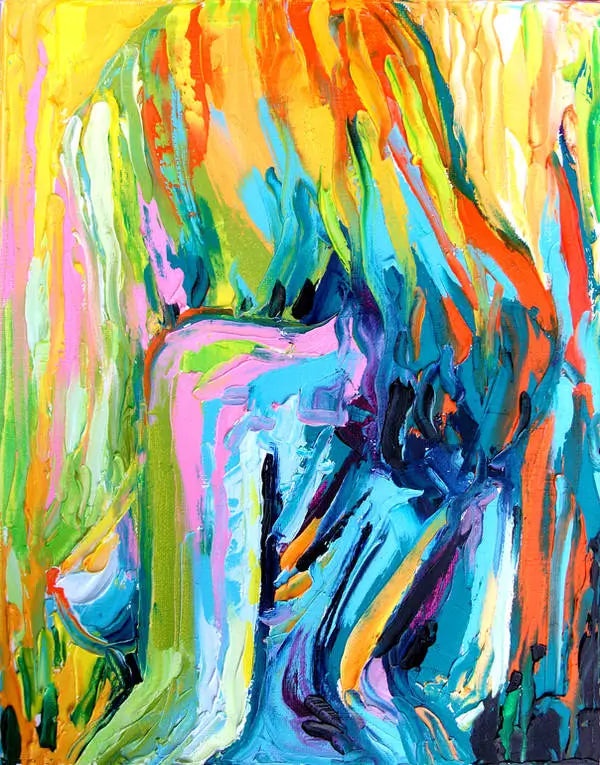
Source: Sagittariusgallery, Femme 326, Deviantart, https://www.deviantart.com/sagittariusgallery/art/Femme-326-399813124
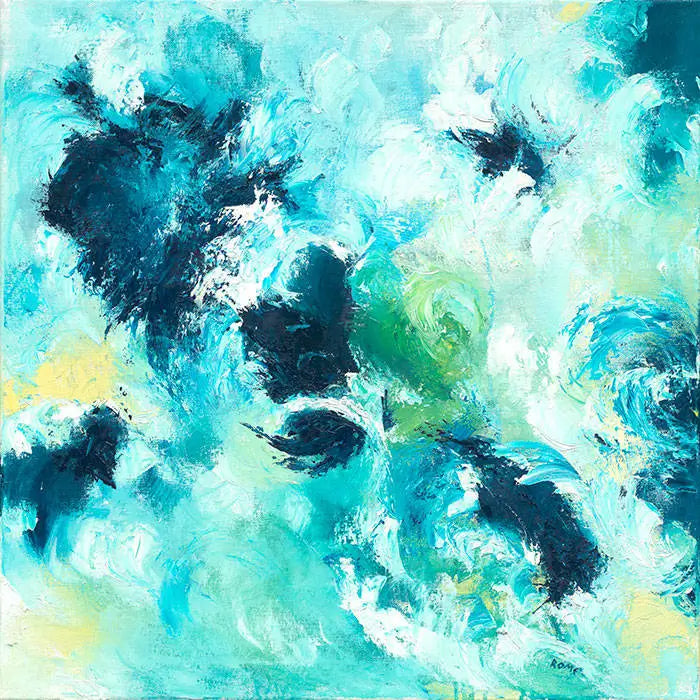
Source: Cogwurx, Emerging, Deviantart, https://www.deviantart.com/cogwurx/art/Emerging-620820025
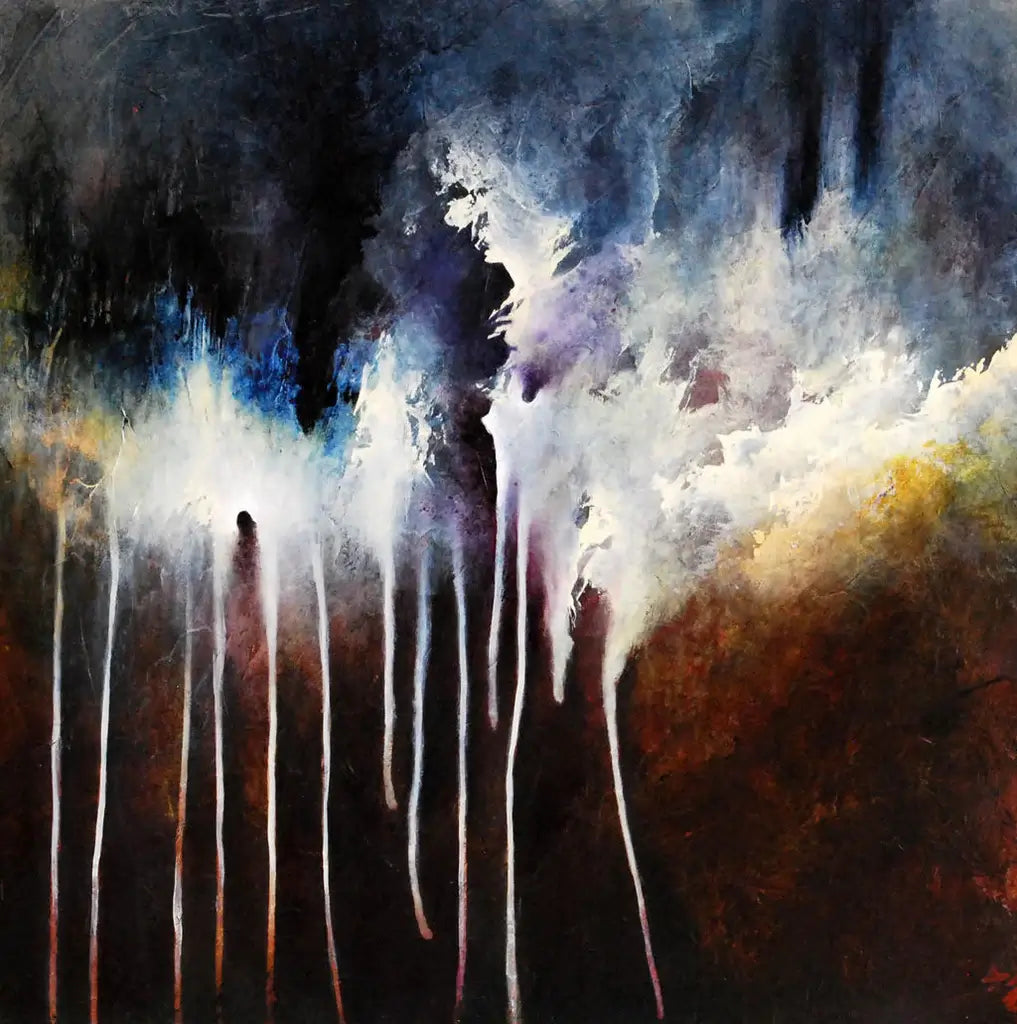
Source: Lucid-Dion, Weeping Sky, Deviantart, https://www.deviantart.com/lucid-dion/art/Weeping-Sky-529735404
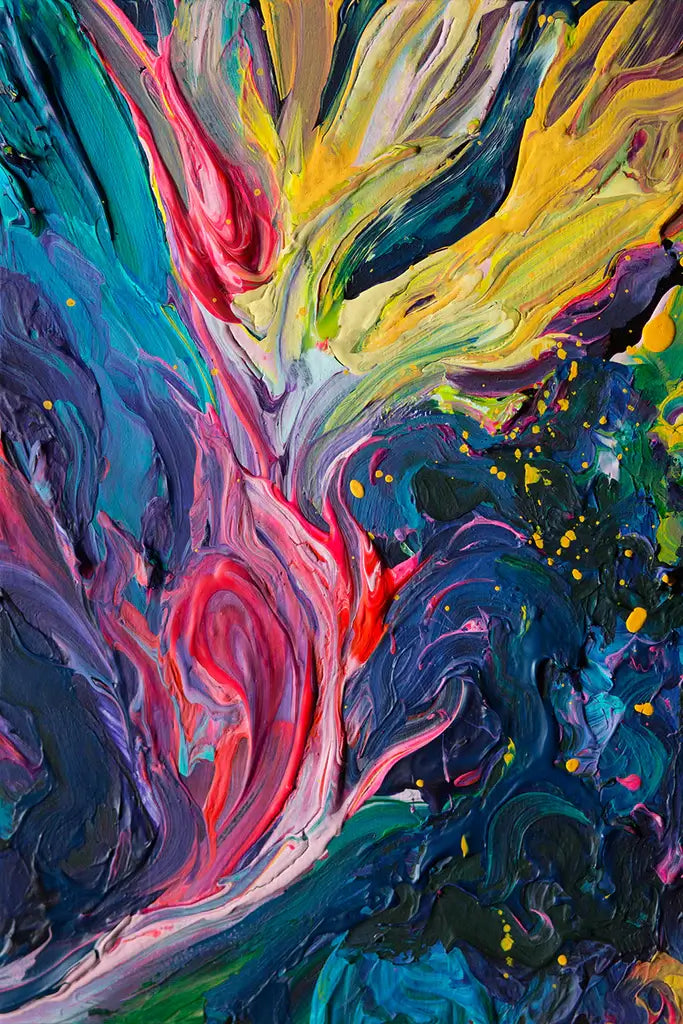
Source: Evagamayun, Bird Flower, Deviantart, https://www.deviantart.com/evagamayun/art/Bird-Flower-499470615
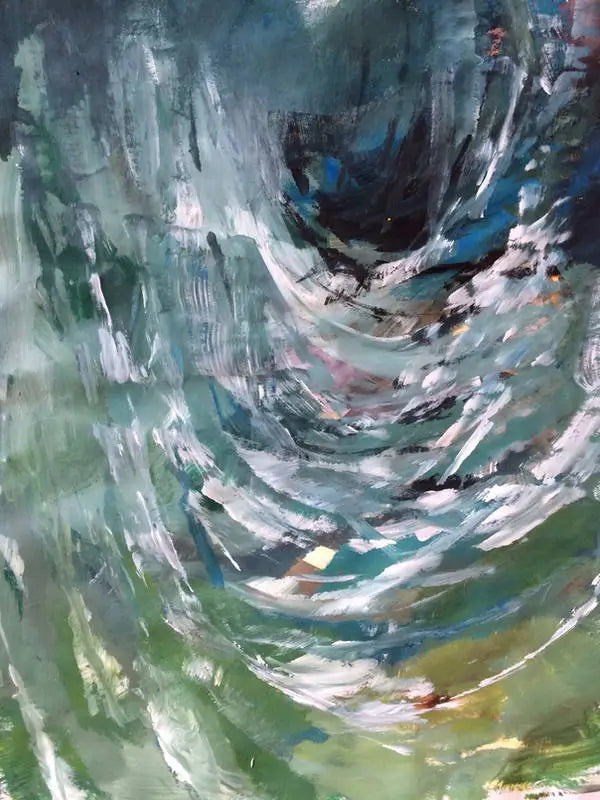
Source: Svartz, Tempus 4/4, Deviantart, https://www.deviantart.com/svartz/art/Tempus-4-4-468191416
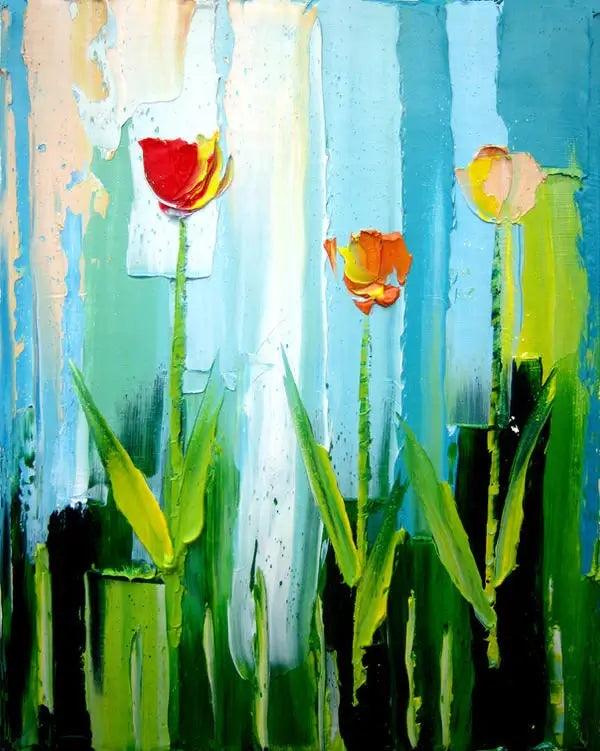
Source: Sagittariusgallery, Stories From A Field Act V, Deviantart, https://www.deviantart.com/sagittariusgallery/art/Stories-From-A-Field-Act-V-105506147
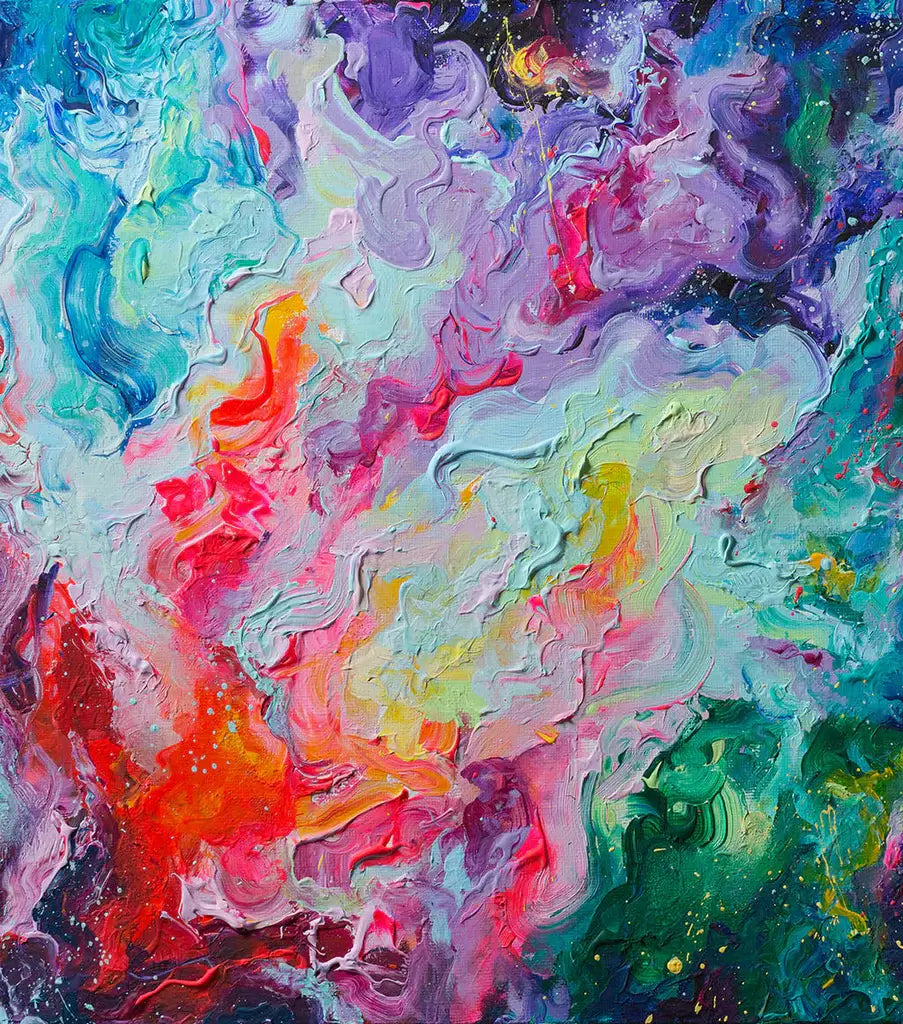
Source: Evagamayun, Elements, Deviantart, https://www.deviantart.com/evagamayun/art/Elements-511883038
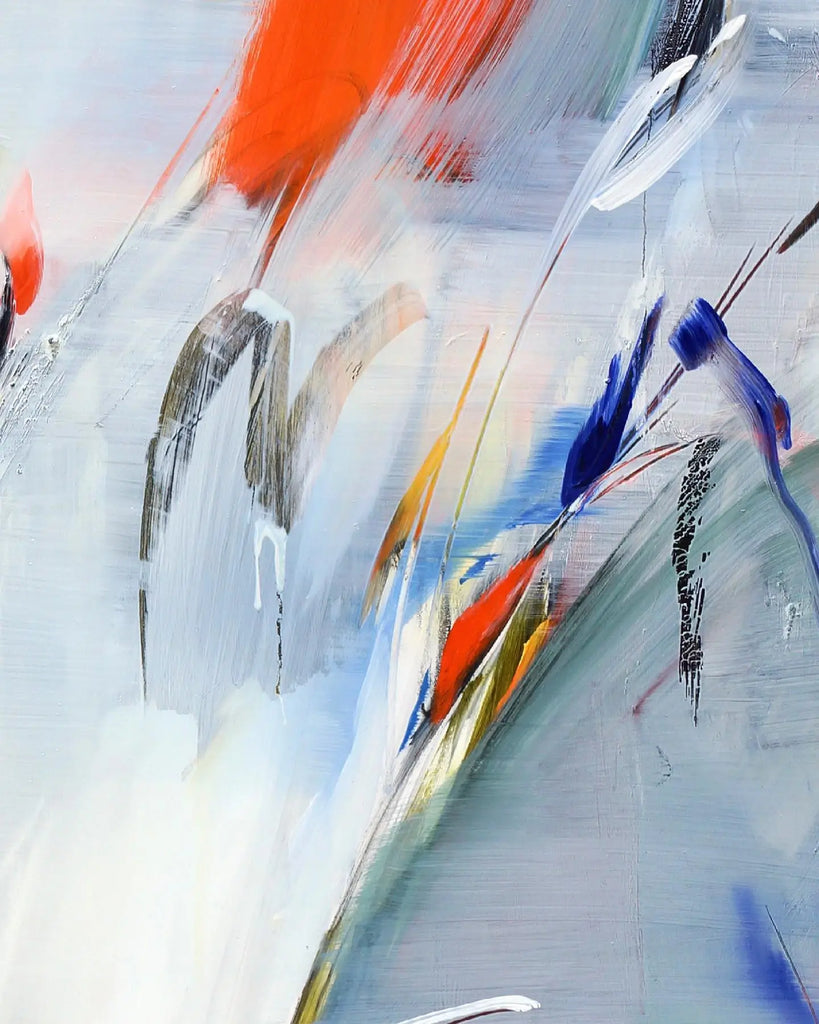
Source: Hannah Shin, Instagram, https://www.instagram.com/p/COPLBlQl5N5/
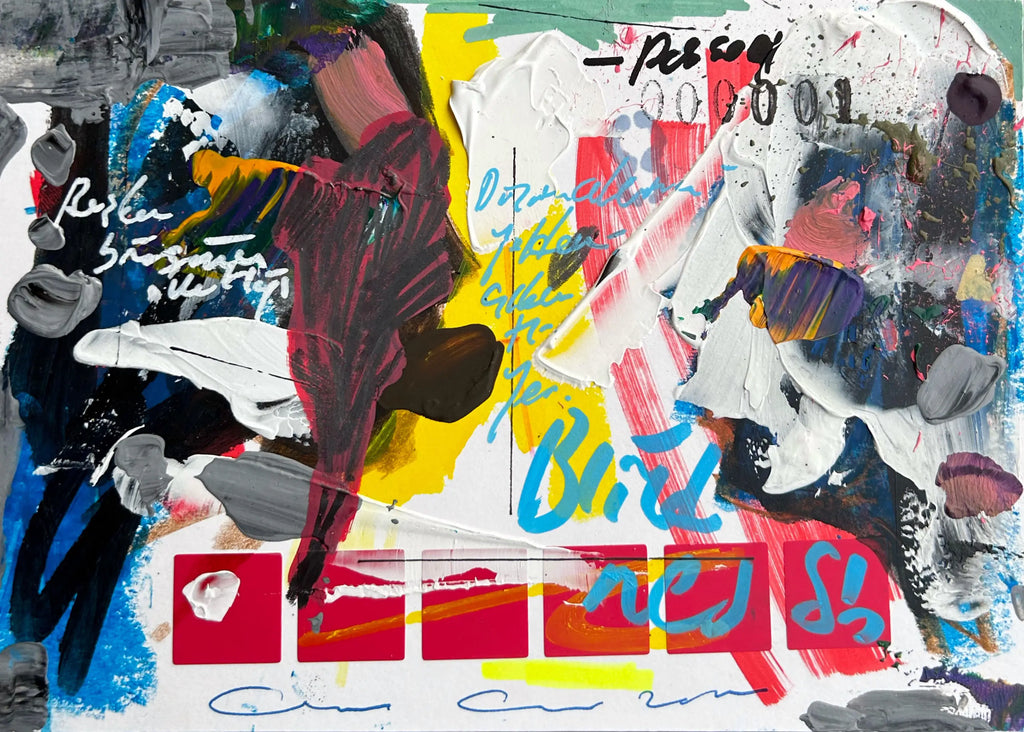
Source: Cihan Celik Artworks, The Book Of Disquiet, Behance, https://www.behance.net/gallery/209977329/THE-BOOK-OF-DISQUIET-PAINTING
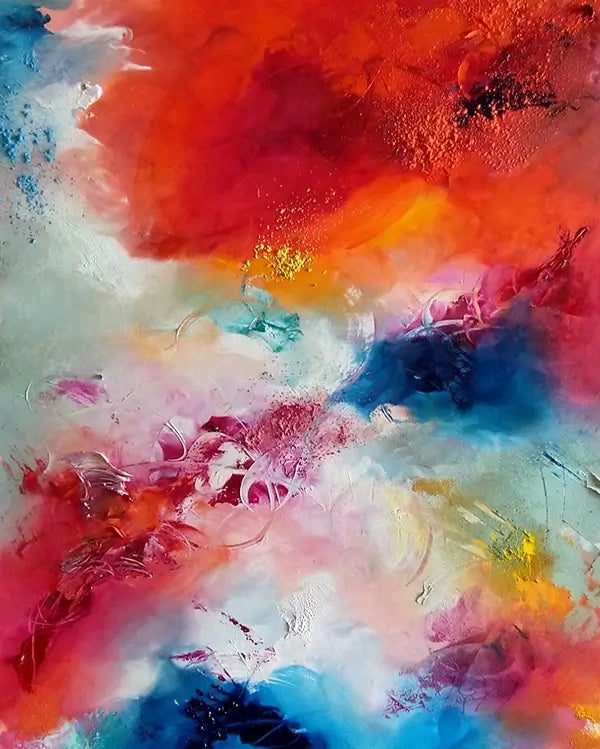
Source: Sara Quida Art, Cuanta Pasión, Behance, https://www.behance.net/gallery/207116071/Cuanta-Pasion
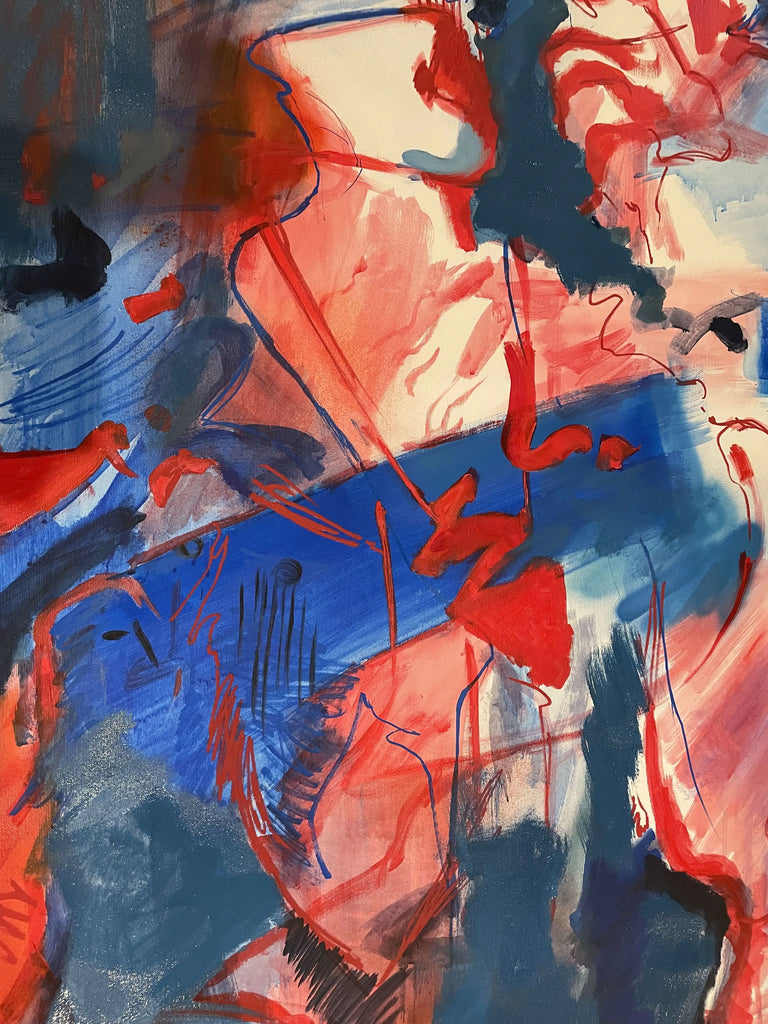
Source: Maria Perchuk, They Don't Dance Anymore, Behance, https://www.behance.net/gallery/209687393/They-dont-dance-anymore
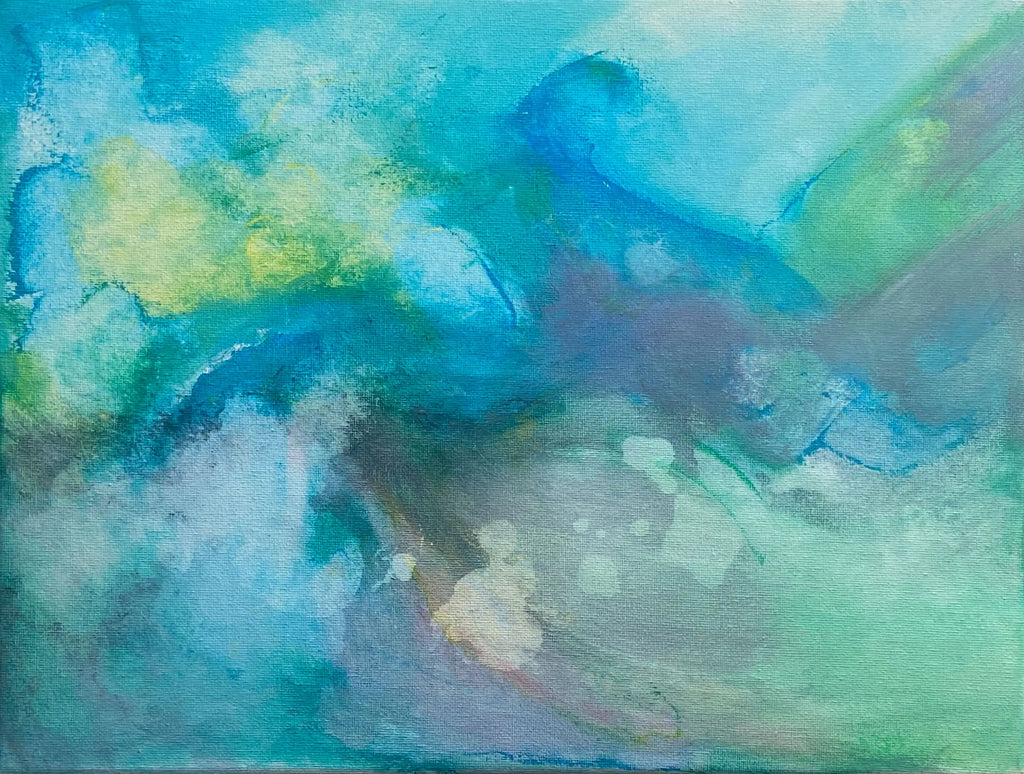
Source: Ulla Reuschel, Abstract Painting in Summer 24, Behance, https://www.behance.net/gallery/207309521/abstract-painting-in-summer-24
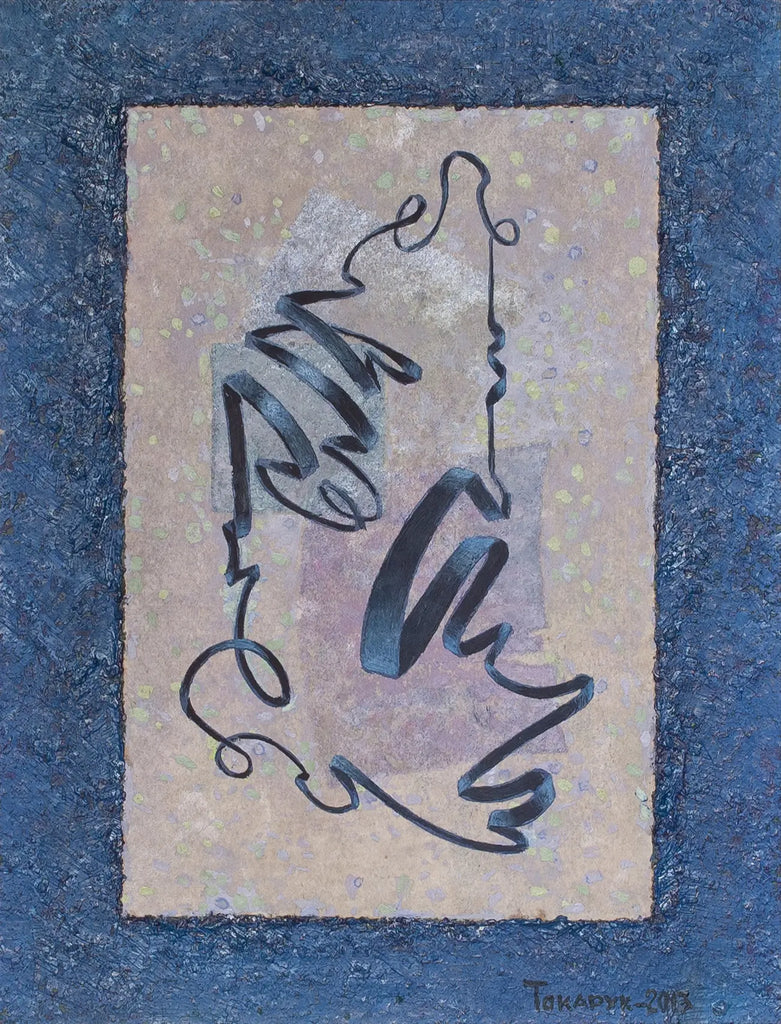
Source: Igor Tokaruk, Sound II, Behance, https://www.behance.net/gallery/127317663/Sound-II
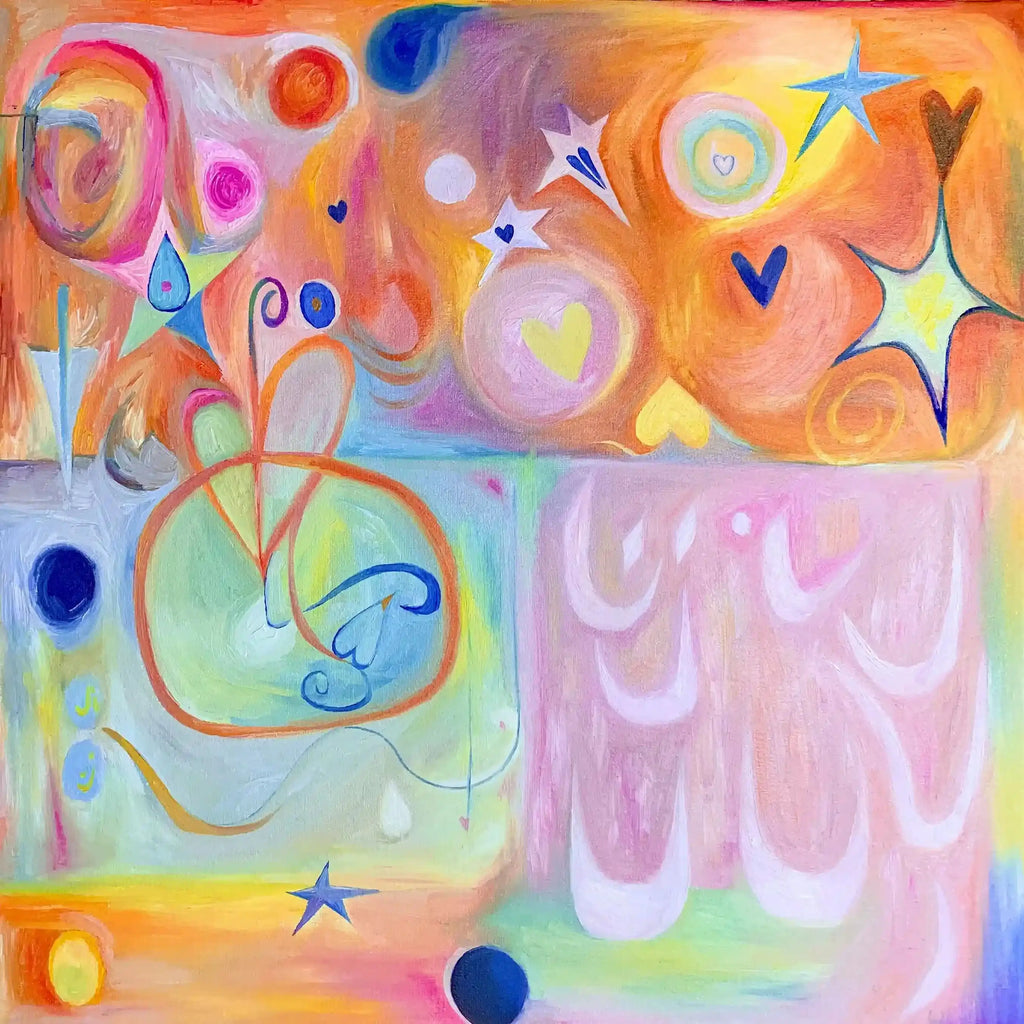
Source: Kisochka Devochka, Les Chaînes, Behance, https://www.behance.net/gallery/210117937/les-chanes
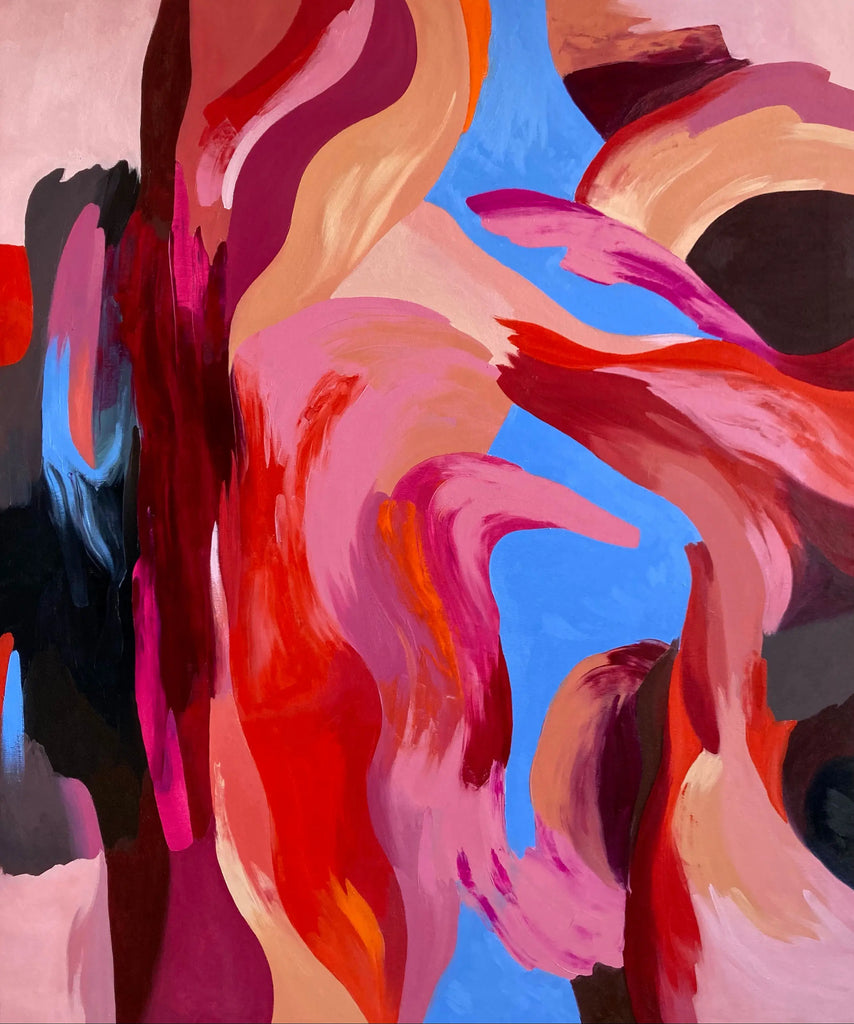
Source: Ana Costov, Passions, Behance, https://www.behance.net/gallery/200572743/Passions
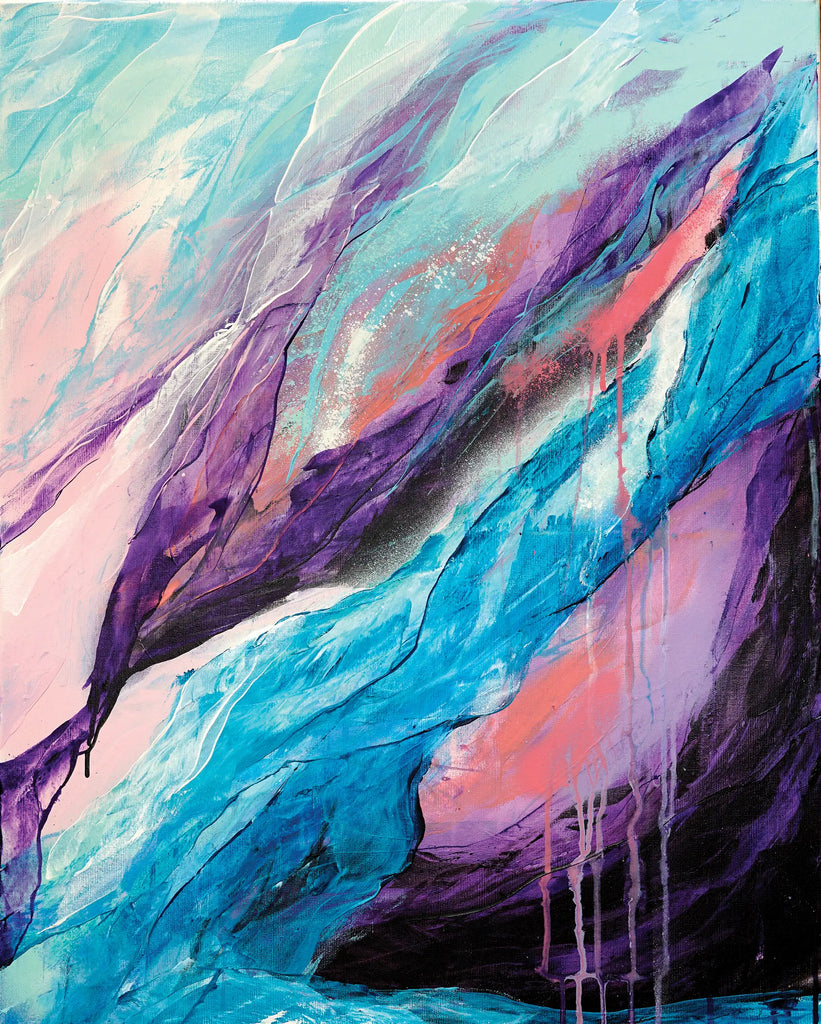
Source: Jaide Bateman, Striking, Behance, https://www.behance.net/gallery/63734837/Striking
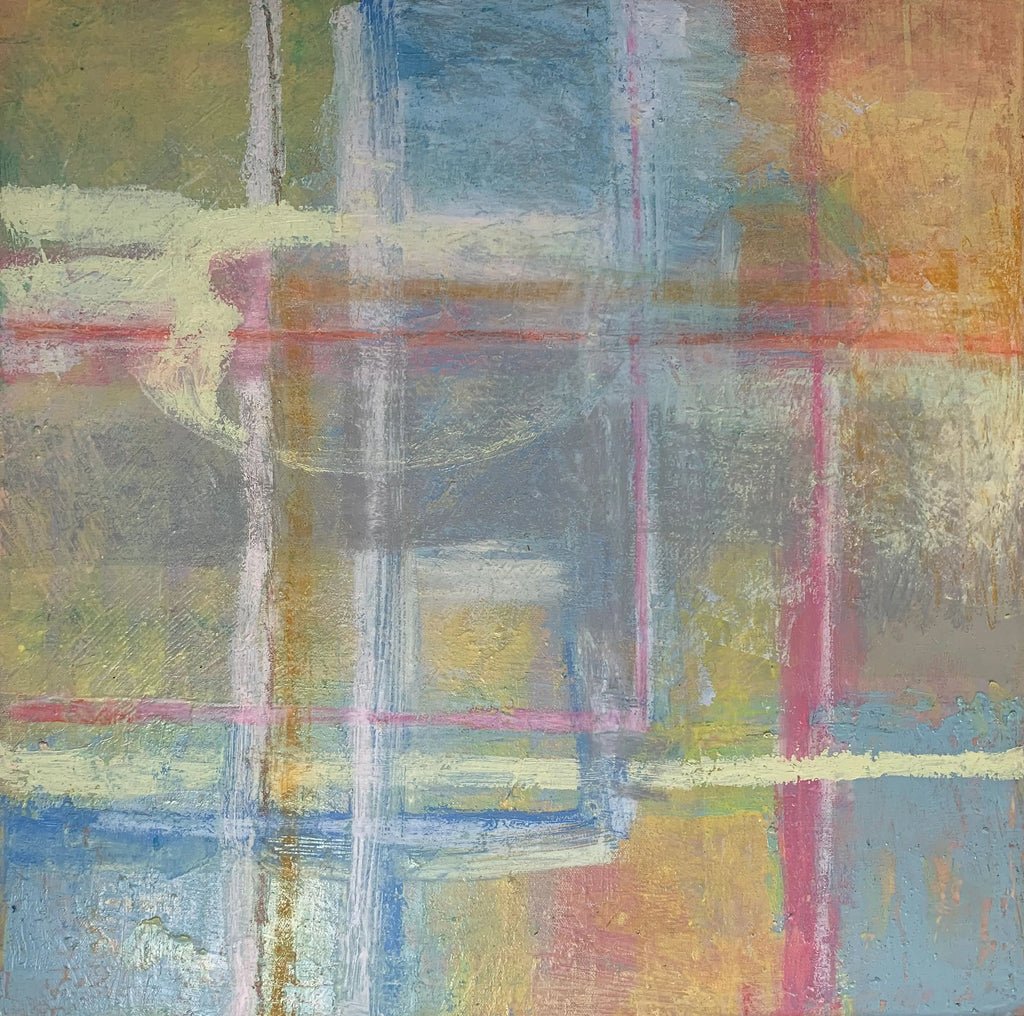
Source: Sungmia Cha, Enigma Series, Behance, https://www.behance.net/gallery/162786833/Enigma-Series
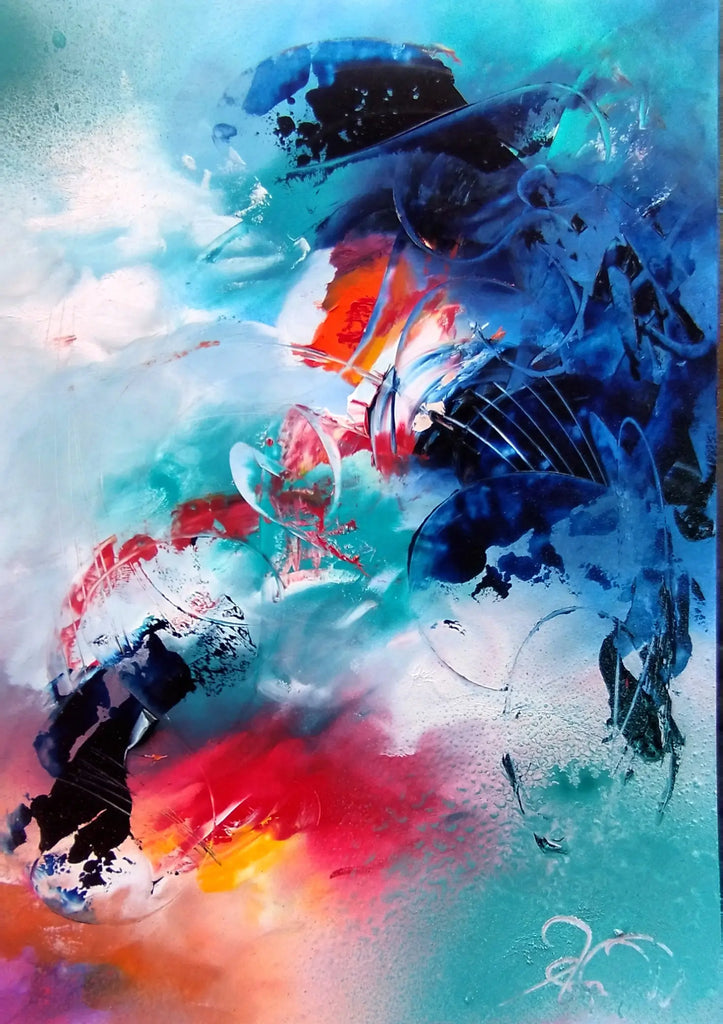
Source: Sara Quida Art, Love, Behance, https://www.behance.net/gallery/208348729/Love
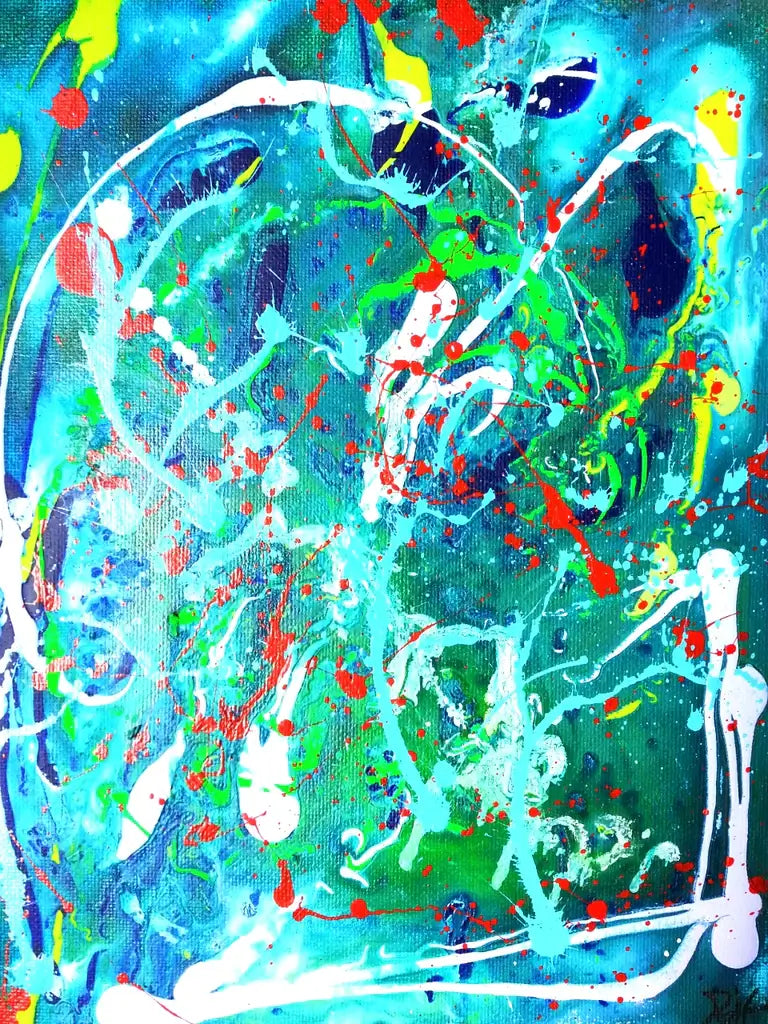
Source: Rambleonrob, Don't Drink The Water, Deviantart, https://www.deviantart.com/rambleonrob/art/Dont-Drink-The-Water-476403042
What Materials Are Best For Abstract Painting?
Abstract painting thrives on freedom, and the materials you choose play a huge role in shaping that creative experience. The beauty of abstract painting is that there is no strict rulebook—you can mix, layer, and experiment with a wide range of tools and surfaces to achieve something truly original. If you want your work to feel expressive and visually engaging, selecting the right materials can make all the difference. Here are five essential material directions that can elevate your abstract painting process in exciting ways.
Versatile Paint Types That Define Your Style
Acrylics are often the go-to for abstract painting because they dry quickly and allow for layering without long waits. Oils, on the other hand, offer a slower drying time, giving you more flexibility to blend and manipulate textures. For a lighter, more fluid feel, watercolors can create soft, atmospheric abstract painting effects. Each paint type brings a different energy, so choosing one depends on whether you want crisp layers, smooth transitions, or flowing washes.
Dynamic Tools Beyond Traditional Brushes
Abstract painting becomes far more interesting when you step outside standard brushes. Palette knives are perfect for bold, textured strokes, while sponges can create organic, uneven patterns. You can even experiment with unconventional tools like old cards, sticks, or fabric to introduce unexpected marks. These tools help your abstract painting feel less predictable and more alive.
Surfaces That Influence The Final Look
Canvas is a classic choice, but abstract painting also works beautifully on wood panels, paper, or even fabric. A smooth surface allows for clean lines and fluid motion, while a textured base adds depth before you even begin. Trying different surfaces can completely transform the mood of your abstract painting.
Mediums That Add Depth And Texture
To push your abstract painting further, mediums are essential. Gel mediums can thicken paint for sculptural effects, while pouring mediums create those mesmerizing fluid patterns. Gloss or matte finishes also affect how light interacts with your work, adding another layer of visual interest.
Finishing Products That Protect And Enhance
Once your abstract painting is complete, varnishes and sealers help protect the surface and unify the overall appearance. A glossy finish can intensify colors, while a matte finish gives a more subtle, contemporary feel. These final touches ensure your abstract painting not only looks polished but also lasts over time.
What Are Creative Ways To Use Lines In Abstract Painting?
Lines in abstract painting are far more than simple marks—they act like visual energy, guiding the viewer’s eye and shaping the entire composition. Whether bold or delicate, chaotic or controlled, lines can completely transform how an abstract painting feels. Instead of treating them as outlines, think of lines as expressive tools that carry movement, rhythm, and personality. If you want your abstract painting to stand out, experimenting with lines is one of the most exciting ways to push your creativity further.
Use Lines To Create Movement And Flow
One of the most dynamic ways to use lines in abstract painting is to suggest motion. Sweeping curves, zigzags, or continuous strokes can lead the eye across the canvas, creating a sense of journey. Instead of static compositions, flowing lines bring life and direction, making your abstract painting feel energetic and immersive.
Layer Lines For Depth And Complexity
Layering lines in different directions and thicknesses adds richness to your abstract painting. Start with subtle, faint lines and gradually build stronger, bolder ones on top. This overlapping technique creates depth without relying on realism. The result is a composition that feels intricate and visually engaging.
Play With Line Weight And Contrast
Switching between thick, heavy lines and thin, delicate ones can instantly elevate your abstract painting. Bold lines can anchor the composition, while finer lines add detail and nuance. This contrast keeps the viewer’s attention moving and prevents the artwork from feeling flat or monotonous.
Break Structure With Unexpected Line Patterns
Instead of following predictable paths, try breaking patterns with irregular or interrupted lines. Dotted lines, fragmented strokes, or lines that suddenly change direction can introduce surprise and tension. These unexpected elements make your abstract painting feel fresh and less formulaic.
Use Lines As Focal Points Or Frames
Lines can also act as structural guides within your abstract painting. You can use them to frame certain areas, highlight a focal point, or divide the canvas into sections. Whether subtle or bold, these line placements help organize the composition while still maintaining a freeform aesthetic.
What Textures Make Abstract Painting Feel Tactile And Rich?
Texture is where abstract painting truly steps off the canvas and into a sensory experience. It invites the viewer not just to look, but almost to feel the artwork with their eyes. A flat surface can be beautiful, but when you introduce texture, your abstract painting gains dimension, personality, and a certain irresistible depth. The magic lies in how different materials and techniques interact to create surfaces that feel layered, raw, and alive. If you want your abstract painting to feel rich and tactile, texture is your secret weapon.
Thick Impasto For Bold, Sculptural Impact
One of the most striking ways to add texture in abstract painting is through impasto techniques. By applying thick layers of paint with a palette knife or heavy brush, you create raised surfaces that catch light beautifully. These bold textures give your abstract painting a sculptural quality, making every stroke feel intentional and powerful.
Mixed Media Layers For Unexpected Surfaces
Combining materials like paper, fabric, or sand into your abstract painting introduces a completely new dimension. These mixed media elements create irregular, tactile surfaces that break away from smooth paint finishes. The contrast between soft and rough areas adds visual intrigue and keeps the artwork engaging from every angle.
Scraping And Carving For Raw Texture Effects
Instead of just adding material, try removing it. Scraping into wet paint or carving through layers reveals underlying colors and textures. This subtractive approach gives your abstract painting a raw, organic feel, almost like uncovering hidden layers beneath the surface.
Soft Blending With Textured Contrast
Not all textures need to be bold. Pairing smooth, blended areas with rough, textured sections creates a dynamic contrast. This balance allows parts of your abstract painting to feel calm and fluid, while other areas remain energetic and tactile, making the overall composition more captivating.
Gloss, Matte, And Surface Finishes For Depth
Texture is not only about physical buildup—it also comes from how surfaces reflect light. Using gloss and matte finishes in different sections of your abstract painting creates subtle variations that shift as the viewer moves. These finishing touches enhance depth and make the artwork feel more layered and refined.
What Surprising Color Limits Improve Abstract Painting Results?
Limiting color in abstract painting might sound restrictive at first, but it is actually one of the smartest ways to unlock stronger, more intentional results. When you reduce your palette, every shade starts to matter more. Instead of relying on endless color options, you begin to focus on contrast, harmony, and composition. This approach can make your abstract painting feel more refined, impactful, and visually memorable. The trick is choosing limits that challenge your creativity rather than shrink it.
Work With A Two-Color Palette For Bold Clarity
Using only two colors in abstract painting forces you to think about contrast and balance in a sharper way. Whether you go for high contrast like black and white or softer pairings like beige and blue, the simplicity creates a clean and striking visual. This limitation often leads to compositions that feel confident and cohesive without unnecessary noise.
Explore Monochrome Variations For Subtle Depth
A single color can go a long way when you experiment with its different tones, tints, and shades. Monochrome abstract painting creates a calm yet sophisticated look, where depth comes from variation rather than color diversity. This approach is perfect for artists who want their textures and forms to take center stage.
Limit To Warm Or Cool Tones Only
Another creative constraint is choosing either warm colors or cool colors and sticking with that temperature range. Warm palettes (reds, oranges, yellows) can create energetic abstract painting, while cool palettes (blues, greens, purples) feel more serene and atmospheric. This focused direction keeps the artwork emotionally consistent.
Use A Neutral Base With One Accent Color
Starting with neutrals like white, gray, or earthy tones and introducing just one bold accent color can transform an abstract painting instantly. The limited accent becomes the star of the composition, drawing attention without overwhelming the canvas. It is a simple yet powerful way to control visual hierarchy.
Restrict Bright Colors And Embrace Muted Tones
Instead of reaching for highly saturated hues, try working mostly with muted or desaturated colors. This unexpected limitation gives your abstract painting a more modern and refined feel. When you do introduce a brighter tone, it becomes even more impactful because of the surrounding subtlety.
What Finishing Details Elevate Abstract Painting Instantly?
Finishing an abstract painting is not just about stopping—it is about knowing how to give the piece that final spark. Those last details can shift your work from “almost there��� to visually unforgettable. In abstract painting, the finishing stage is where you refine energy, sharpen intention, and add subtle touches that tie everything together. Think of it as editing your creative chaos into something that feels complete without losing its raw charm.
Add Strategic Highlights For Visual Pop
A few well-placed highlights can instantly energize an abstract painting. This might be a touch of white, a metallic accent, or a brighter tone layered on top of existing colors. These highlights catch the eye and create contrast, helping certain areas stand out without overwhelming the composition.
Refine Edges For A Cleaner Finish
Sometimes abstract painting benefits from a bit of structure at the end. Cleaning up edges—whether sharpening them or softening them intentionally—can make the artwork feel more resolved. Crisp edges bring focus, while blurred edges create a dreamy, fluid effect. Choosing where to refine makes a big difference.
Introduce Fine Details For Depth
After bold strokes and large shapes, adding smaller details can create a sense of depth and intricacy. Thin lines, subtle marks, or delicate textures layered on top give your abstract painting a more complex visual story. These details invite viewers to look closer and spend more time with the piece.
Balance The Composition With Final Adjustments
Step back and assess your abstract painting as a whole. Does one area feel too heavy? Is there a section that needs more attention? Small adjustments—like adding a touch of color or toning down a section—can restore balance and harmony. This final check ensures the artwork feels cohesive.
Apply The Right Finish For A Polished Look
The final surface treatment can completely transform how your abstract painting is perceived. A glossy finish enhances color vibrancy and reflection, while a matte finish offers a softer, contemporary feel. Choosing the right finish not only protects your work but also enhances its overall presence.
Conclusion
Abstract painting is a space where creative decisions truly shape the final impact. From the way lines guide the eye to how textures invite closer attention, every element plays a role in building a compelling visual experience. Small choices—like limiting color, adjusting contrast, or refining edges—can dramatically improve the overall result. Rather than chasing perfection, focus on clarity and intention in each layer. As you continue exploring abstract painting, your work will naturally develop more confidence, character, and presence, making each piece feel thoughtfully crafted and visually engaging.
Let Us Know What You Think!
Every information you read here are written and curated by Kreafolk's team, carefully pieced together with our creative community in mind. Did you enjoy our contents? Leave a comment below and share your thoughts. Cheers to more creative articles and inspirations!
LINK
From swirling vortexes of color to minimalist strokes that speak volumes, we will showcase a variety of techniques and styles that stand out in the art community. So, open your mind, and get ready to discover the abstract painting trends that are shaping the contemporary art scene. Let’s make your canvas come alive with expressions that are as unique and fun as your imagination allows! If you want to decorate your interior, you can buy abstract paintings at enjoyposter.com.
Related Articles


Leave a Comment