
The Psychology of Shapes in Logo designs
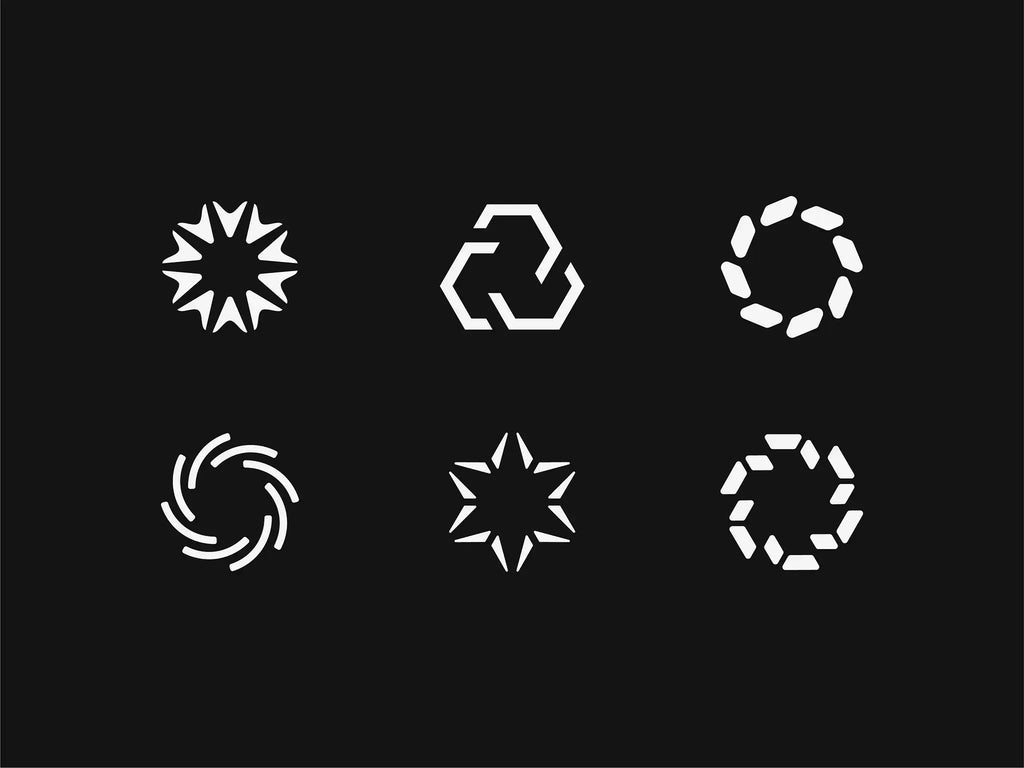
Source: Josh Warren, Satellite Exploration, Dribble, https://dribbble.com/shots/18260425-Satellite-exploration
Understanding the psychology of shapes in logo design is essential for creating a brand identity that resonates deeply with its intended audience. Shapes are not just visual elements; they carry significant psychological connotations that can influence perception and behavior. Whether a designer chooses circles, squares, triangles, or more organic forms, each shape contributes to the narrative of the brand in subtle yet impactful ways.
The choice of shape can communicate a range of attributes from strength and stability to dynamism and innovation. Incorporating an understanding of shape psychology into logo design not only enhances the aesthetic appeal but also ensures that the logo conveys the right message to its audience. This strategic approach helps in building a cohesive brand identity that stands out in the competitive market. By exploring the psychological effects of different shapes, designers can craft logos that not only capture attention but also foster a lasting connection with the viewer.
Circles and Ovals
In the realm of logo design, circles and ovals play a pivotal role in shaping consumer perceptions through their soft contours and closed lines. These shapes are universally recognized symbols of unity, wholeness, and infinity, which subtly communicate openness and community. The psychology of circles in logo designs suggests a positive emotional message, fostering feelings of warmth and comfort. Brands leveraging circles or ovals in their logos often aim to project an image of trustworthiness and emotional connection, making them particularly popular in industries like healthcare, insurance, and education.
Furthermore, the endless loop of a circle can imply movement and perpetuity, ideal for businesses that wish to convey concepts of sustainability and continuous service. By incorporating circular shapes, designers tap into a deep-seated psychological cue that resonates with inclusivity and harmony, making these logos memorable and appealing to a broad audience.
Squares and Rectangles
Squares and rectangles convey a sense of stability and reliability in logo design, utilizing their straight lines and right angles to project strength and professionalism. These shapes are foundational in their psychology, evoking feelings of trust and security that are crucial for brands in the banking, real estate, and technology sectors. The use of squares and rectangles often suggests efficiency and balance, appealing to a demographic that values order and pragmatism. Additionally, these shapes can be perceived as traditional and honest, which helps in establishing a brand’s integrity.
In a broader design context, squares and rectangles provide a structural base that can be creatively manipulated to incorporate a company’s initials or symbolic elements, further enhancing the logo’s visual impact and brand recall. By applying these geometric forms, logo designers strategically use shape psychology to align a brand’s visual identity with its core values and target market, reinforcing the company’s presence in a competitive industry.
Triangles
Triangles in logo design are potent symbols that carry a dynamic impact, often used to suggest direction, growth, and purpose. The psychology behind triangles is deeply rooted in their perceived motion and energy, making them an excellent choice for brands aiming to express innovation and aggressive progression. The orientation of a triangle can significantly affect its interpretation: an upward-pointing triangle represents stability and ascension, commonly seen in logos related to law, religion, and science. Conversely, a triangle pointing downward can symbolize risk and conflict, suited for brands that wish to project a cutting-edge or rebellious image.
Triangles are also associated with the Greek element of fire, which conveys passion and transformation. This makes them particularly appealing to companies in the technology and consulting sectors, where change and forward-thinking are paramount. By utilizing the sharp angles and clean lines of triangles, designers can craft logos that not only stand out visually but also encapsulate the core attributes of the brand they represent, harnessing the power of shape psychology to communicate a clear and impactful message.
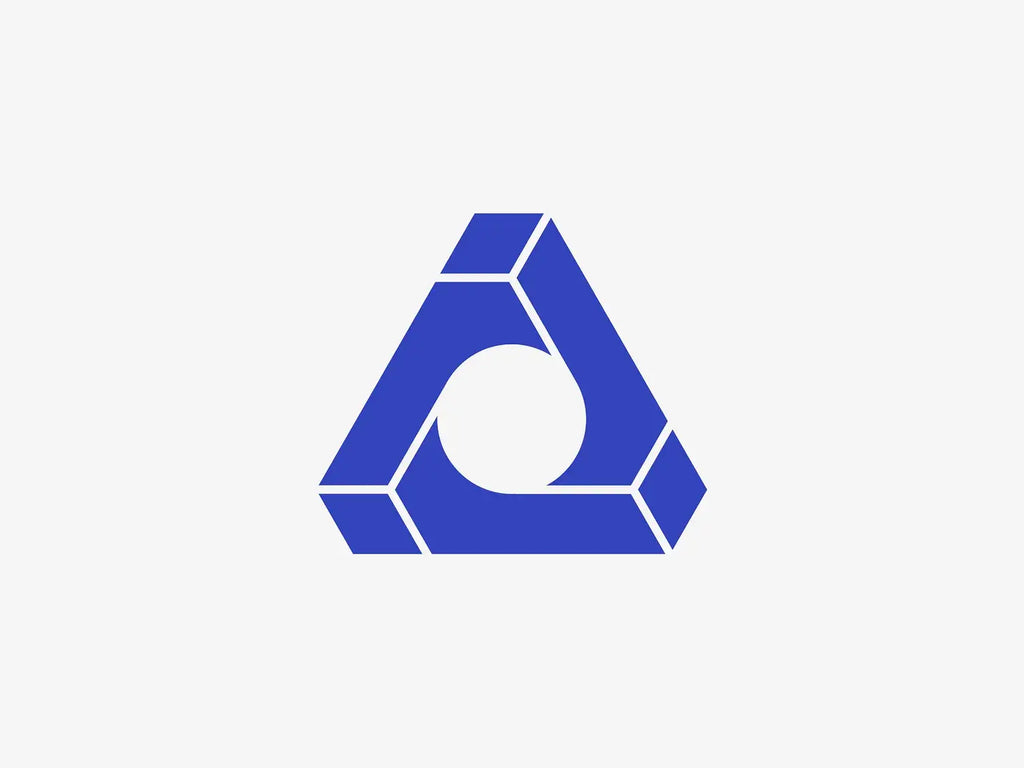
Source: Gert van Duinen (Cresk Design), Geomark, Dribble, https://dribbble.com/shots/18179267-Geomark
Vertical Lines
Vertical lines in logo design are emblematic of strength, professionalism, and growth. These lines evoke a sense of height and aspiration, often used to inspire confidence and respect among the target audience. The psychology of vertical lines suggests upward momentum and stability, qualities that are essential for brands in industries like construction, finance, and corporate services. By incorporating vertical elements into a logo, designers can subtly signal a company’s aspirations and its standing as a towering presence in its field. Additionally, vertical lines can create a feeling of grandeur and luxury, making them suitable for premium brands that wish to emphasize their superiority and high standards.
In the context of logo designs, vertical lines are not just decorative elements; they are powerful communicative tools that enhance the visual narrative of a brand. They help to build a visual identity that resonates with qualities of professionalism and upward mobility, essential for companies that aim to portray themselves as leaders and innovators in their respective fields.
Horizontal Lines
Horizontal lines in logo design are key to conveying stability, tranquility, and calmness. These lines suggest a landscape, horizon, or resting place, evoking a sense of peace and serenity that can be comforting to the viewer. The psychology of horizontal lines is often associated with community, continuity, and peacefulness. They are particularly effective in logos for healthcare, spa services, or wellness brands, where the priority is to create an atmosphere of relaxation and trust. Horizontal lines also imply a foundation, suggesting solidity and grounding, which can be appealing for financial institutions and real estate firms that aim to project security and dependability.
The strategic use of horizontal lines can make a logo appear more expansive and wide, which enhances the logo’s visibility and recognition. By employing horizontal lines, designers not only capitalize on their calming psychological impact but also use them to create a balanced and harmonious aesthetic that resonates with a brand’s identity and values.
Organic Shapes
Organic shapes in logo designs bring a touch of nature and authenticity, appealing to the viewer’s innate connection with the natural world. These shapes, which include curves, asymmetrical forms, and naturalistic outlines, are often used to symbolize health, vitality, and environmental consciousness. The psychology behind organic shapes is grounded in their ability to convey friendliness and approachability, making them ideal for brands that want to appear accessible and caring. Organic shapes are particularly prevalent in industries like organic food, wellness, and outdoor activities, where an earthy connection and eco-friendly values are crucial. Furthermore, these shapes can help a brand stand out by breaking away from the rigid conformity of geometric logos, offering a unique and memorable visual identity.
By incorporating elements such as leaves, water droplets, or abstract forms that mimic natural features, designers can evoke a sense of spontaneity and vitality. This not only enhances the visual appeal of the logo but also fortifies the brand’s message of being aligned with nature and human wellbeing, leveraging the psychology of shapes to create a deeper emotional connection with the audience.
Spirals
Spirals in logo design captivate the viewer’s attention with their dynamic and flowing nature. These shapes symbolize evolution, growth, and creativity, making them a favored choice for brands that embody transformation or natural progression. The spiral can be seen as a journey, starting from the center and moving outward, representing expansion and the ability to adapt and evolve over time. This shape is particularly effective for businesses in the fields of art, education, and any innovative industry where change and development are at the forefront.
The psychological impact of spirals is profound as they can invoke feelings of mystery and introspection, drawing the viewer into a deeper engagement with the brand. Spirals convey a sense of continuity and fluid motion, which can be soothing and inviting. They are often used in logos that aim to convey a sense of harmony and holistic practices, such as wellness centers, spas, and environmental organizations.
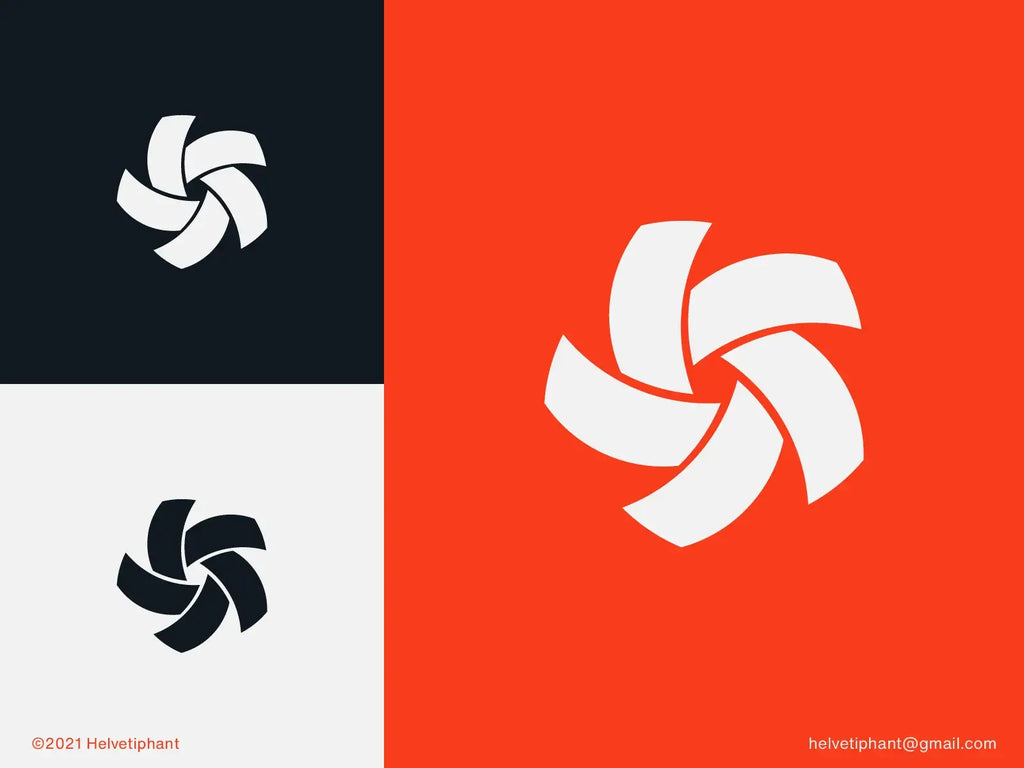
Helvetiphant, PentaSpin - Logo Concept, Dribble, https://dribbble.com/shots/15493513-PentaSpin-logo-concept
Abstract Shapes
Abstract shapes in logo designs are instrumental in conveying complex ideas through simple visual form. These shapes are not bound by the conventional representation of objects but instead use creativity to symbolize a brand’s ethos and values. Abstract shapes are versatile and powerful in creating a unique identity, allowing for a high degree of customization to capture the essence of a brand uniquely and memorably.
The psychology behind abstract shapes in logos taps into the viewer's imagination, inviting them to interpret the symbol in a way that resonates personally. This engagement makes abstract logos particularly effective for industries that value innovation, such as technology startups, modern art galleries, and creative agencies. The ambiguity of abstract shapes can also foster a sense of mystery and intrigue, encouraging a deeper exploration of what the brand stands for.
Moreover, abstract shapes can adapt to convey various emotions and characteristics—from soft and approachable curves that suggest friendliness and comfort, to sharp, angular designs that communicate cutting-edge professionalism. They offer an expansive palette for expression, serving as a blank canvas to reflect a brand’s unique perspective and positioning. Through strategic design choices, these shapes can effectively communicate a brand’s voice and ethos, making abstract shapes a potent tool in the arsenal of any logo designer aiming to create a strong and lasting brand identity.
The Impact of Sharp Angles
Sharp angles in logo design are often employed to convey a sense of energy, dynamism, and precision. These angular forms can be striking, creating a visual impact that suggests cutting-edge innovation and a proactive attitude. The psychology behind sharp angles speaks to their ability to evoke feelings of excitement and boldness, which can be particularly appealing to industries like technology, sports, and automotive, where such traits are highly valued.
The pointed corners and intersecting lines of sharp angles symbolize efficiency and decisiveness, projecting an image of a company that is driven and competitive. They can also impart a sense of conflict or disruption, ideal for brands that aim to challenge the status quo or position themselves as revolutionaries in their field. This visual strategy not only captures attention but also helps to establish a strong brand identity that communicates confidence and leadership.
Soft Curves
Soft curves in logo designs are synonymous with comfort, friendliness, and accessibility. These rounded shapes are naturally pleasing to the eye, and their psychology suggests safety and trustworthiness, making them a popular choice for brands that wish to appear nurturing and supportive. Industries such as childcare, healthcare, and education often utilize soft curves in their logos to communicate care and warmth effectively.
The gentle nature of curves can also convey a sense of fluidity and movement, which is appealing to companies that value innovation and adaptability. Unlike the harshness of angles, curves provide a visual softness that can make a brand seem more approachable and less intimidating. This can be particularly effective in markets where customer comfort and satisfaction are priorities.
Moreover, soft curves can help to balance a logo design, adding a touch of elegance and sophistication. They are often used in the hospitality and luxury sectors to evoke a sense of premium quality and exquisite service. By employing soft curves, designers can create a welcoming and harmonious brand image that appeals to a broad audience, fostering a connection that encourages loyalty and trust.
Conclusion
The psychology of shapes in logo design plays a crucial role in shaping consumer perceptions and behaviors. Whether it's the strength and stability conveyed by squares, the dynamic energy of sharp angles, or the comforting embrace of soft curves, each shape can profoundly influence a brand's image and audience interaction. Understanding these psychological impacts allows designers to craft logos that not only visually represent a brand but also resonate deeply with its target demographic, fostering recognition, trust, and loyalty. Thus, the strategic use of shapes is fundamental in creating effective and memorable logo designs.
Let Us Know What You Think!
Every information you read here are written and curated by Kreafolk's team, carefully pieced together with our creative community in mind. Did you enjoy our contents? Leave a comment below and share your thoughts. Cheers to more creative articles and inspirations!
Related Articles


Leave a Comment