
30 Best Animal Painting Ideas You Should Check

Source: Giambaccio, Fu-Hu, Instagram, https://www.instagram.com/p/C6Y4up8C-UI/
Animal painting opens a creative playground where instinct, color, and storytelling collide in unexpected ways. Instead of simply recreating what you see, this approach invites you to reinterpret wildlife through your own artistic voice. This article is going to showcase some of the best ideas that transform ordinary subjects into captivating visual statements, helping you rethink how animal painting can feel fresh and original.
Think beyond traditional portraits and imagine animals built from bold geometric forms, layered textures, or even abstract color fields. A tiger could emerge from splashes of neon hues, while a bird might be suggested through soft watercolor washes rather than strict outlines. These creative directions allow you to break rules and explore new techniques that make your work more distinctive.
Animal painting also gives you the freedom to experiment with mood and atmosphere. You can create serene forest scenes, dramatic close-ups, or stylized compositions that feel almost symbolic. Each idea you try becomes a chance to refine your artistic identity while keeping your work engaging and full of personality.
Animal Painting Ideas
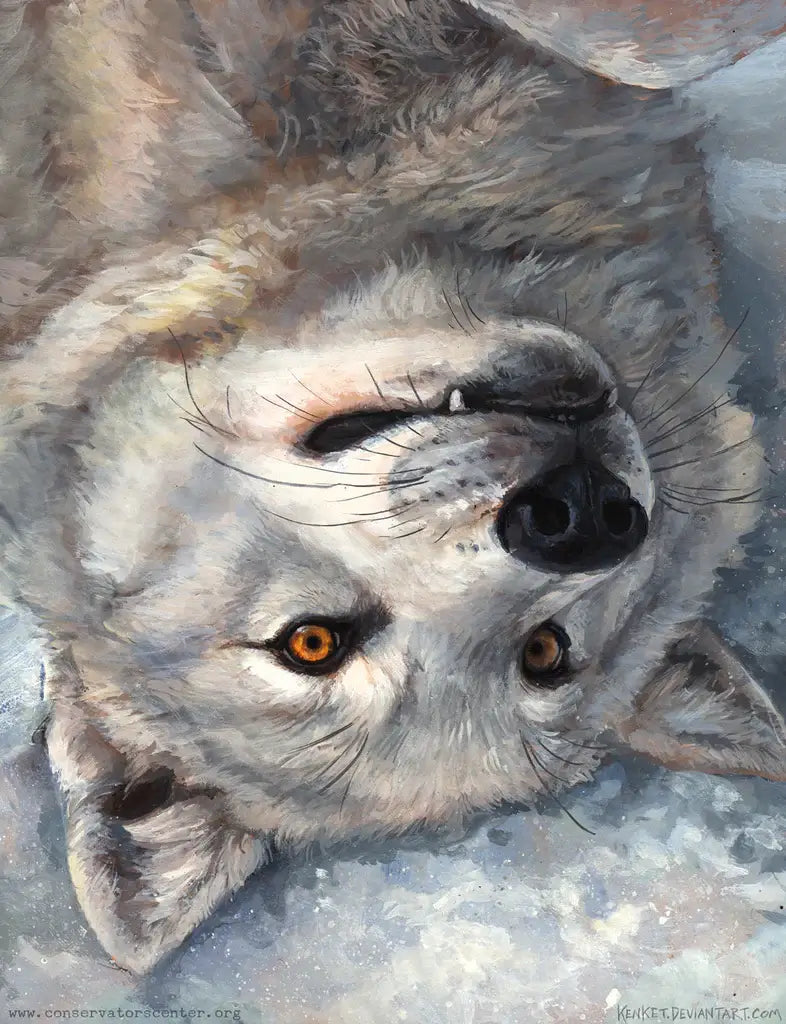
Source: Kenket, Wolf Flail, Deviantart, https://www.deviantart.com/kenket/art/Wolf-Flail-734372336
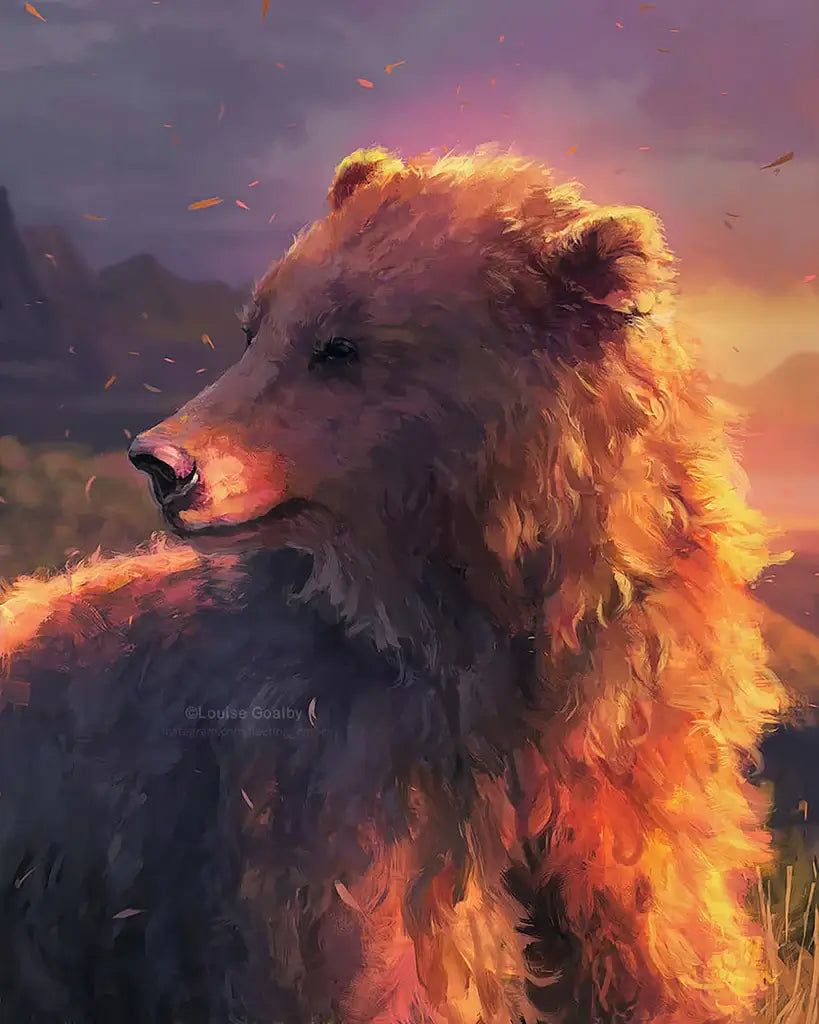
Source: Fleetingember, Marsican Brown Bear, Deviantart, https://www.deviantart.com/fleetingember/art/Marsican-Brown-Bear-891845617
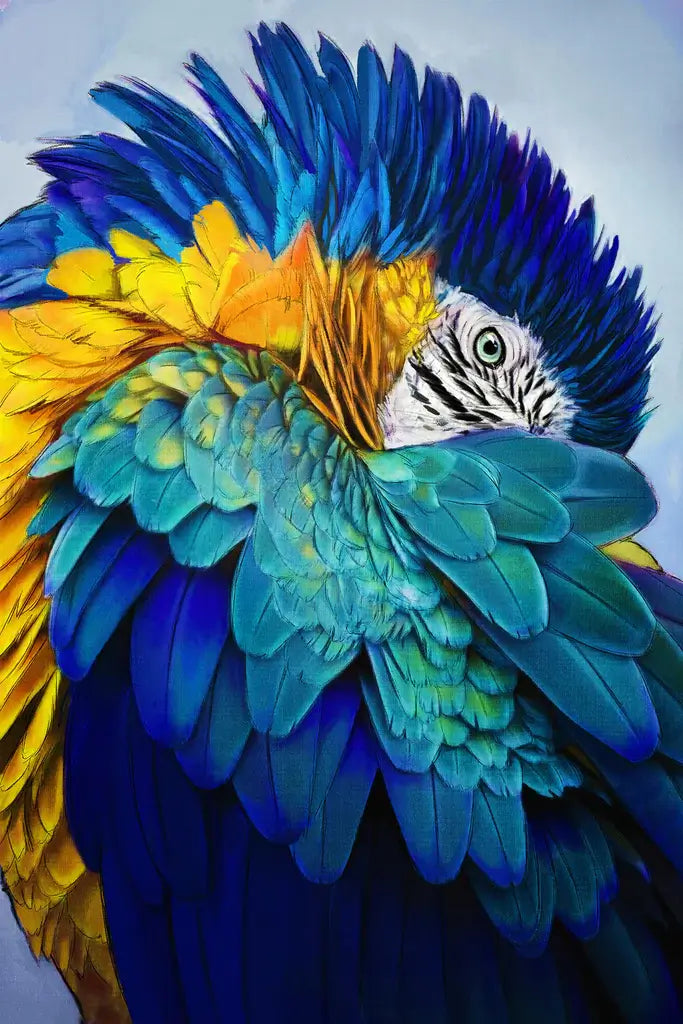
Source: Apeirondiesirae, Blue and Gold, Deviantart, https://www.deviantart.com/apeirondiesirae/art/Blue-and-Gold-578780348
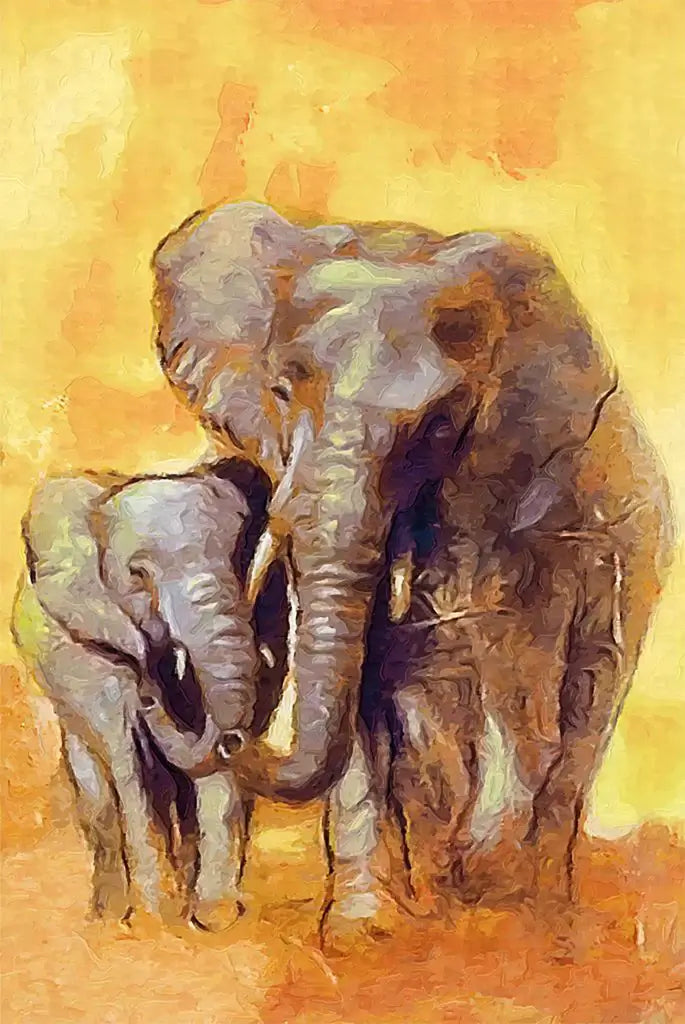
Source: Benizalilg, Elephants, Deviantart, https://www.deviantart.com/benizalilg/art/Elephants-73324772
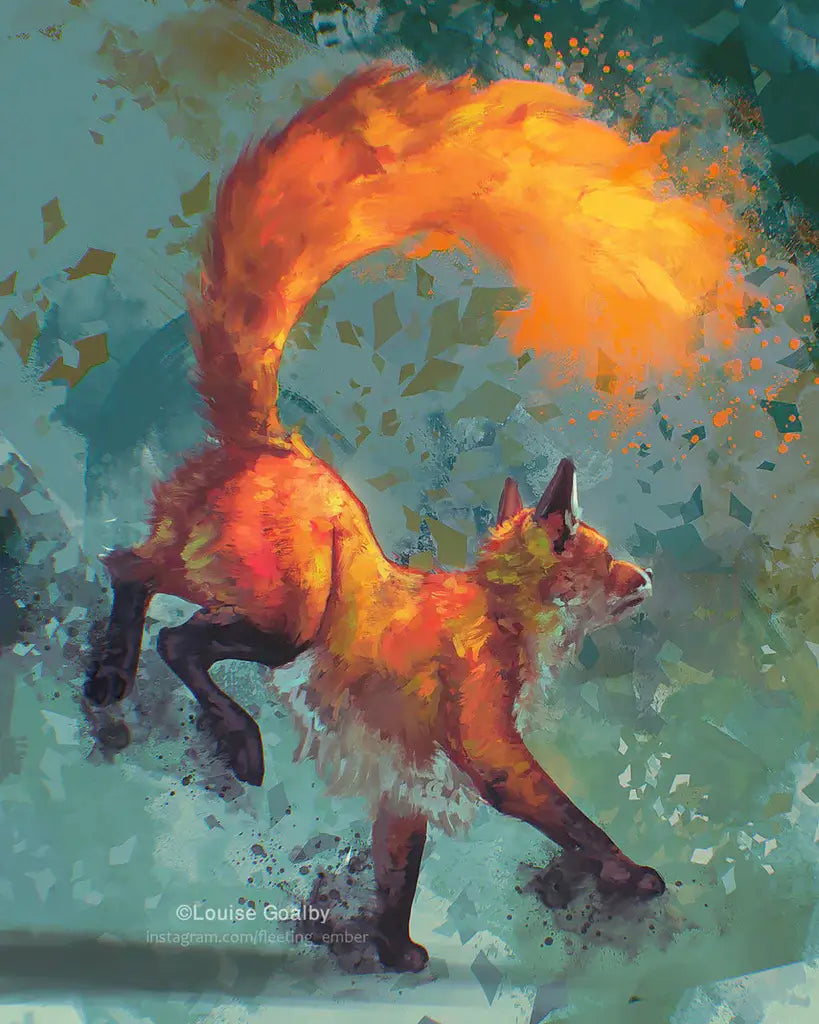
Source: Fleetingember, Fire Fox, Deviantart, https://www.deviantart.com/fleetingember/art/Fire-Fox-911891031
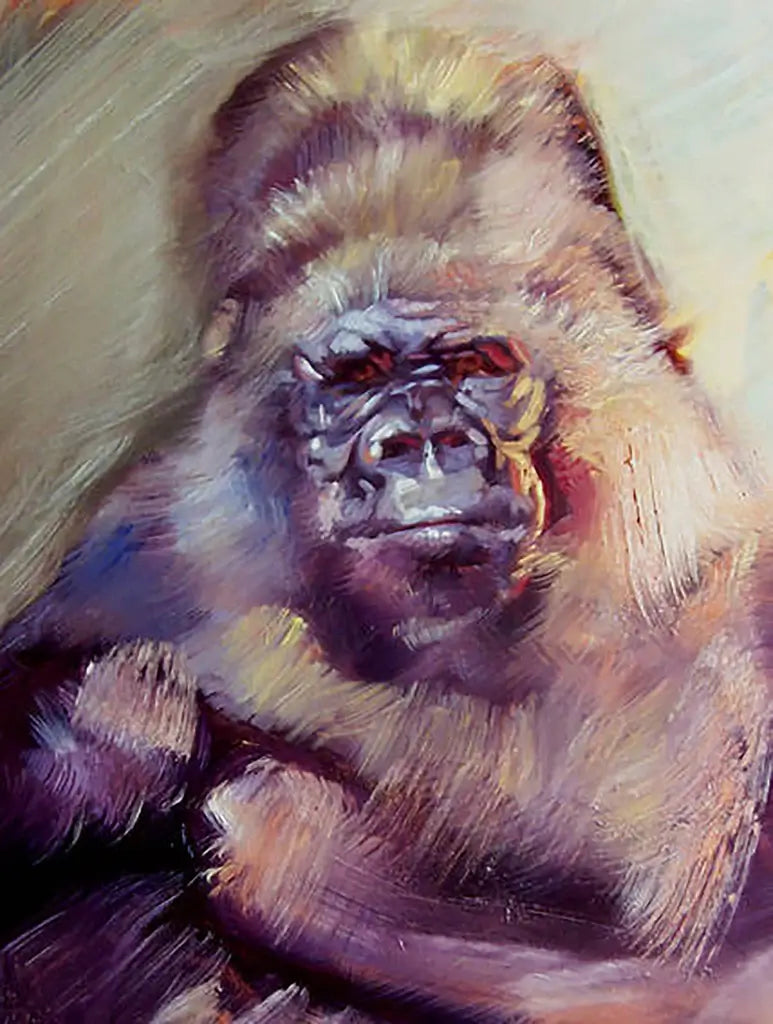
Source: Rmbdarkmyth, Deviantart, https://www.deviantart.com/rmbdarkmyth/art/oo-oo-70480466
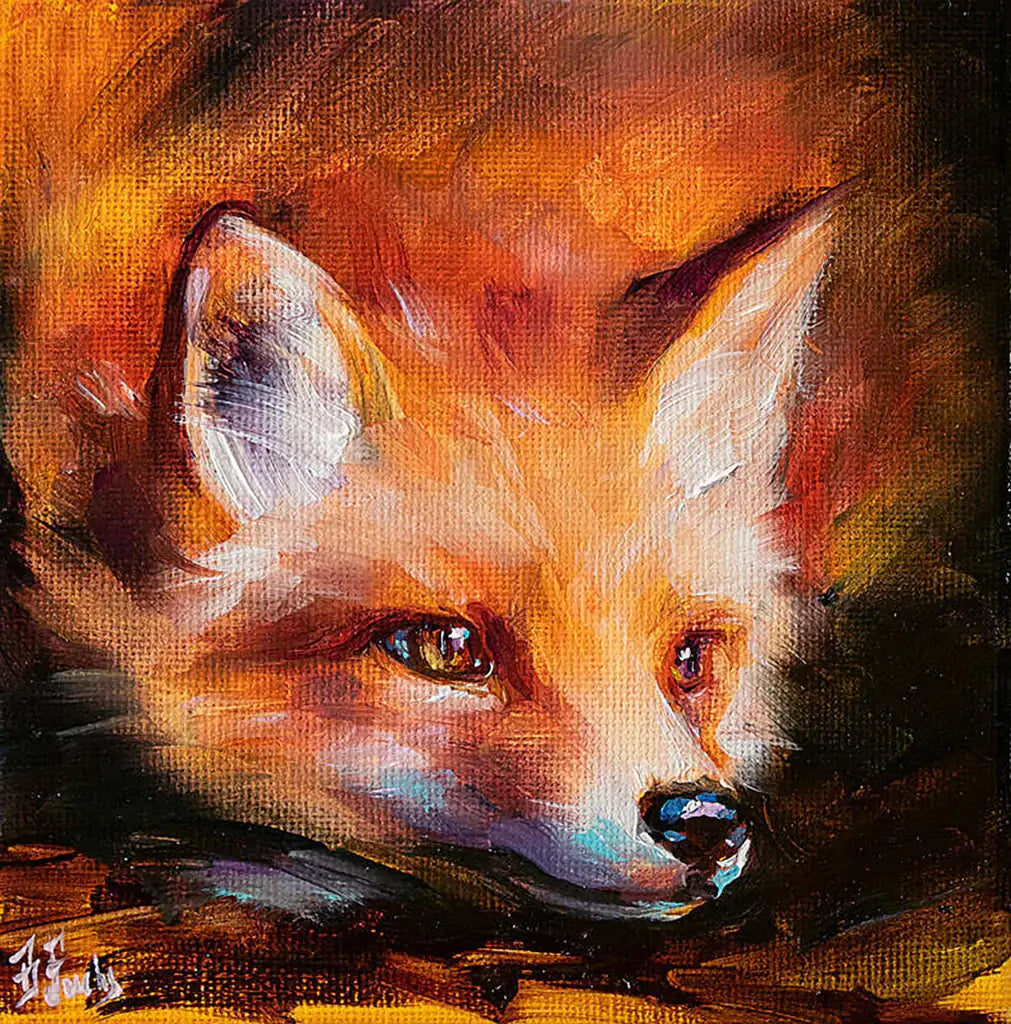
Source: Bozhenafuchs, Deviantart, https://www.deviantart.com/bozhenafuchs/art/Fox-painting-842907390
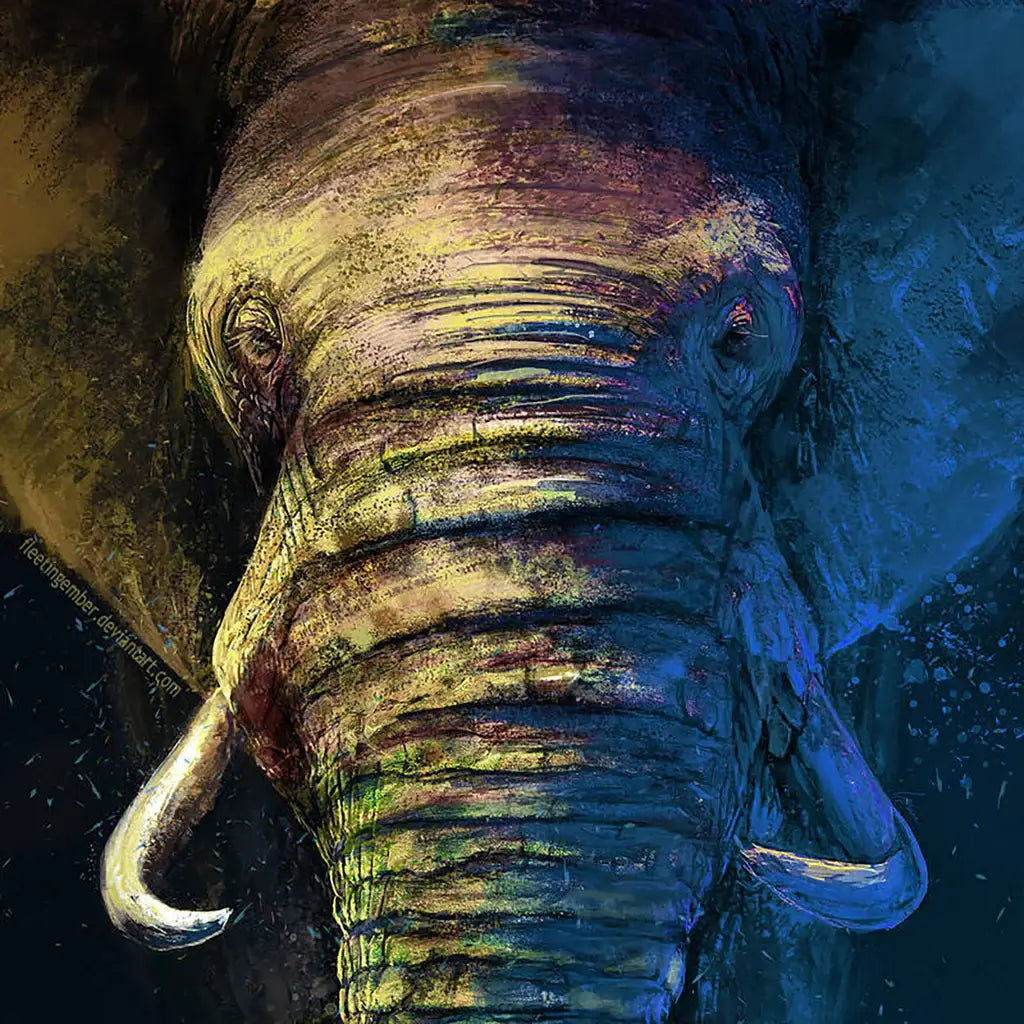
Source: Fleetingember, The Gaze of the Elephant, Deviantart, https://www.deviantart.com/fleetingember/art/The-Gaze-of-the-Elephant-751732542
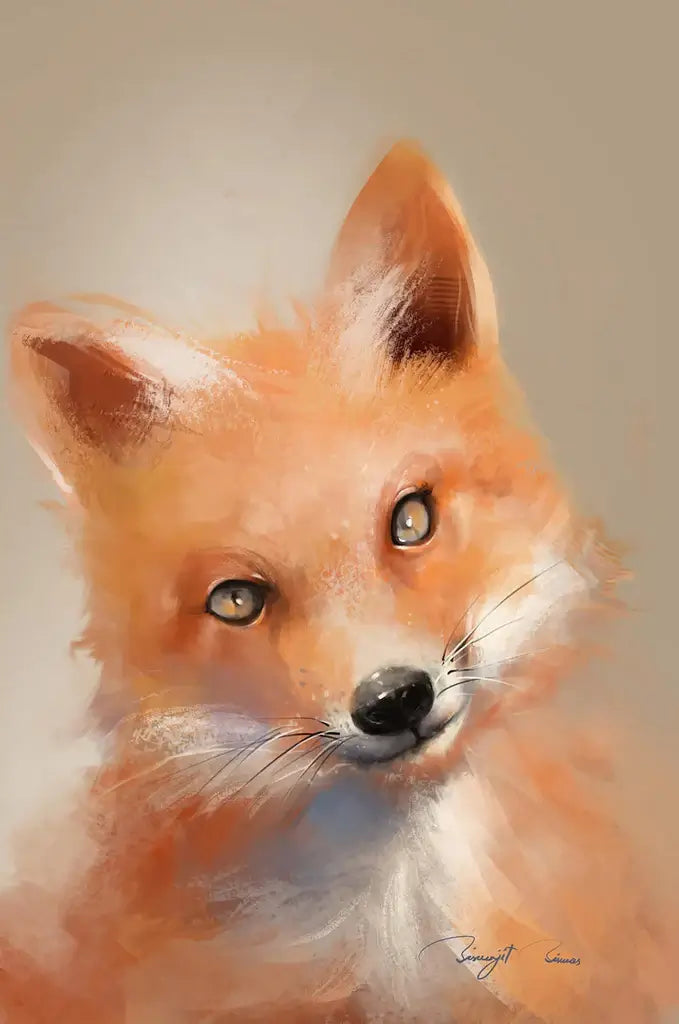
Source: Bisbiswas, Deviantart, https://www.deviantart.com/bisbiswas/art/Fox-Speedpaint-737670814
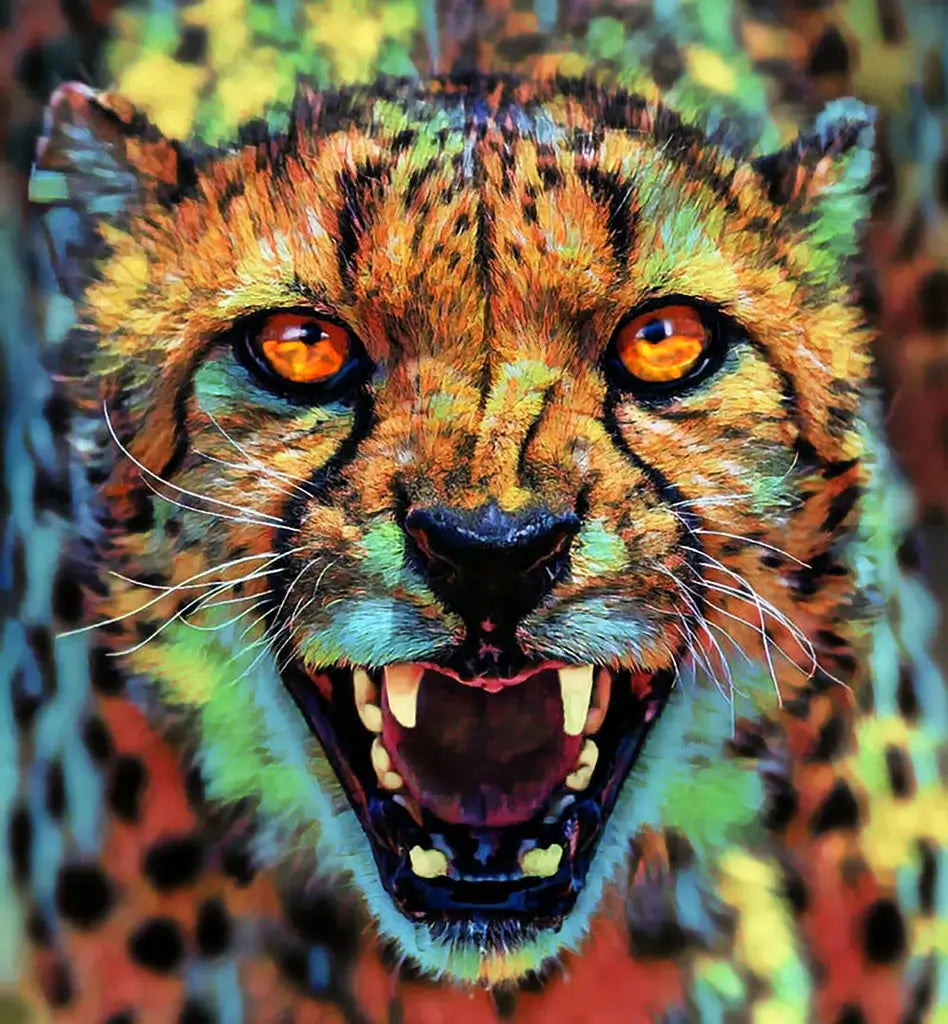
Source: Astoko, Big Cat Cheetah, Deviantart, https://www.deviantart.com/astoko/art/Big-Cat-Cheetah-Colorful-718290526
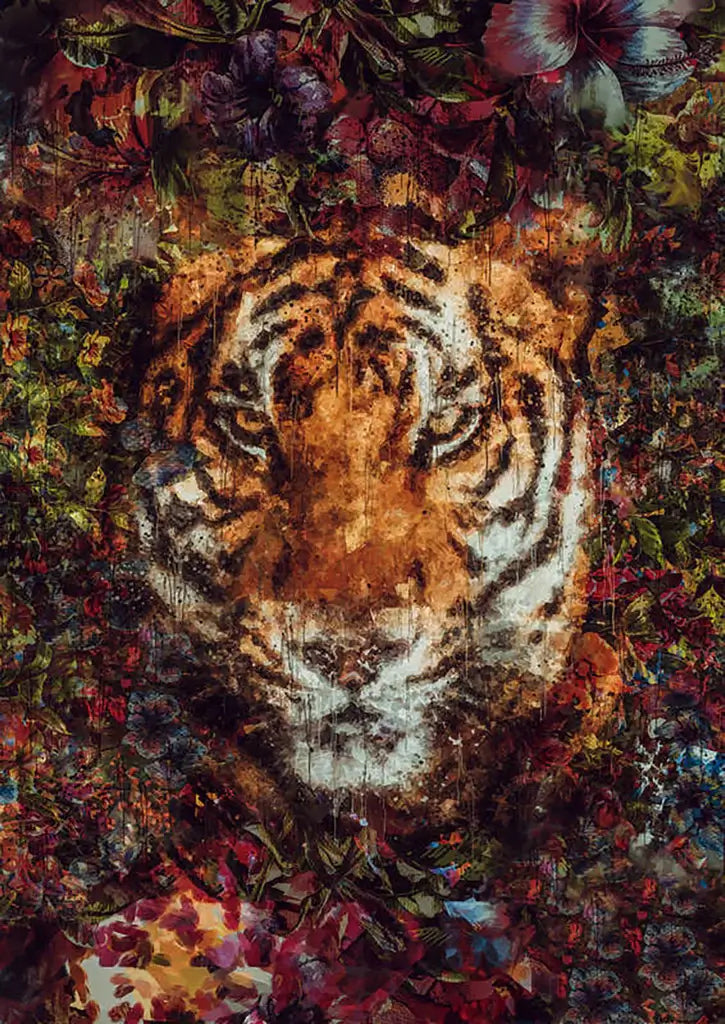
Source: Andrejzt, Tiger, Deviantart, https://www.deviantart.com/andrejzt/art/Tiger-913505793
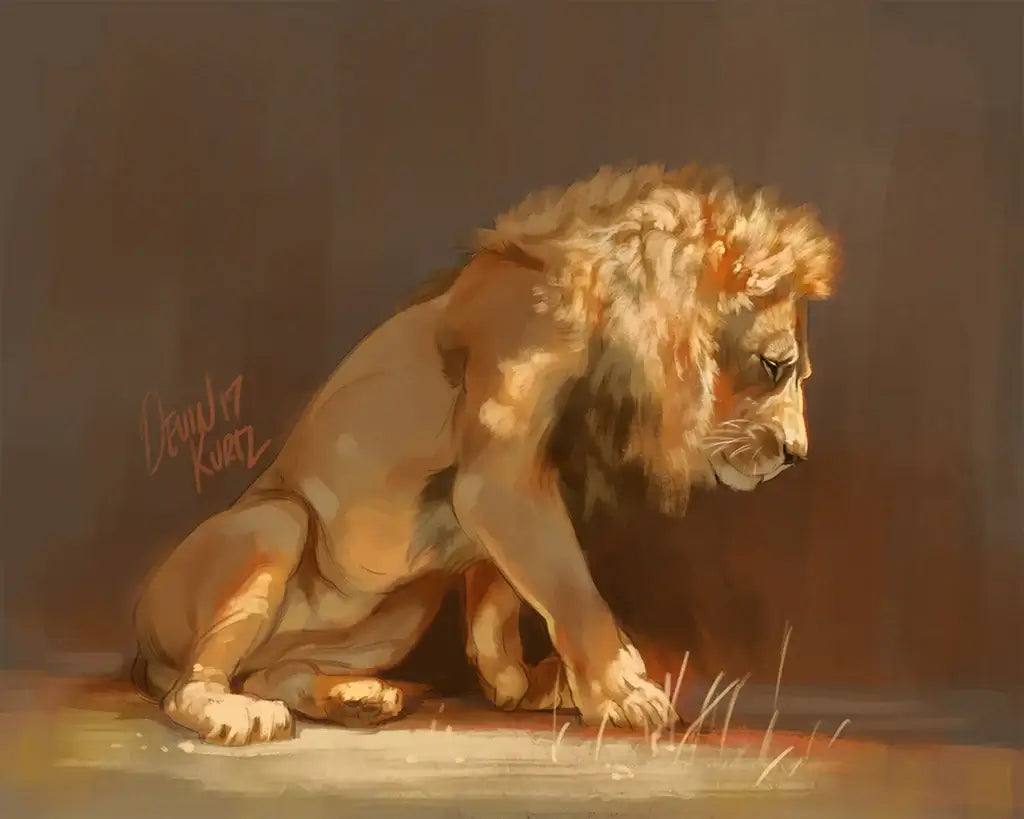
Source: Tamberella, Deviantart, https://www.deviantart.com/tamberella/art/Lion-Sketchy-Paint-June-2-684183787
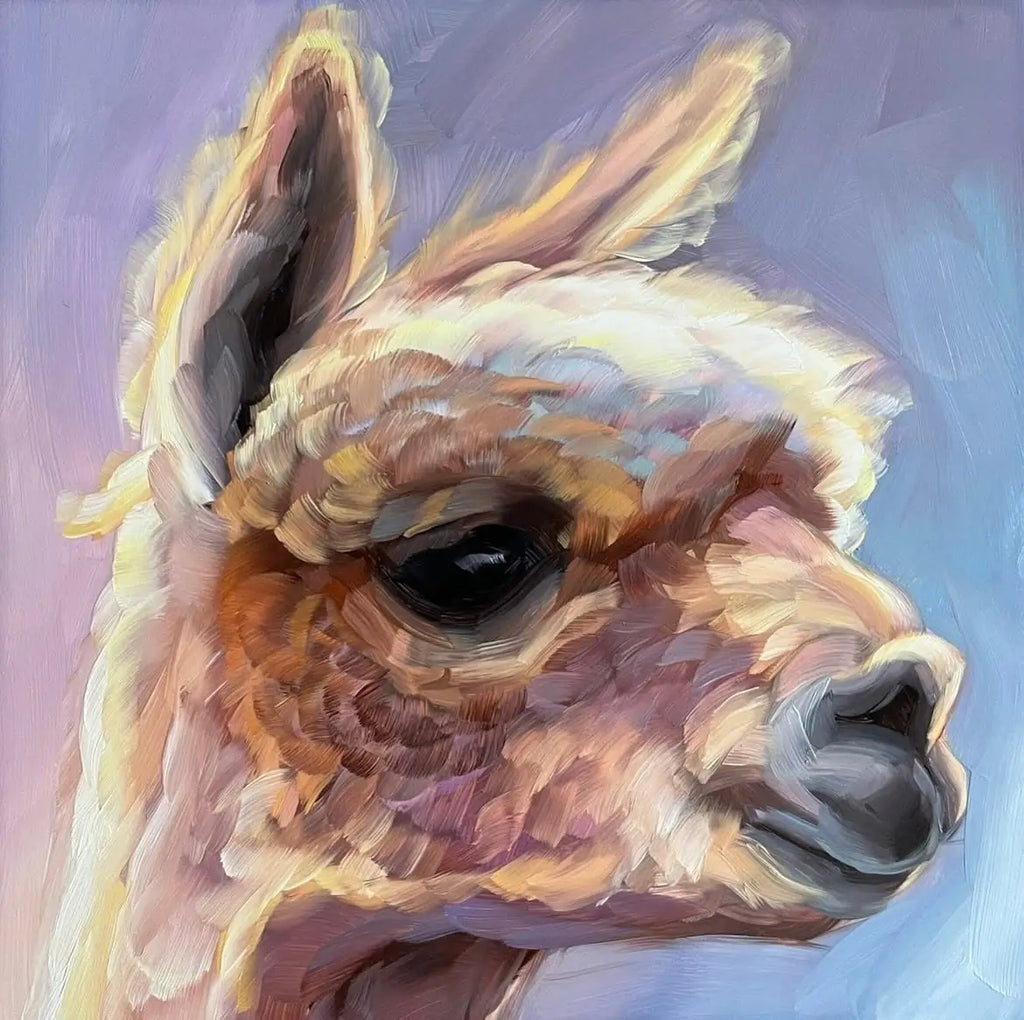
Source: Instagram, https://www.instagram.com/p/DBeEkq8u99S/
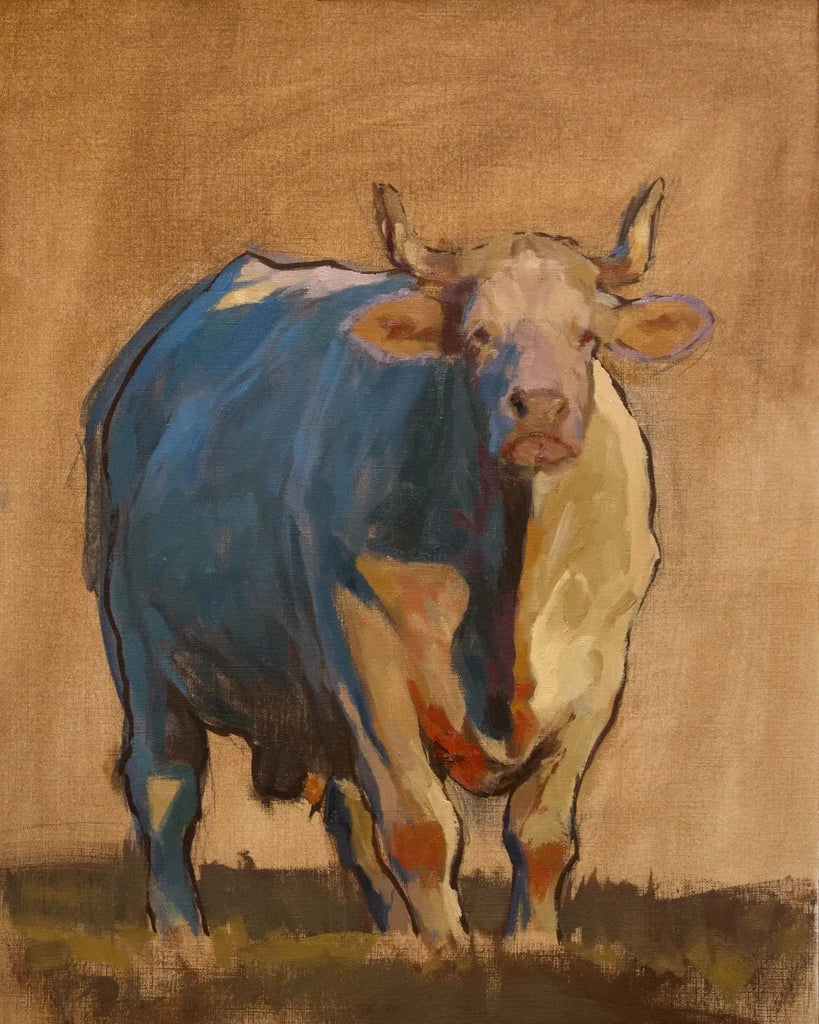
Source: Sergio Vallés, Instagram, https://www.instagram.com/p/C-I50p1qoeI/
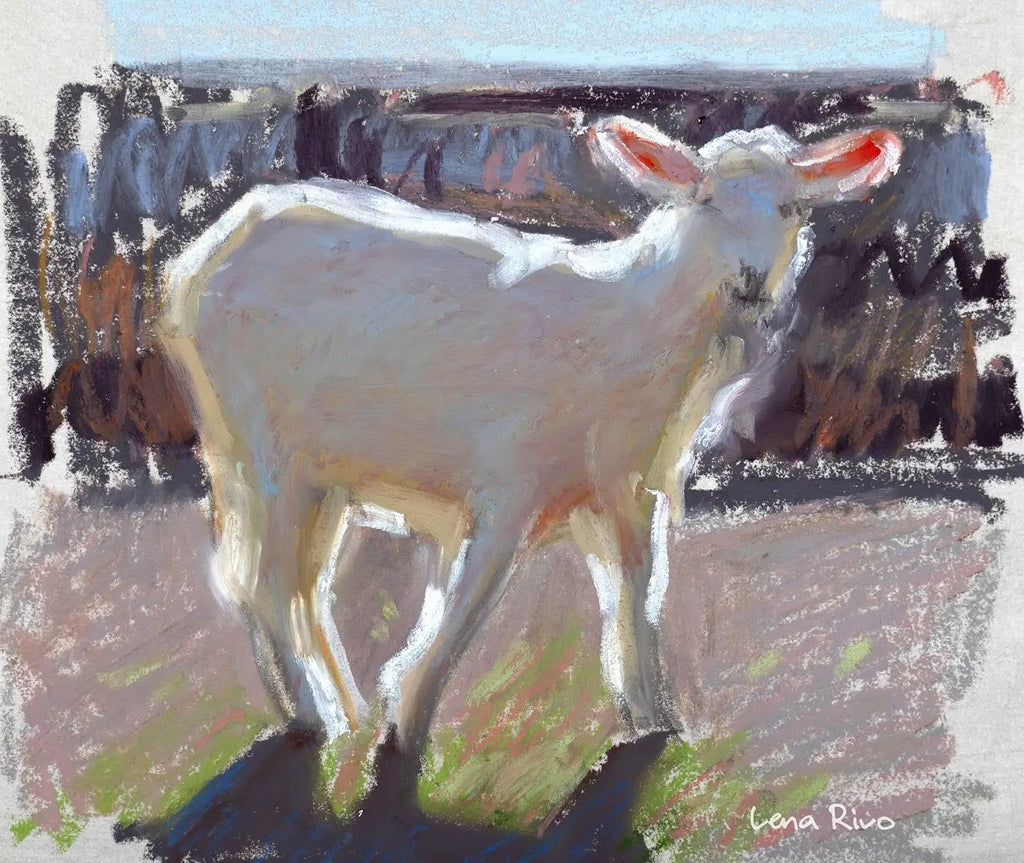
Source: Lena Rivo, Instagram, https://www.instagram.com/p/C-NS6H_M5Df
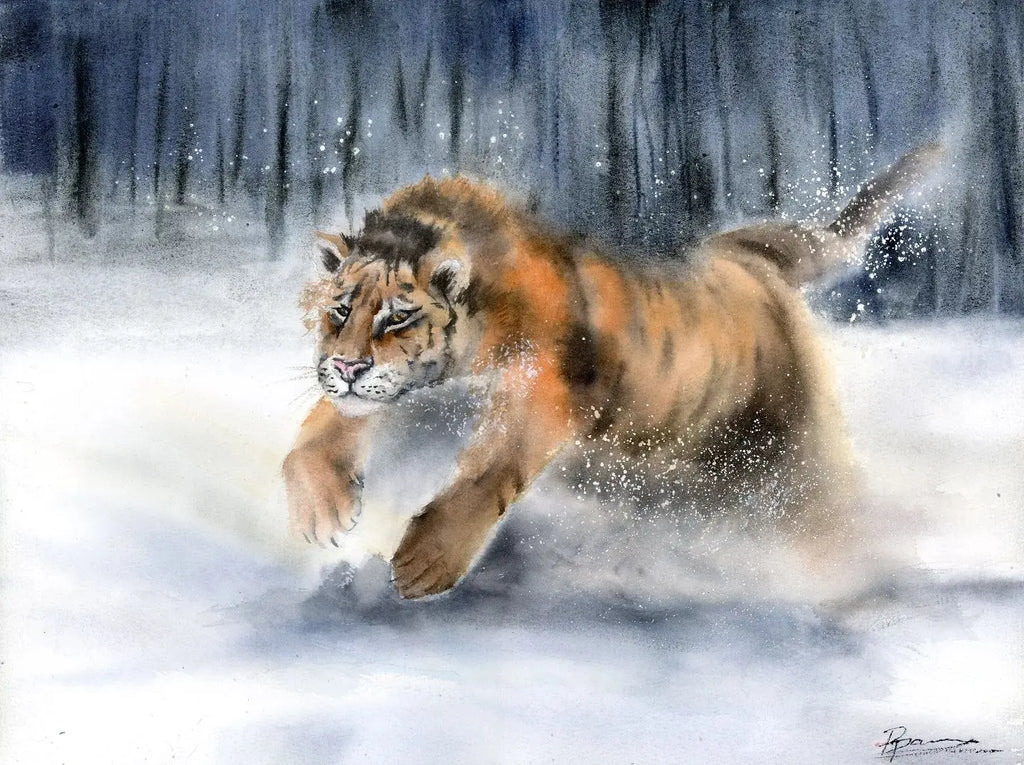
Source: Olga Tchefranov, Tiger, Instagram, https://www.instagram.com/p/C_aNc4QsrN4/
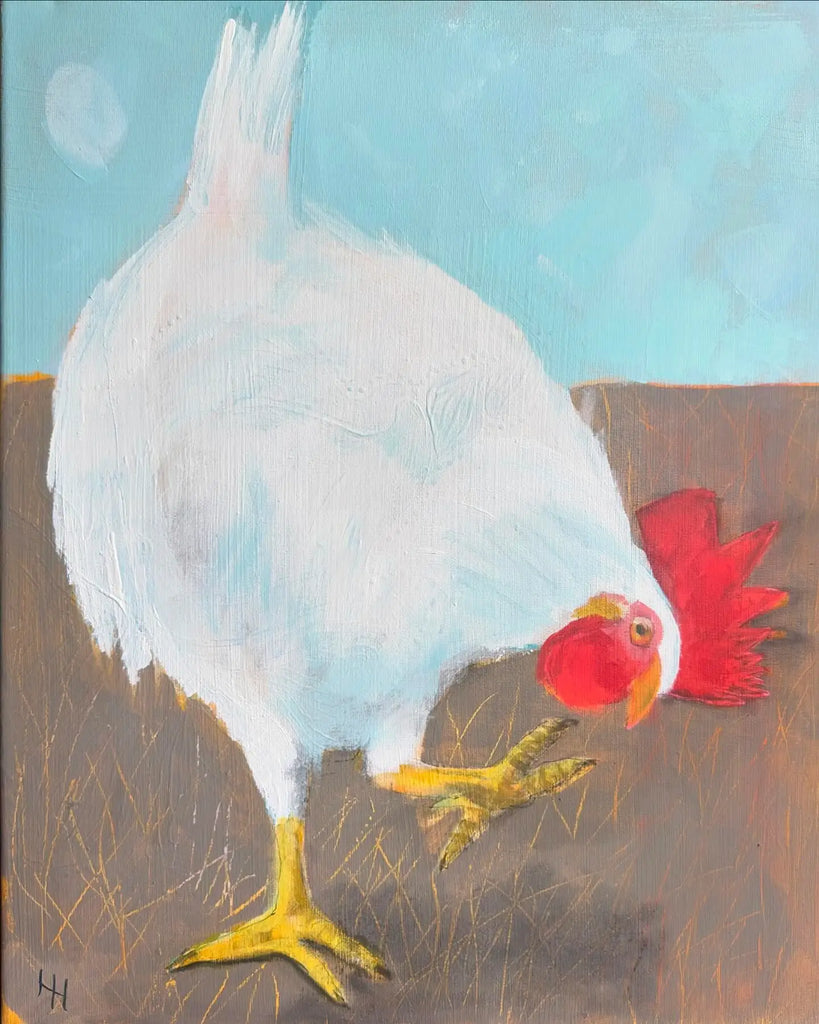
Source: Heikesessalines, Chicken No. 4, Instagram, https://www.instagram.com/p/C8W1zkpNJL2/
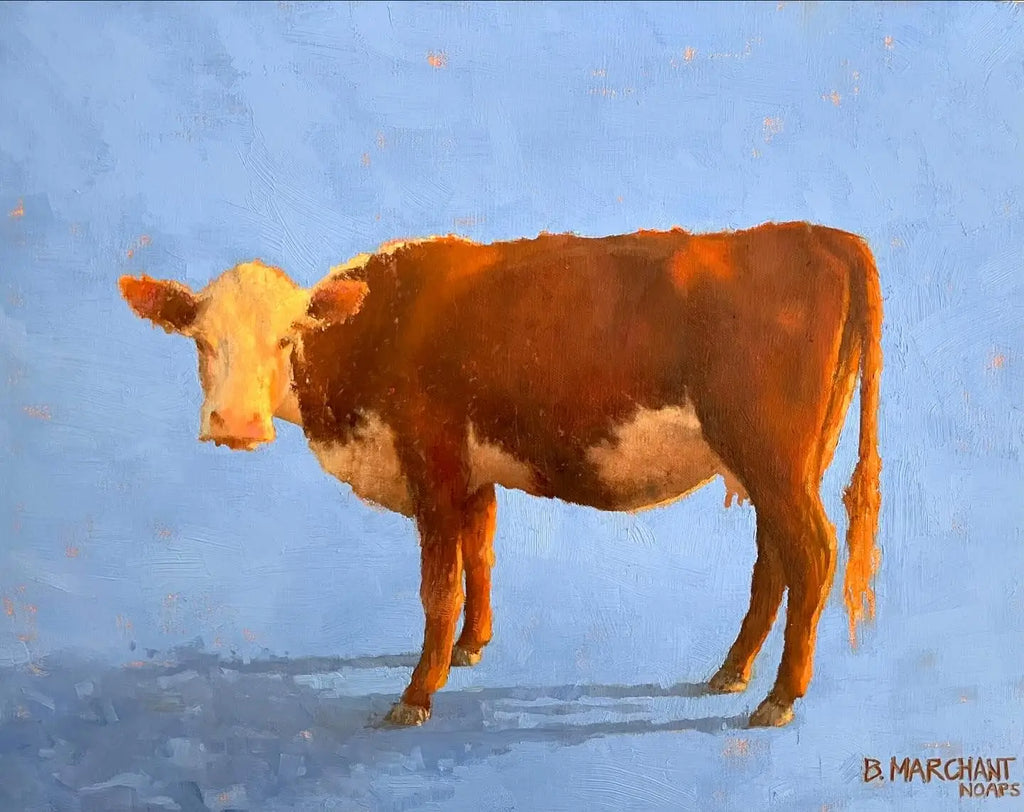
Source: Beth Marchant, Light on a Cow with Blue Background, Instagram, https://www.instagram.com/p/C8fDiNKOmGT/
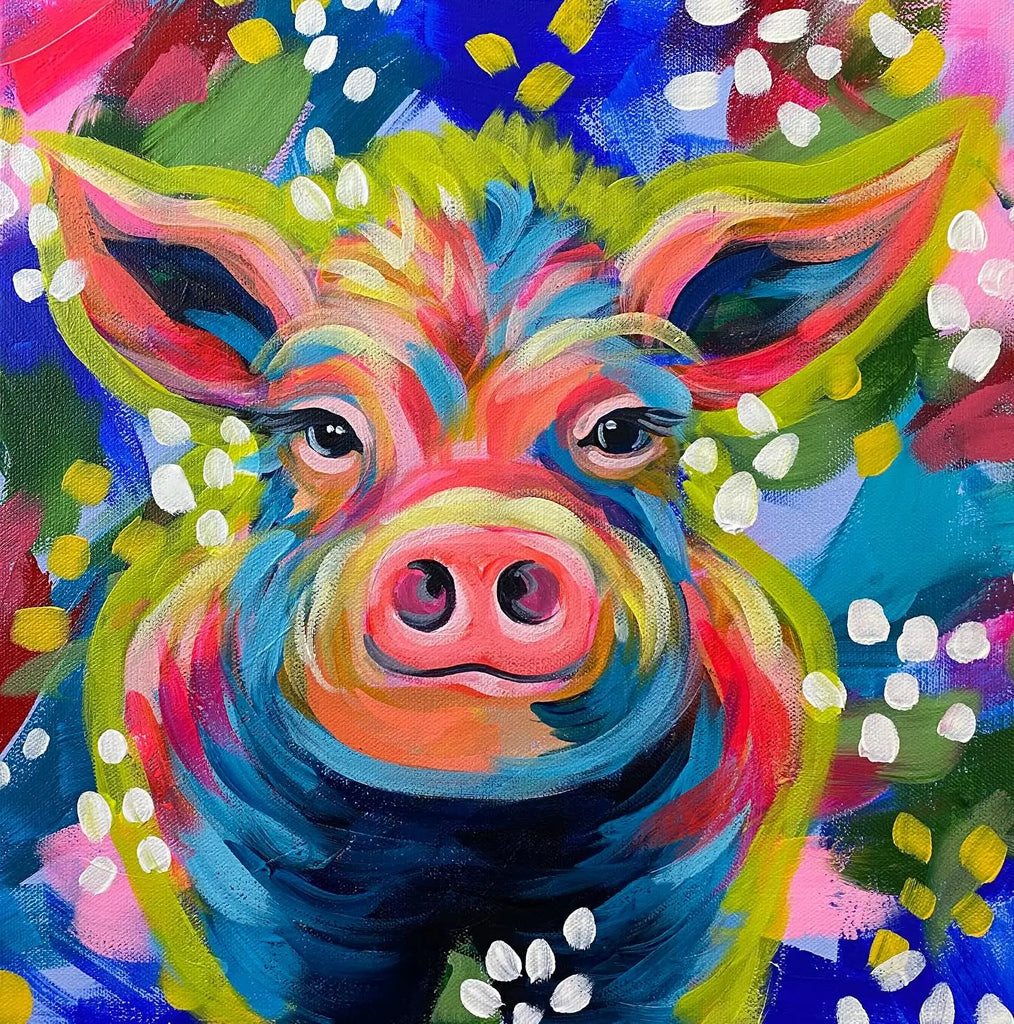
Source: Kim Cook, Piggy, Instagram, https://www.instagram.com/p/C_d9uLDP_rd/
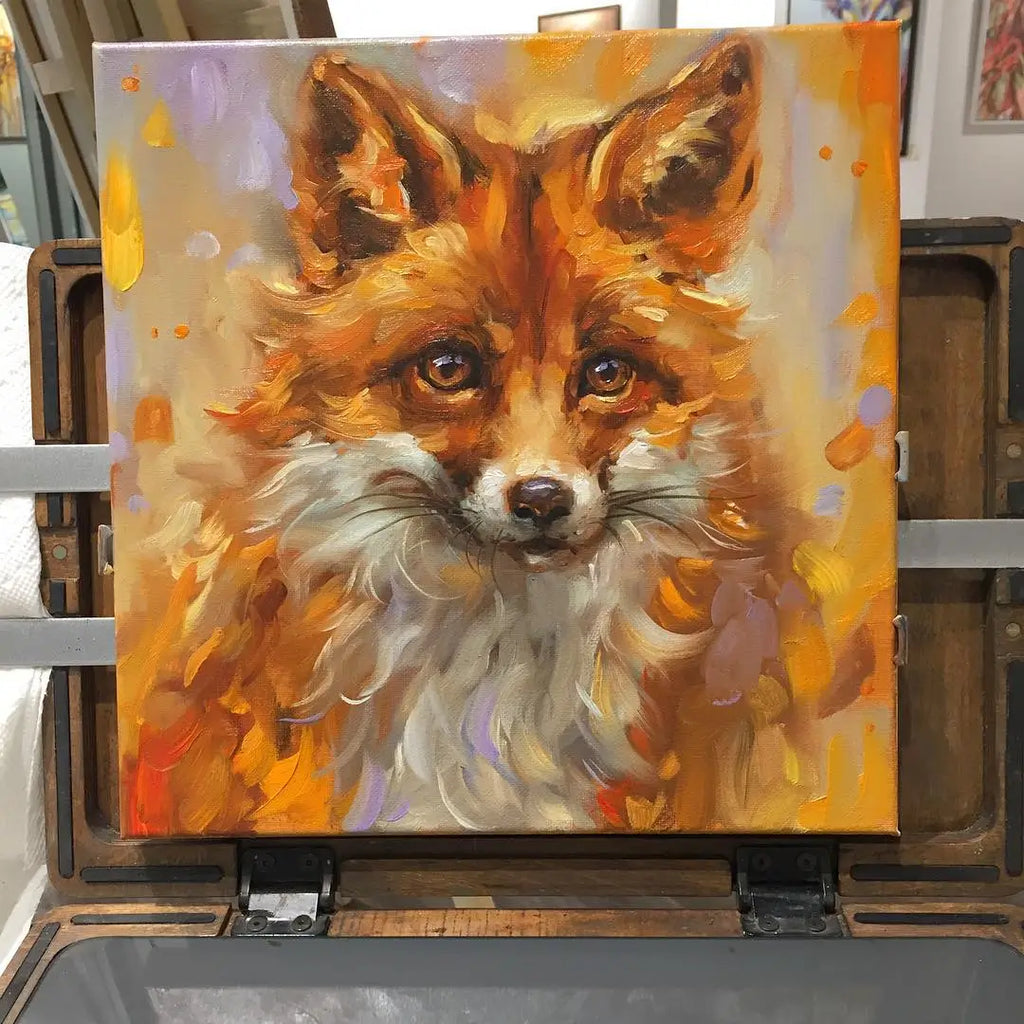
Source: Elena Bushan, Instagram, https://www.instagram.com/p/Buzl6Z6hEHe
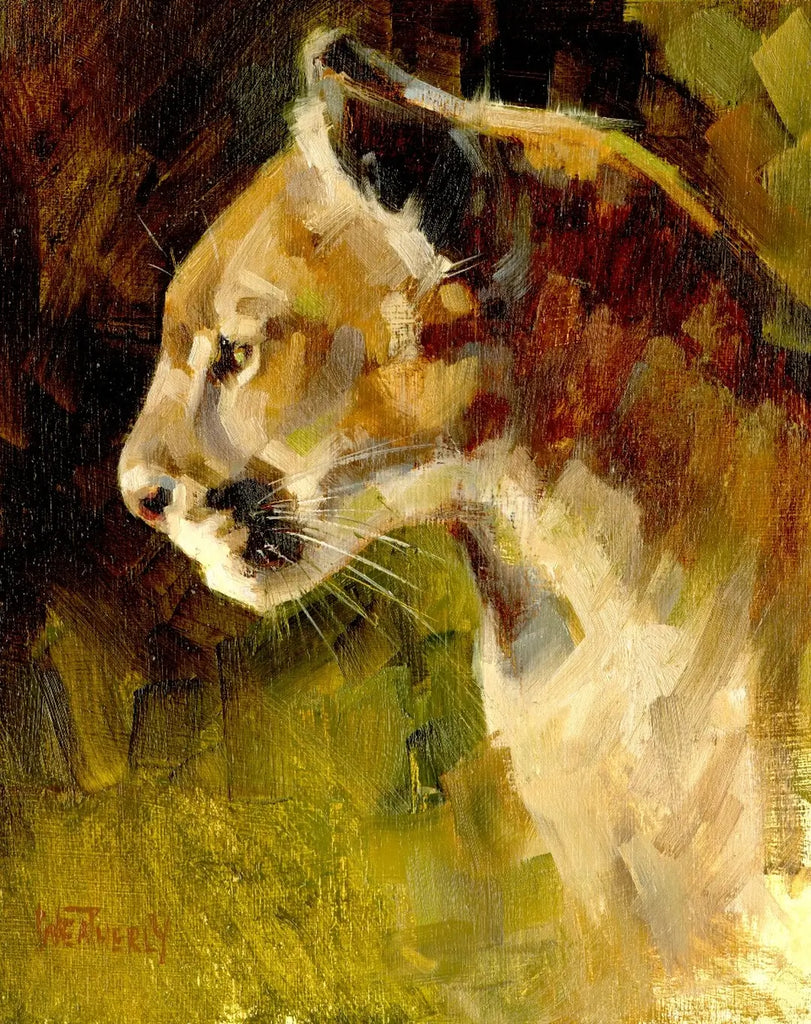
Source: Joe Weatherly, Instagram, https://www.instagram.com/p/DBb5G_Yy7IE/
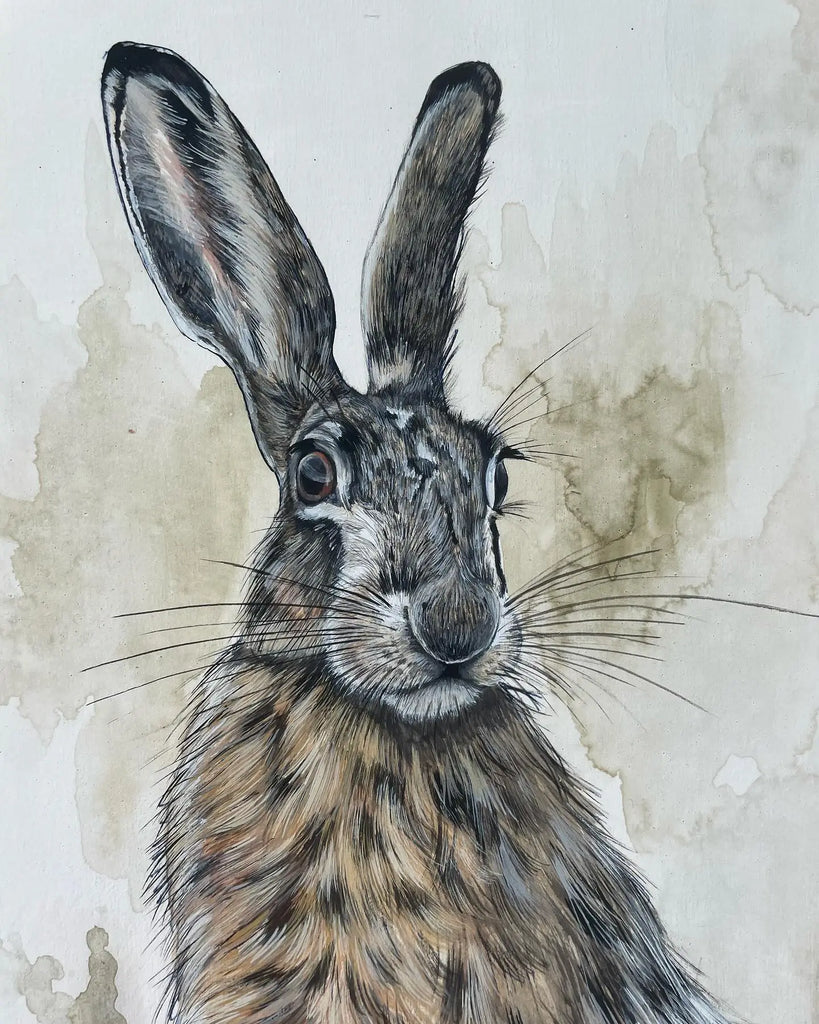
Source: Laura Rossi, Instagram, https://www.instagram.com/p/C_yZptzNphk/
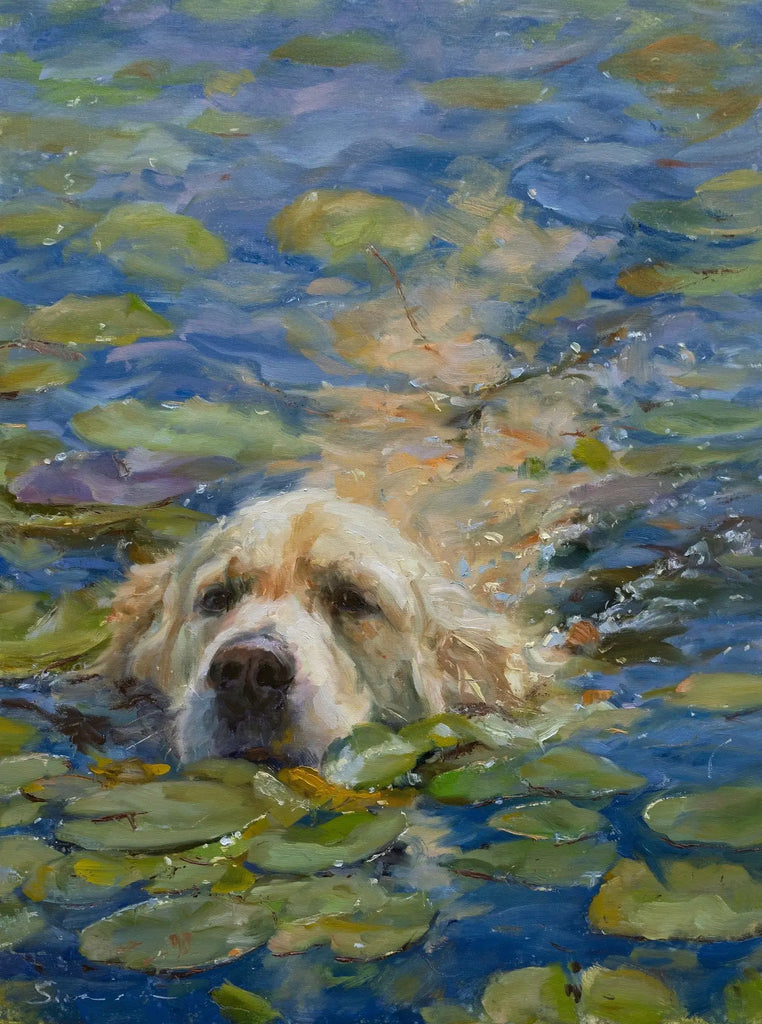
Source: James Swanson, Water Lily Dog, Instagram, https://www.instagram.com/p/C6-Mg5KN-cp/
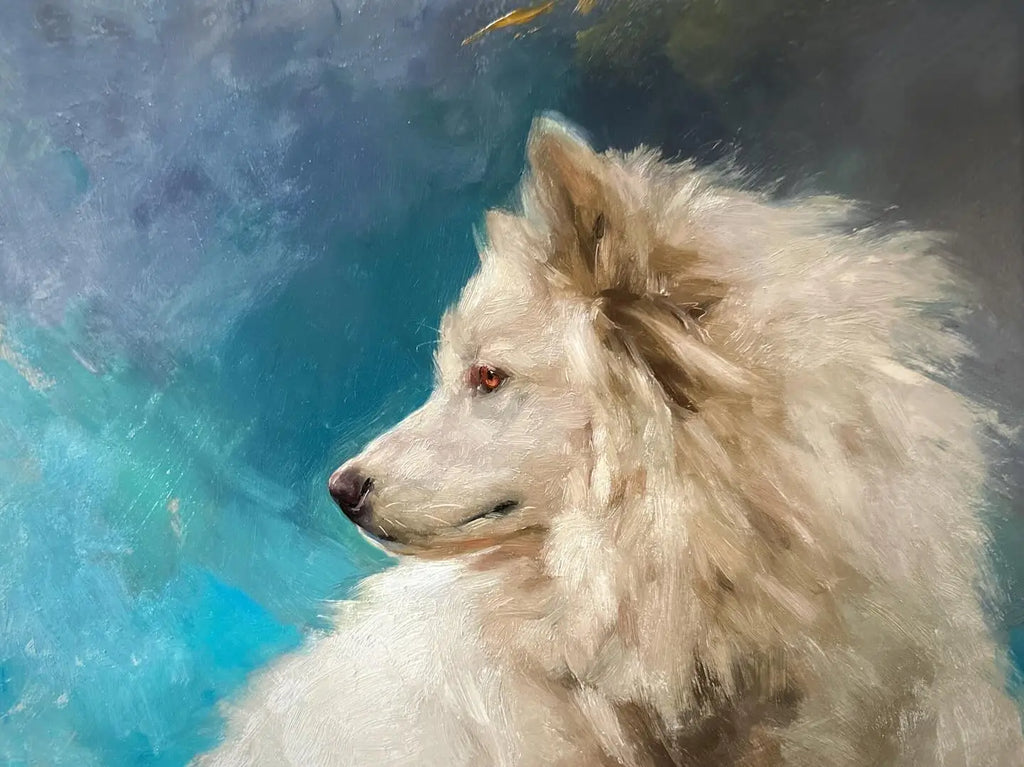
Source: Jennifer Gennari, Instagram, https://www.instagram.com/p/C-xZ3B4xSKV/
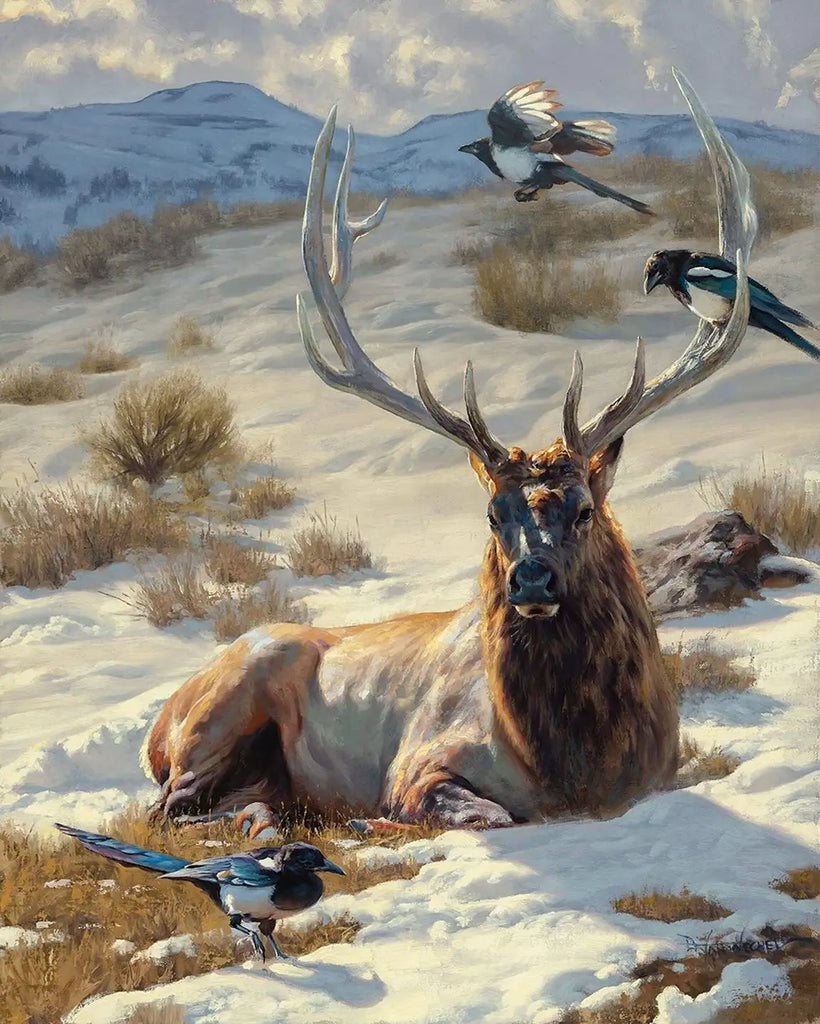
Source: Dustin Van Wechel, Warm Tidings, Instagram, https://www.instagram.com/p/C_B51-oSQXX/
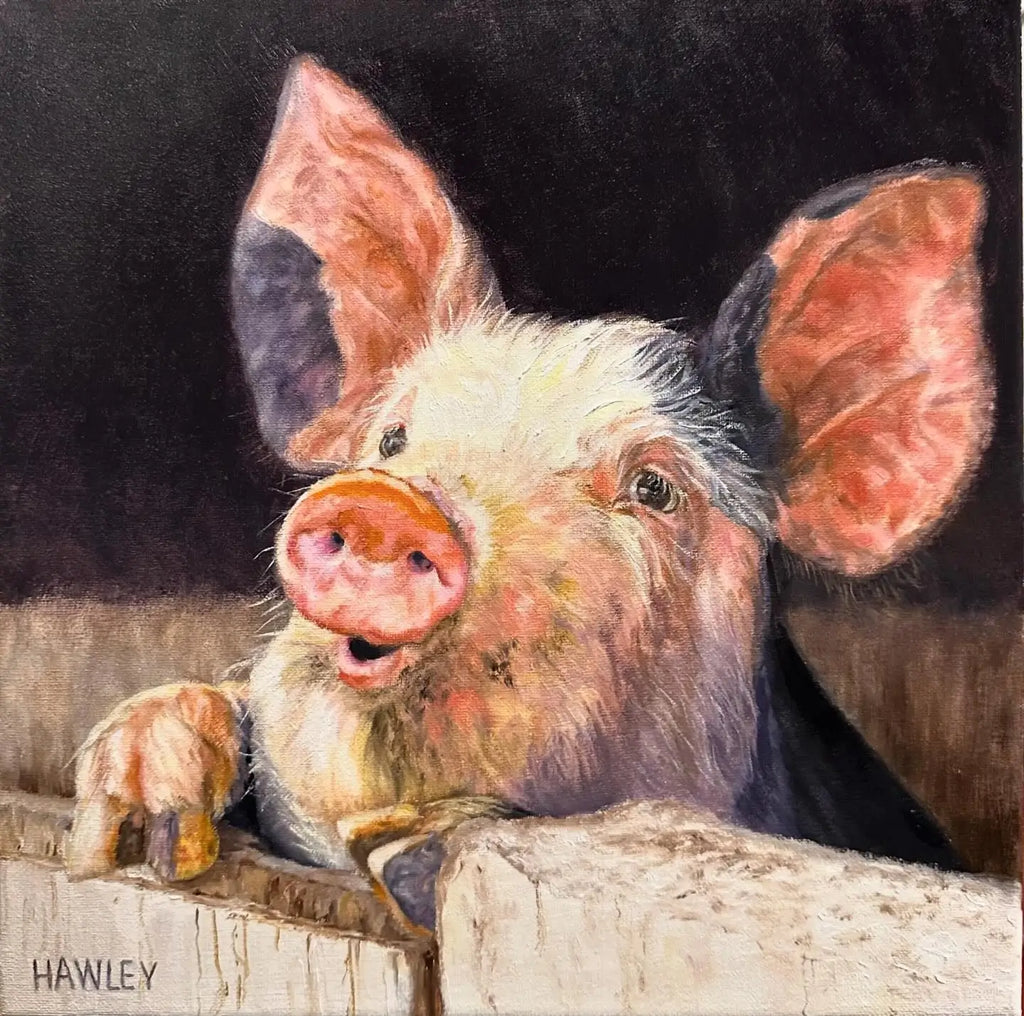
Source: Heather Hawley, Pig Pen, Instagram, https://www.instagram.com/p/C4HG1fNv3Su/
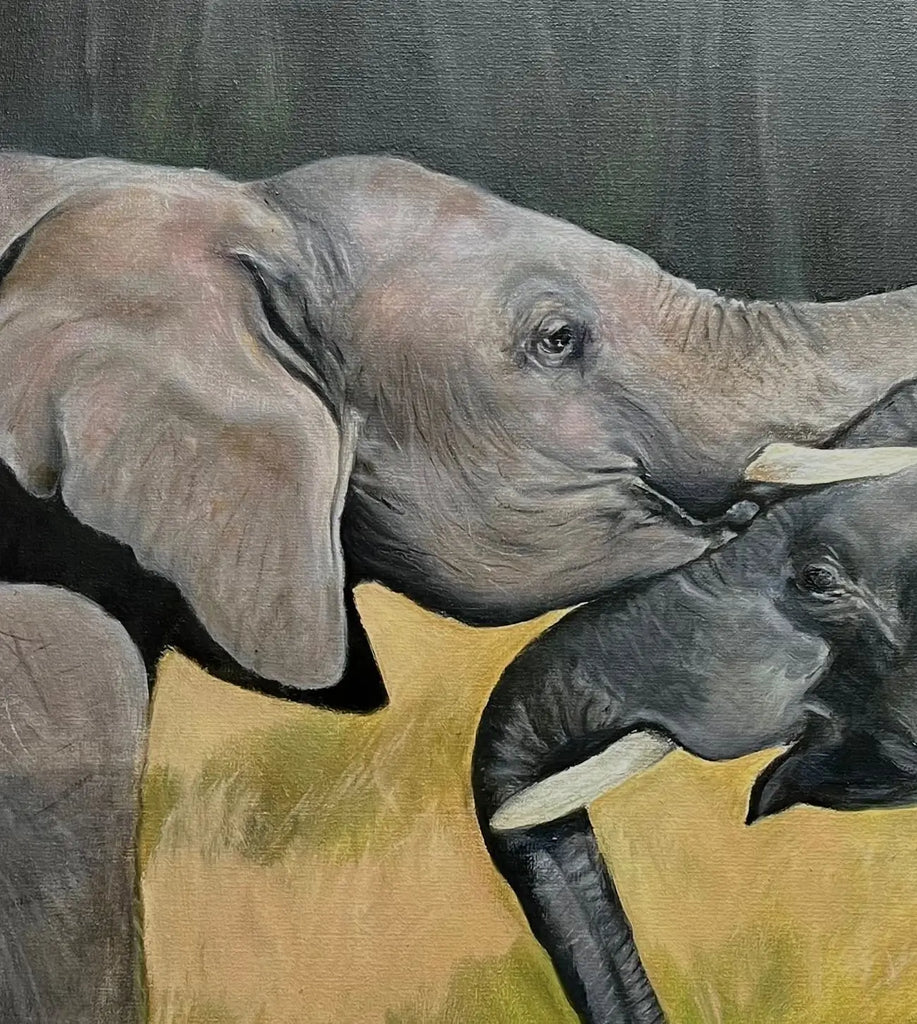
Source: Emily L Cassidy, Instagram, https://www.instagram.com/p/CoZu4Q_uLSD/
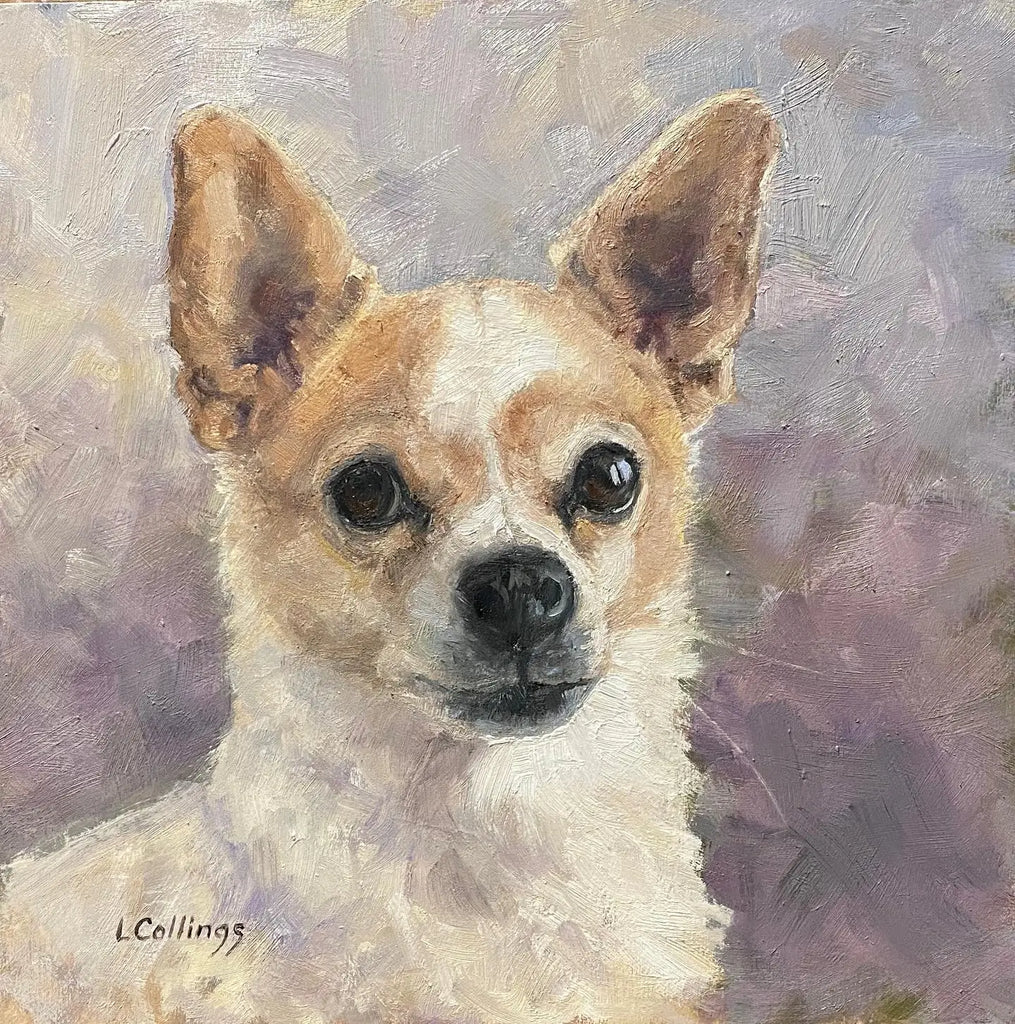
Source: Lucy Collings, Instagram, https://www.instagram.com/p/Clr3OyUpi6S/

Source: Marina Fadeev, Baby Bunnies, Instagram, https://www.instagram.com/p/C39V6fSS0co/
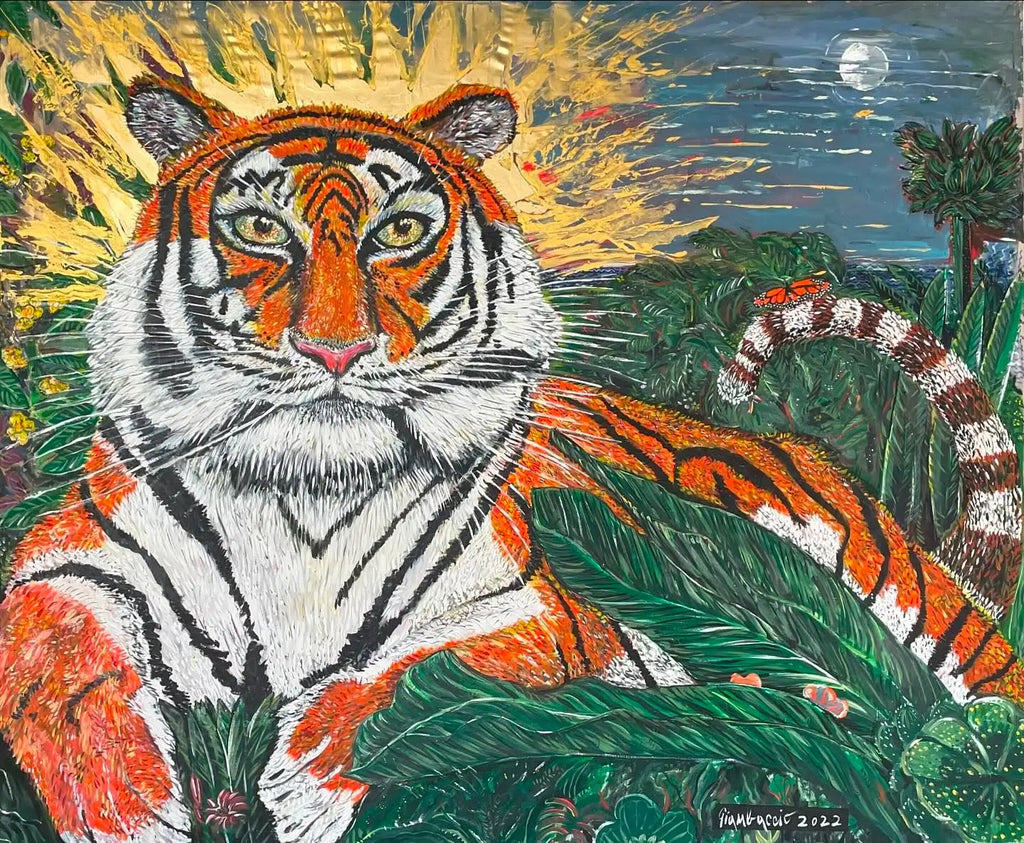
Source: Giambaccio, Fu-Hu, Instagram, https://www.instagram.com/p/C6Y4up8C-UI/
What Are Surreal Composition Ideas For Animal Painting?
Surreal composition can completely transform your approach to animal painting, turning familiar creatures into imaginative visual stories that feel dreamlike and unforgettable. Instead of sticking to realism, surreal ideas allow you to bend logic, scale, and environment to create artwork that sparks curiosity. If you want your animal painting to stand out, experimenting with surreal compositions is one of the most exciting directions you can take.
Play With Scale And Proportion
One of the easiest ways to introduce surrealism into animal painting is by altering scale. Imagine a giant butterfly hovering over a tiny city, or a miniature elephant resting on a human hand. Changing proportions instantly creates intrigue and gives your artwork a magical, almost otherworldly feel. This technique works especially well when combined with realistic details, making the contrast even more striking.
Blend Animals With Unexpected Elements
Surreal animal painting thrives on unexpected combinations. You can merge animals with natural elements like clouds, water, or trees, or even fuse them with mechanical or geometric shapes. A wolf formed from drifting smoke or a fish made of shattered glass creates a visual twist that keeps viewers engaged. These hybrids push creativity while still keeping the subject recognizable.
Create Dreamlike Environments
Instead of placing your subject in a natural habitat, try building a surreal setting around it. Floating islands, melting landscapes, or endless skies filled with unusual textures can elevate your animal painting into something more narrative-driven. The environment becomes part of the story, not just a backdrop, helping you communicate mood and emotion in a subtle way.
Use Symbolism And Hidden Meanings
Adding symbolic objects or visual metaphors can give your animal painting deeper meaning. For example, birds might represent freedom, while a deer surrounded by clocks could suggest the passage of time. These elements encourage viewers to interpret the artwork in their own way, making your composition feel more thoughtful and layered.
Experiment With Perspective And Framing
Surreal compositions often break traditional viewpoints. Try extreme close-ups, unusual angles, or framing your subject within unexpected shapes like portals or reflections. You can even create looping compositions where the animal interacts with itself in impossible ways. These perspective shifts make your animal painting feel dynamic and visually engaging without relying on complexity alone.
What Storytelling Concepts Make Animal Painting Feel Cinematic?
Creating a cinematic feel in animal painting is all about turning a single frame into a moment that feels alive, emotional, and full of narrative tension. Instead of simply depicting an animal, you are crafting a scene that feels like it belongs in a film—something that hints at what just happened and what might happen next. This approach makes your animal painting more immersive, drawing viewers into a story rather than just an image.
Build A Clear Narrative Moment
Cinematic animal painting often captures a precise moment in time. Think of a wolf pausing mid-step in a snowy forest, or a hawk diving just before impact. These “in-between” moments create suspense and invite viewers to imagine the sequence around it. The key is to avoid static poses and focus on action or anticipation that feels like part of a larger story.
Use Dramatic Lighting Like A Film Scene
Lighting plays a major role in cinematic storytelling. Strong contrasts, backlighting, or spotlight effects can instantly add drama to your animal painting. A lion emerging from shadows or a fox lit by a warm sunset glow creates mood and emotional depth. Light should guide the viewer’s eye while reinforcing the tone of the scene.
Design The Environment As A Story Element
In cinematic animal painting, the background is never just decoration. It should support the narrative. Stormy skies, foggy forests, or abandoned ruins can all suggest context and emotion. For example, a lone deer in a misty landscape can evoke mystery or isolation. The environment becomes a silent character that enhances the storytelling.
Focus On Emotion And Expression
Even without human features, animals can express powerful emotions through posture, gaze, and movement. A tense stance, lowered head, or intense eye contact can communicate fear, strength, or curiosity. In animal painting, these subtle cues help create a connection between the viewer and the subject, making the scene feel more cinematic and engaging.
Frame The Scene Like A Movie Shot
Composition is what ties everything together. Think of your animal painting as a camera frame. Use techniques like wide-angle views for epic scenes or close-ups for emotional impact. Placing your subject off-center, adding foreground elements, or creating depth with layers can make the artwork feel more dynamic and visually rich.
What Are Dreamlike Landscape Ideas To Pair With Animal Painting?
Pairing dreamlike landscapes with animal painting is one of the most exciting ways to turn a simple subject into a surreal visual story. Instead of placing animals in predictable habitats, you can design imaginative worlds that amplify mood, symbolism, and creativity. These landscapes act as emotional backdrops, transforming your animal painting into something immersive, poetic, and visually unforgettable.
Floating Worlds And Weightless Environments
Imagine animals standing on drifting islands, walking across clouds, or surrounded by fragments of land suspended in midair. These floating environments instantly create a sense of wonder and freedom. In animal painting, placing a fox on a hovering rock or a herd of deer among sky-bound terrain removes the limits of reality and invites viewers into a peaceful, dreamlike dimension.
Endless Horizons And Minimalist Spaces
Sometimes, less creates more impact. Vast, open landscapes with soft gradients, endless skies, or reflective surfaces can make your animal painting feel calm and introspective. A lone animal in an infinite desert of pastel tones or mirrored water creates a quiet, emotional scene. These minimalist dreamscapes allow the subject to stand out while surrounding it with a sense of mystery.
Celestial And Cosmic Settings
Dreamlike animal painting often explores the universe as a backdrop. Think glowing constellations, swirling galaxies, or moons hanging low in oversized proportions. An owl flying through a star-filled sky or a wolf howling beneath a surreal planetary horizon adds a magical, almost mythological tone. Cosmic landscapes bring scale and imagination together in a striking way.
Nature With A Surreal Twist
You can take familiar natural environments and push them into dream territory by altering colors, shapes, or physics. Forests with glowing trees, waterfalls flowing upward, or oceans with luminous waves can redefine how nature feels. In animal painting, placing a tiger in a neon jungle or a bird in a forest of oversized flowers creates a balance between reality and fantasy.
Layered Depth With Fog, Light, And Reflections
Atmospheric effects play a huge role in building dreamlike landscapes. Soft fog, glowing light rays, and reflective surfaces can add layers of depth and mood. A stag emerging through mist or a swan reflected in a glowing lake creates a sense of quiet storytelling. These elements soften the scene while making your animal painting feel immersive and cinematic.
What Are Monochrome Concepts That Still Feel Rich In Animal Painting?
Monochrome might sound limiting at first, but in animal painting, it can become a powerful creative playground. Working with a single color—or a tight tonal range—pushes you to focus on depth, texture, and emotion rather than relying on vibrant palettes. When done right, monochrome animal painting feels bold, sophisticated, and surprisingly full of life. It is all about how you use contrast, detail, and atmosphere to create richness without overwhelming the viewer.
Build Depth Through Tonal Layering
A rich monochrome animal painting depends on how well you handle light and dark values. Instead of flat shading, layer multiple tones of the same color to sculpt the form. Deep shadows, mid-tones, and subtle highlights can bring out the structure of fur, feathers, or scales. This layered approach gives your subject dimension and makes the artwork feel dynamic, even without multiple colors.
Focus On Texture As The Main Attraction
When color is limited, texture takes center stage. Use brush techniques, strokes, or even mixed media to create tactile detail. Rough, scratchy marks can suggest coarse fur, while smooth gradients can mimic soft feathers. In animal painting, these textures become the visual interest that keeps viewers engaged, replacing the role that color would normally play.
Use High Contrast For Dramatic Impact
Monochrome compositions thrive on contrast. Placing bright highlights against deep shadows can create a striking, almost cinematic effect. Imagine a black panther emerging from darkness with sharp highlights on its face—this kind of contrast instantly adds intensity. Strong value differences help guide the eye and give your animal painting a bold, memorable presence.
Introduce Minimal Accent Elements
Even within a monochrome scheme, you can subtly break the uniformity. A slight variation in tone or a tiny hint of another shade can add intrigue without overpowering the concept. For example, a mostly grayscale animal painting with a faint warm glow in the eyes or background can create a focal point while maintaining the overall minimal aesthetic.
Play With Negative Space And Composition
Monochrome animal painting benefits greatly from thoughtful composition. Leaving areas of empty or lightly detailed space allows the subject to breathe and stand out. Negative space can frame the animal in a clean, modern way, while also adding balance. This approach keeps the artwork visually rich without needing complex color schemes.
What Lighting Setups Make Animal Painting Feel Dramatic And Moody?
Lighting can completely reshape the personality of an animal painting, turning a calm subject into something intense, mysterious, or emotionally charged. Instead of simply illuminating your subject, dramatic lighting creates tension, highlights storytelling, and controls how the viewer experiences the scene. If you want your animal painting to feel moody and unforgettable, it is all about choosing lighting setups that guide attention and build atmosphere in unexpected ways.
Use Rim Lighting To Carve Out The Silhouette
Rim lighting focuses on outlining the edges of your subject with a thin glow, usually from behind or the side. In animal painting, this technique can make fur or feathers shimmer while leaving most of the body in shadow. A wolf outlined by moonlight or a bird glowing at the edges against a dark sky creates a striking silhouette that feels both elegant and mysterious.
Experiment With Broken Light Through Obstacles
Instead of clean, direct light, try filtering it through objects like leaves, branches, or even abstract shapes. This creates scattered highlights and irregular shadows across the animal’s body. In animal painting, broken light adds visual complexity and makes the scene feel alive, as if the subject is moving through a real environment filled with depth and motion.
Create Spotlight Isolation For The Subject
Imagine your animal placed in darkness, with a single focused beam of light hitting only a specific area—perhaps the face or upper body. This spotlight effect isolates the subject and builds intensity, almost like a stage performance. It works beautifully in animal painting when you want to emphasize emotion, posture, or a defining feature without distractions.
Use Gradient Lighting For Subtle Mood Shifts
Gradient lighting blends from light to dark smoothly across the canvas, creating a soft yet powerful atmosphere. For example, a background that transitions from warm light to deep shadow can wrap around the subject naturally. In animal painting, this setup feels immersive and allows you to control the emotional tone without harsh contrasts, making the scene feel quietly dramatic.
Combine Natural And Artificial Light Sources
Mixing different light types can create unique visual tension. Think of a fox illuminated by cool moonlight while also catching a faint warm glow from a distant lantern. This dual-light setup introduces contrast in both color and intensity, giving your animal painting a layered, cinematic quality that feels rich and intentional.
Conclusion
Animal painting thrives when you move beyond familiar approaches and start shaping scenes with intention and character. Small decisions—like how light falls, where the subject is placed, or how space is used—can completely change the feeling of your work. Instead of repeating safe ideas, focus on creating moments that feel specific and alive. Let each piece carry its own atmosphere, whether quiet, intense, or unexpected. Over time, this mindset helps your animal painting develop a stronger identity, where every composition feels purposeful, visually engaging, and distinctly your own.
Let Us Know What You Think!
Every information you read here are written and curated by Kreafolk's team, carefully pieced together with our creative community in mind. Did you enjoy our contents? Leave a comment below and share your thoughts. Cheers to more creative articles and inspirations!
Related Articles


Leave a Comment