
Warner Brothers Logo Design: History & Evolution
Image Courtesy of Warner Brothers
The Warner Brothers logo design is one of the most recognizable symbols in entertainment history. For more than a century, the iconic shield has introduced audiences to unforgettable films, television shows, and cultural moments. From classic black-and-white cinema to today’s blockbuster franchises, the evolution of the Warner Brothers visual identity reflects both artistic trends and technological innovation.
In this article, we explore how the Warner Brothers logo design has transformed over time while maintaining its core identity. The famous shield, bold lettering, and signature color palettes have each undergone subtle and dramatic changes, adapting to new eras without losing their timeless appeal. Every redesign tells a story—not just about graphic style, but about the studio’s ambition, creativity, and global influence.
Whether you are a design enthusiast, branding professional, or movie lover, understanding the history of the Warner Brothers logo design offers fascinating insight into how powerful visual branding shapes audience perception. Let’s take a closer look at how this legendary emblem evolved from a simple studio mark into a cinematic icon recognized around the world.
Warner Brothers Logo Design History
1923 - 1925
In the early days of Warner Bros., the company’s logo was more of an expression of text rather than a visual icon. Launched in the year of its registration, the original Warner Brothers logo design was simple yet impactful. The white background served as a canvas for the company's name, displayed in large letters that widened from the middle to the edge. Below this main text, a serif font line read "Classics of the Screen," a tagline that emphasized the quality and prestige of the studio's productions.
For graphic designers, this first Warner Brothers logo design might seem quite basic compared to later versions, but it's essential to recognize the context of the era. The 1920s marked a time of innovation and transition in film and design, and this straightforward approach mirrored the industry's early stage. The logo's clean lines and clear typeface conveyed a sense of straightforward elegance and focus on the content itself.
Image Courtesy of Warner Brothers
1925 - 1929
The years 1925 to 1929 saw a pivotal change in the Warner Brothers logo design. After being renamed Warner Brothers Productions, the firm's identity underwent a significant transformation. It was during this period that the famous shield appeared, quickly becoming an everlasting symbol for the company. The nickname "Brain Shield" stuck, and the emblem began to take on a more tangible identity.
The upper area inside the shield featured a monochrome image of the house where the film studio was located, sketched with thin black lines on a white background. Below the image, the sharp, pointed abbreviation "WB" sat, flanked by a small strip resembling a miniature rectangle. This addition of visual elements gave the Warner Brothers logo design a more complex and engaging appearance. The integration of the shield and the studio building connected the logo with both the brand's identity and its physical location, enhancing its connection to audiences.
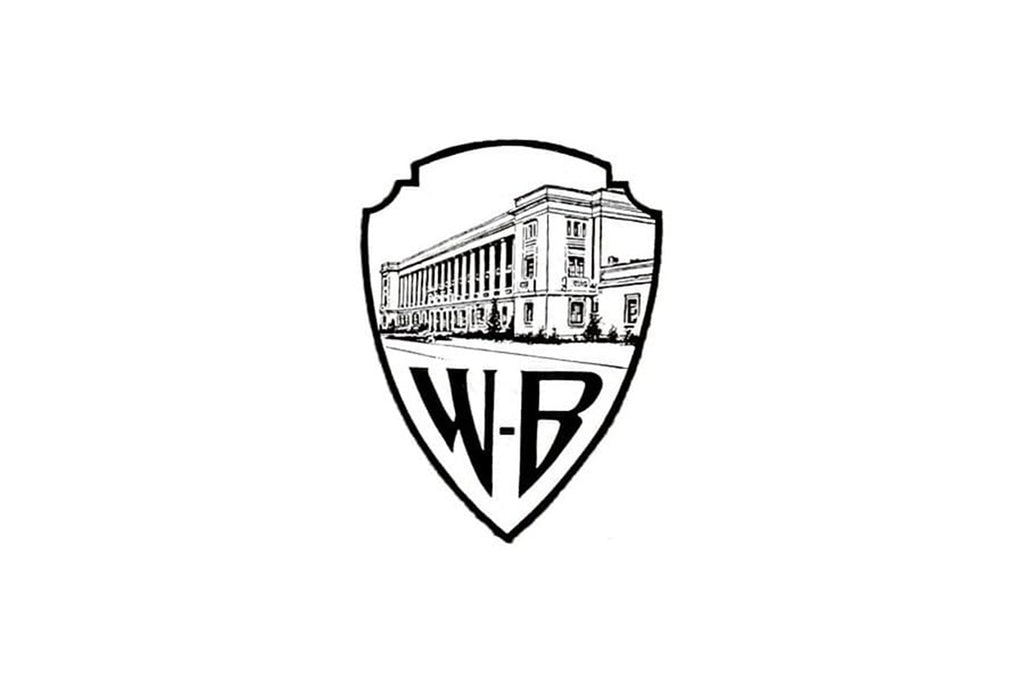
Image Courtesy of Warner Brothers
1929 - 1937
With another renaming in 1929, Warner Bros. Pictures Inc. launched a revised version of its shield logo. This update brought a sense of uniformity and solidity to the Warner Brothers logo design. The shield now featured a double edging, and the abbreviated company name occupied the entire space within, creating a more coherent and balanced appearance.
Above the shield, the arched text “WARNER BROS. PICTURES” was prominently displayed in capital letters, with the "Inc." written in lowercase. The choice of typography and the arrangement of these elements brought a symmetry and elegance to the design. The added details and refinements during this period reflect a maturing in both the entertainment industry and in graphic design practices. For design enthusiasts, the evolution of the Warner Brothers logo design from 1929 to 1937 signifies the growing importance of branding, not just as a visual marker but as an integral part of a company's identity and storytelling.
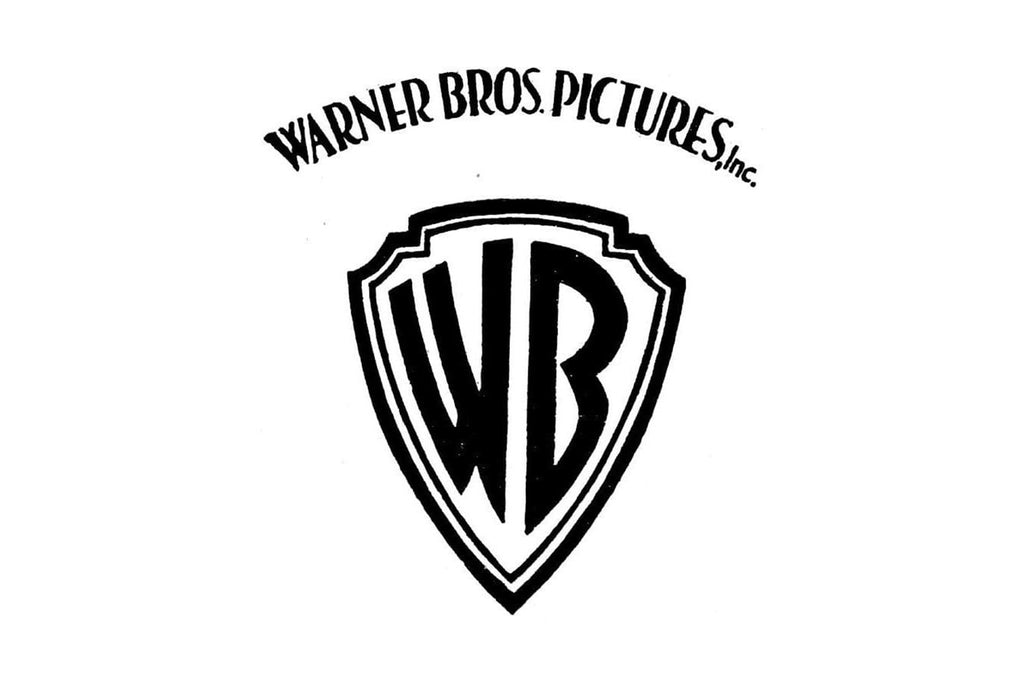
Image Courtesy of Warner Brothers
1934 - 1937
During 1934 to 1937, an intriguing shift took place in the Warner Brothers logo design. A parallel version of the logo emerged, unique and distinct from the more recognized shield design. This emblem, affectionately nicknamed the "Zooming WB Shield," was remarkable for its absence of the company's name and its introduction of narrower letters.
The defining feature of this iteration of the Warner Brothers logo design was the separating sign between the "W" and "B." It gave the emblem a fresh look and more pronounced clarity between the two primary letters. This design change represented a streamlined, modern approach and perhaps a desire to make the WB initials a standalone symbol for the brand.
The Zooming WB Shield might seem like a minor detour in the extensive history of Warner Brothers logo design, but it emphasizes the ongoing experimentation and evolution in visual branding. For graphic designers, it’s a reminder that sometimes a small tweak or parallel design can open up new visual avenues and possibilities.
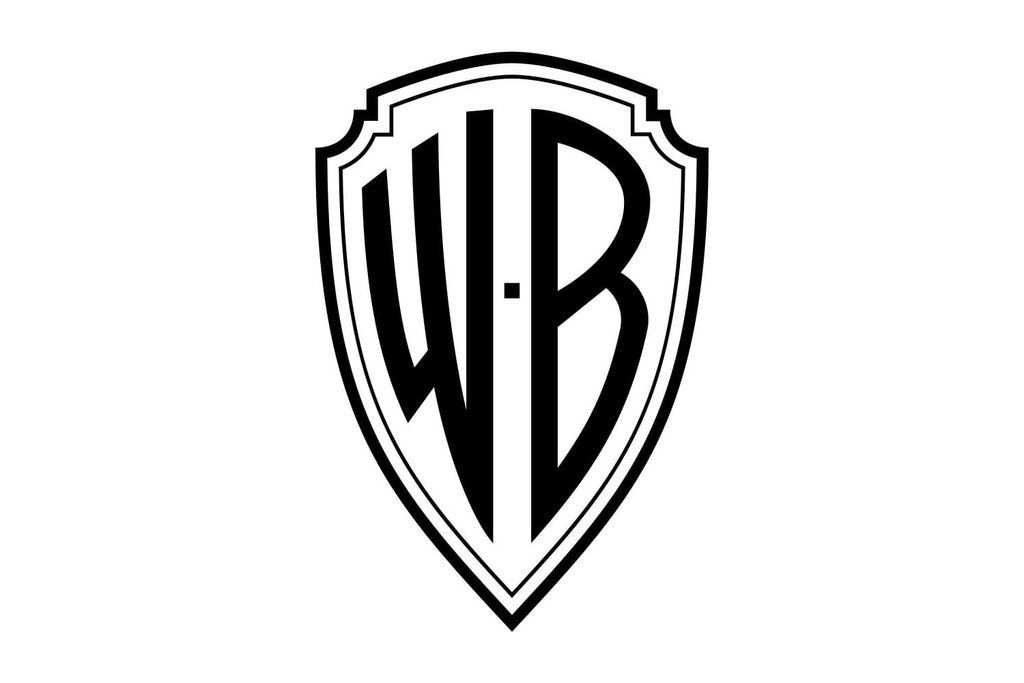
Image Courtesy of Warner Brothers
1937 - 1953
The Warner Brothers logo design took another significant turn from 1937 to 1953. The existing shield underwent an expansion, and one of its edging lines was removed, creating a cleaner and bolder look. But perhaps the most defining element of this era's logo was the addition of a banner running across the shield from left to right.
This banner, adorned with the words "WARNER BROS. PICTURES INC.," added a dynamic and layered dimension to the logo. It broke the previous shield's uniformity and brought a touch of complexity and movement to the design. This addition also reemphasized the full name of the company, reinforcing the connection between the brand and its iconic emblem.
The 1937 redesign of the Warner Brothers logo design showcases the fluidity of branding and the constant interplay between tradition and innovation. It's a fascinating chapter for graphic designers interested in how established symbols can be refreshed and reimagined without losing their essence.
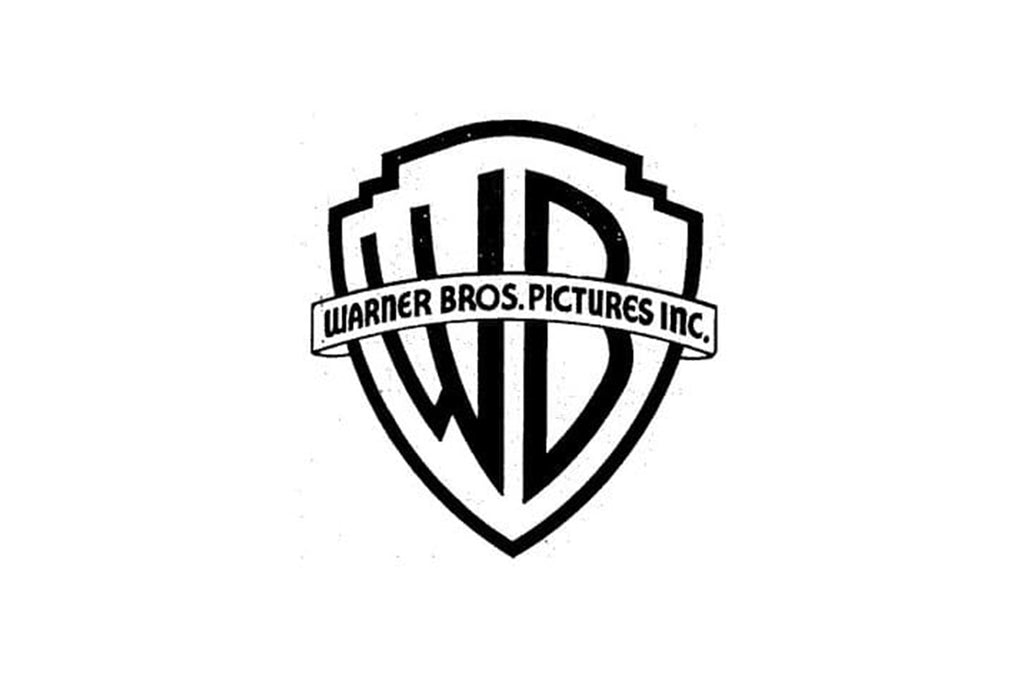
Image Courtesy of Warner Brothers
1948 - 1967
In the period between 1948 and 1967, another distinct Warner Brothers logo design was developed. This version featured a wide border and a uniquely ribbed surface on the shield, created by horizontal stripes. The interplay between white letters and black shadows provided a strong visual contrast, enhancing the logo's depth and texture.
This rendition of the Warner Brothers logo design is notable for its tactile quality. The ribbed surface gives the emblem a sense of physicality and weight, grounding it in a tangible reality. This textural experiment illustrates how visual design can engage not only the eyes but the imagination, encouraging the viewer to "feel" the surface.
For graphic designers exploring the Warner Brothers logo design history, this period underscores the importance of texture and contrast in creating engaging and multi-dimensional visual experiences. It's a lasting lesson in how design can appeal to multiple senses and enrich a brand's visual narrative.
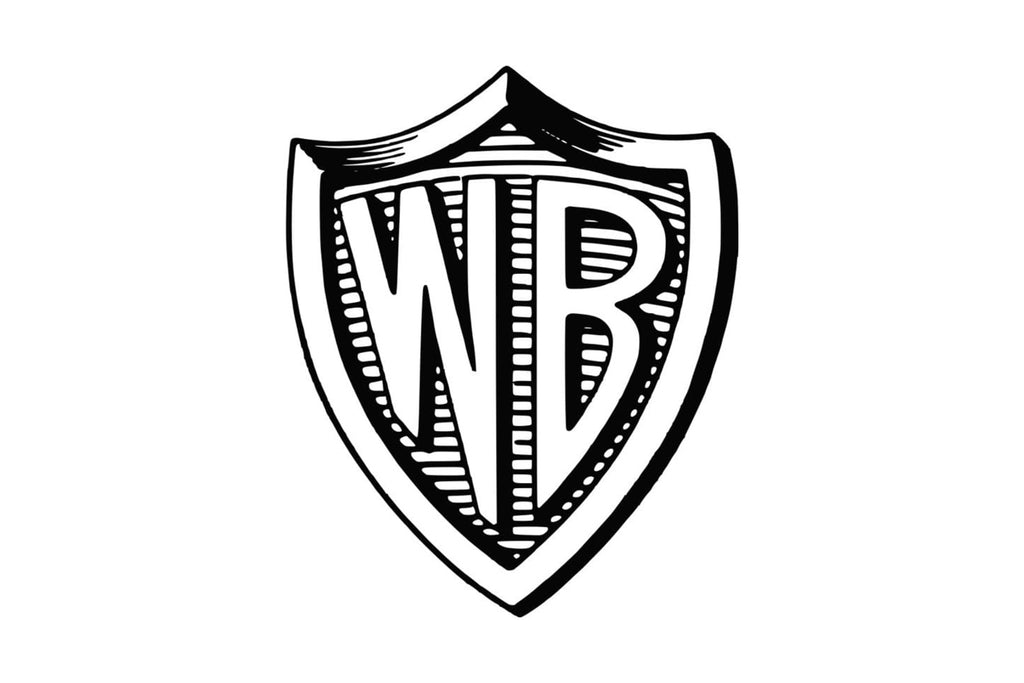
Image Courtesy of Warner Brothers
1953 - 2019
The journey of the Warner Brothers logo design between 1953 and 2019 is a testament to the logo's enduring appeal and adaptability. The period saw the return of the double edging of the shield, a classic feature that added depth and prominence. Inside, the shield was painted black, giving it a bold and striking presence.
This era of Warner Brothers logo design was marked by numerous reimaginings, mainly aimed at adapting the logo for different stationary media and printing needs. The logo didn't just return once; it returned several times, each instance reflecting a nuanced adaptation to the changing technologies and media landscape.
The evolution of the Warner Brothers logo design over these decades offers a rich exploration of how a brand can preserve its iconic visual identity while still adapting to new contexts and platforms. It serves as a valuable lesson for graphic designers on how to balance continuity and innovation, to maintain a connection with the past while moving forward.
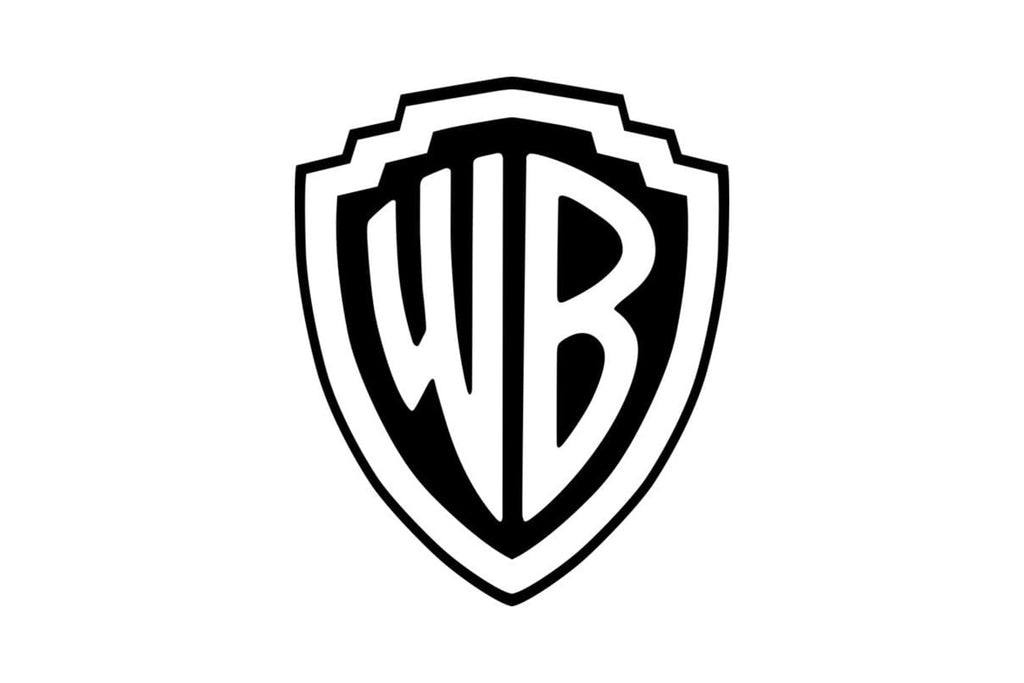
Image Courtesy of Warner Brothers
1967 - 1970
The period between 1967 and 1970 marked a dramatic shift in the Warner Brothers logo design. When the company merged with Seven Arts, the logo underwent a significant redesign. The result was a modern and powerful emblem featuring an extra-bold, stylized "W7" monogram.
This new Warner Brothers logo design was executed in thick letters, with strict geometric cuts that provided a sharp and contemporary appearance. The monochrome color palette was the only visual connection to previous iterations, while the new design reflected the company's evolution and growth.
For graphic designers, this phase in the Warner Brothers logo design history is a fascinating study in reinvention. It demonstrates how a well-established brand can boldly redefine itself while still maintaining a thread of continuity. It's an inspiring example for those looking to strike the perfect balance between honoring tradition and embracing change.
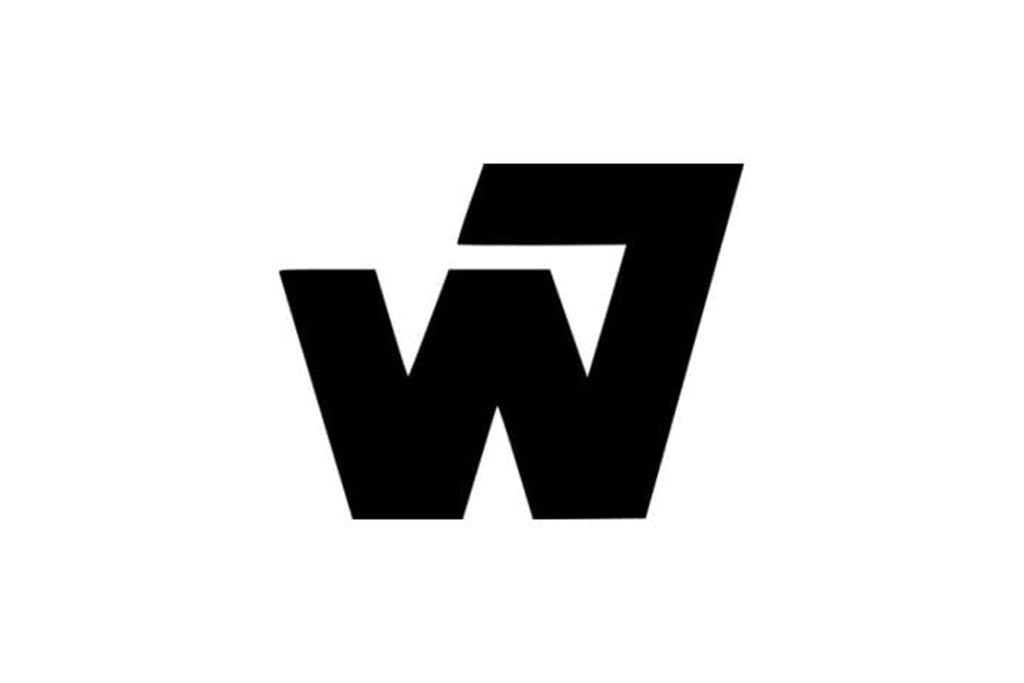
Image Courtesy of Warner Brothers
1970 - 1972
A colorful transformation took place in the Warner Brothers logo design from 1970 to 1972. For the first time, the emblem was colored, abandoning its monochromatic scheme for a vibrant and eye-catching palette. The shield turned red, and the edges were presented in two shades of yellow, with the letters in the central part adopting the same color.
This vivid Warner Brothers logo design also featured an elongated rectangle intersecting the main shield, showcasing the full name of the movie studio. Both the inscription and the abbreviation were colored in a lively yellow-orange, infusing the logo with energy and dynamism.
This colorful departure in the Warner Brothers logo design provides a unique exploration into the psychological impact of color in branding. For graphic designers and design enthusiasts, this era offers valuable insights into how color can be used as a powerful tool to inject new life into a brand, transforming its visual presence and resonance with audiences. It reminds us that sometimes, a splash of color can make a world of difference.
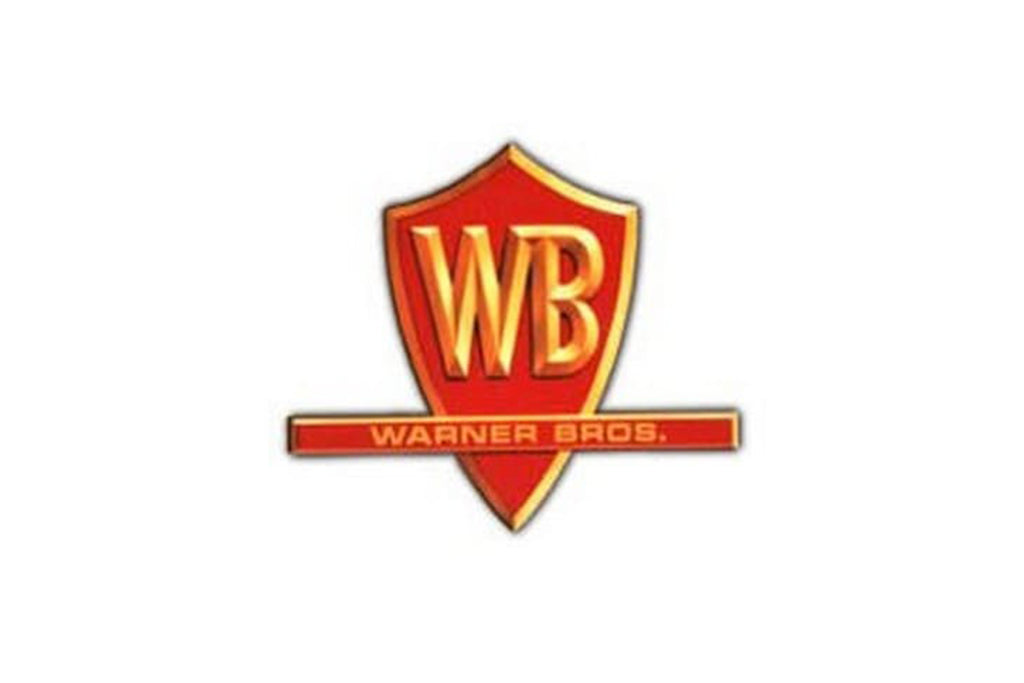
Image Courtesy of Warner Brothers
1972 - 1990
The Warner Brothers logo design from 1972 to 1990 represented a significant departure from previous incarnations. Proposed by the acclaimed designer Saul Bass, this emblem was polarizing, to say the least, and quickly earned two nicknames: "Big W" and "Worm." The logo featured a design that depicted the first letter of the film company's name but was executed in an abstract manner.
This Warner Brothers logo design consisted of three separate pieces, resembling white sausages on a black background. The background itself was somewhat perplexing, as it fluctuated between an irregular circle and a square with rounded corners. These avant-garde choices might have contributed to its lack of popularity.
However, what was once an unloved design has now found new life in other projects of Warner Brothers. This futuristic mark's reappearance demonstrates how designs can have second lives and resonate differently over time. For graphic designers, the "Big W" offers a lesson in risk-taking, creativity, and the importance of understanding audience perception.
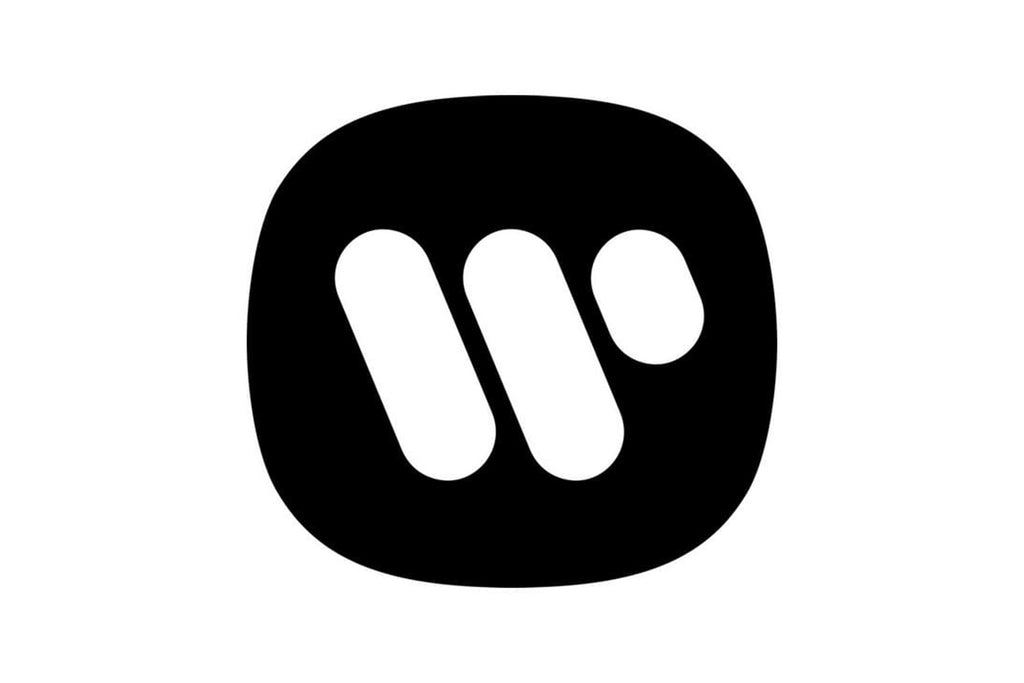
Image Courtesy of Warner Brothers
1993 - 2022
The period from 1993 to 2022 witnessed a revitalization of the iconic Warner Brothers crest. The lines of the letters and the black frame were emboldened, giving the logo a stronger visual presence. The shield itself was slightly extended, and the arched banners became thicker, emphasizing stability and prominence.
This Warner Brothers logo design featured black as the main color of the background, with delicate white lettering within it. The balance between boldness and refinement provided the emblem with a renewed sense of sophistication and grace. It's a testament to the subtle power of refinement and how small adjustments can breathe new life into a well-known symbol.
For graphic designers, this era of the Warner Brothers logo design provides rich insights into the art of updating an iconic image without losing its essence. It's about understanding the core values and visual cues that resonate with audiences, and enhancing them in meaningful ways.
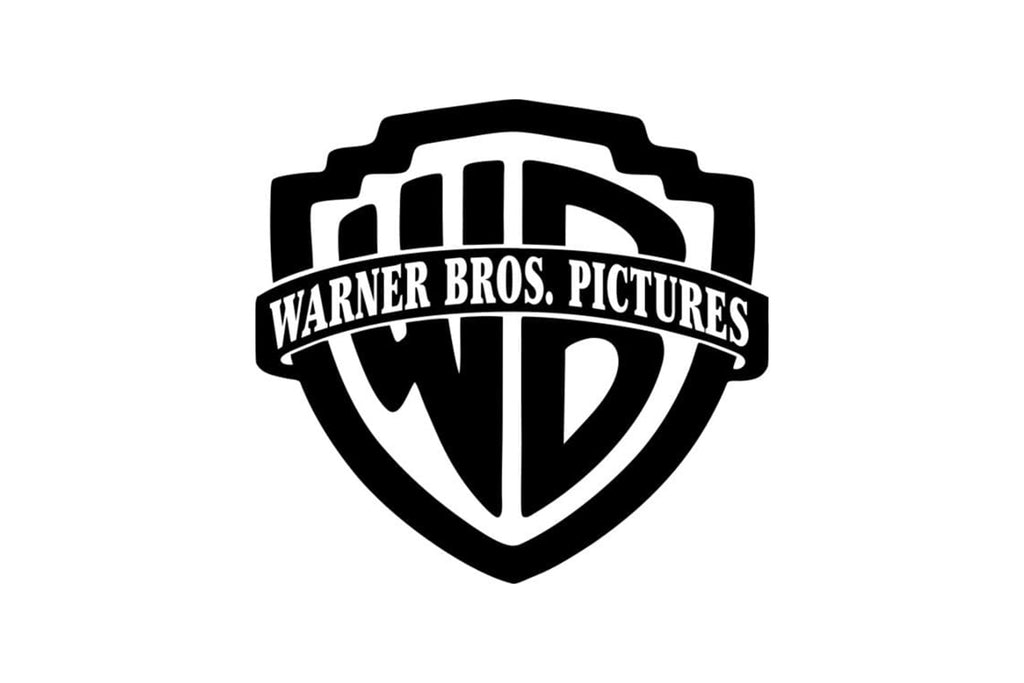
Image Courtesy of Warner Brothers
2019 - 2023
The latest chapter in the Warner Brothers logo design story began in the fall of 2019 with the unveiling of a fresh, contemporary design. This second color version now utilizes blue instead of red, adding a serene touch to the emblem. The abbreviation in the center remains elongated, with sharpness at the ends, harking back to designs that first appeared in 1929-1937.
What's notable about this Warner Brothers logo design is its minimalism: no edging, just a shield and two central letters. The text is thoughtfully placed out of the graphic image frame, spanning two lines - "Warner Bros." at the top and "Pictures" at the bottom, all in harmonious blue.
The current logo design carries a sense of nostalgia while feeling distinctly modern. It showcases how a brand can navigate its rich history while adapting to contemporary aesthetics. For today's graphic designers, it provides a masterclass in blending the old with the new, crafting an identity that respects tradition while embracing the future. It’s a poignant reminder that sometimes, going back to basics is the most innovative move of all.
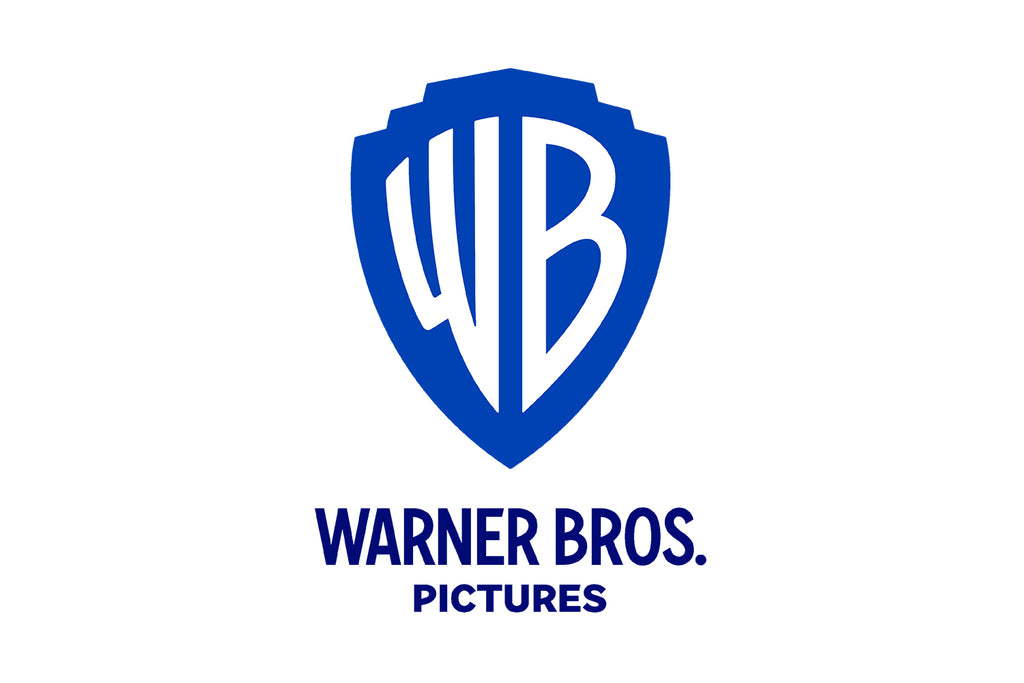
Image Courtesy of Warner Brothers
2023 - Present
The latest iteration of the Warner Brothers logo design, marking the current period from 2023 onwards, pays homage to a previous era while introducing fresh touches. Taking cues from the logo used during the 1993 – 2022 period, this new design integrates a contemporary color palette with classic elements.
The base of the shield is crafted in a sophisticated blue gradient, lending depth and elegance to the overall appearance. In a striking contrast, the initials and border are featured in a golden color, bringing warmth and richness to the design. One notable change in this Warner Brothers logo design is the removal of the banner that once ran across the shield. This decision allows the initials to shine unencumbered, emphasizing simplicity and clarity.
Brought to life by the renowned design firm Chermayeff, Geismar, and Haviv, this logo's classic design marks a significant anniversary for the company. It's a beautiful example of how subtle modifications can make a meaningful impact, retaining a connection to a brand's heritage while refreshing its visual identity.
For fellow graphic designers, this phase of Warner Brothers logo design illustrates the power of nuanced changes and the timeless appeal of simplicity. It serves as a reminder that innovation often lies in the details, allowing the essence of a brand to resonate in a new era.
Image Courtesy of Warner Brothers
What Is The History Of The Warner Brothers Logo Design?
The history of the Warner Brothers logo design is a cinematic journey in itself. Since the early 1920s, Warner Brothers has used its emblem not just as a corporate mark, but as a dramatic opening act before the story even begins. The famous shield has become a symbol of Hollywood magic, instantly signaling adventure, emotion, and unforgettable storytelling.
The first Warner Brothers logo design appeared during the silent film era. It featured a detailed shield with the studio name proudly displayed, reflecting the ornate style trends of the time. As the film industry evolved, so did the logo. In the 1930s and 1940s, the design was simplified, allowing the bold “WB” initials to stand out more clearly. This shift marked the beginning of the shield becoming the core visual identity of Warner Brothers.
During Hollywood’s Golden Age, the Warner Brothers logo design often appeared against dynamic backdrops—cloud-filled skies, dramatic lighting, and cinematic textures. These visual effects helped establish the logo as part of the movie experience, rather than just a static brand mark. The shield felt grand, theatrical, and larger than life.
In the 1970s, the studio experimented with a modern redesign. The traditional shield was replaced with a minimalist, abstract “W” symbol created by designer Saul Bass. This version of the Warner Brothers logo design reflected contemporary graphic trends—clean lines, bold simplicity, and strong geometry. Although innovative, the studio eventually returned to the classic shield, proving how deeply audiences connected with the original emblem.
Throughout the 1980s, 1990s, and early 2000s, the Warner Brothers logo design embraced digital technology. The shield became more dimensional, metallic, and three-dimensional, often integrated seamlessly into the opening scenes of films. The logo would transform in color, texture, and animation depending on the movie genre—golden and majestic for fantasy epics, dark and dramatic for superhero films, or whimsical for animated features.
In recent years, Warner Brothers introduced a flatter, more streamlined version of its logo design. The modern update simplified the shield’s lines and typography while maintaining its iconic structure. This redesign reflects contemporary branding trends that prioritize versatility across digital platforms, streaming services, and mobile screens. Even in its simplified form, the shield remains unmistakably Warner Brothers.
What makes the history of the Warner Brothers logo design so fascinating is its balance between tradition and reinvention. The shield has changed in detail, texture, and style, yet its core identity has remained intact for over a century. It demonstrates how a strong foundational concept can evolve without losing recognition.
From silent films to streaming platforms, the Warner Brothers logo design continues to introduce stories that shape pop culture. Its evolution mirrors the growth of the entertainment industry itself—bold, adaptive, and always ready for the next big premiere.
What Makes The Warner Brothers Logo Design So Iconic In Film History?
The Warner Brothers logo design is not just a studio badge—it is a cinematic ritual. The moment the shield appears on screen, audiences instinctively prepare for something epic. That immediate emotional response is one of the key reasons the Warner Brothers logo design has become so iconic in film history. It doesn’t simply identify a company; it sets the mood, builds anticipation, and signals quality storytelling.
One major factor behind its legendary status is consistency. Since the 1920s, the Warner Brothers logo design has revolved around the powerful shield and bold “WB” initials. While textures, colors, and animation styles have evolved, the central shape has remained recognizable. This consistency builds trust. Generations of viewers have grown up seeing that shield before watching classics, superhero blockbusters, and award-winning dramas. Over time, the logo became synonymous with cinematic excellence.
Another reason the Warner Brothers logo design stands out is its adaptability. Unlike many static brand marks, the shield transforms to match the tone of each film. For fantasy adventures, it may appear forged in gold and floating in glowing clouds. For darker stories, it can emerge in steel, shadow, or fire. This flexibility allows the logo to feel integrated into the narrative world rather than interrupting it. It becomes part of the storytelling experience.
The craftsmanship behind the Warner Brothers logo design also contributes to its iconic status. From hand-drawn early versions to today’s advanced CGI animations, each era reflects the cutting edge of design technology. In the digital age, the shield often moves seamlessly into the first scene, blurring the line between branding and cinema. That creative integration keeps the logo fresh and relevant, even after a century.
Cultural impact plays a huge role as well. The Warner Brothers logo design has introduced audiences to legendary franchises—Harry Potter, DC superheroes, Looney Tunes, and countless others. Because it appears before so many beloved stories, the logo carries emotional weight. It triggers nostalgia, excitement, and familiarity all at once. Few brand symbols in entertainment have such a deep emotional connection with viewers worldwide.
Typography and composition further enhance its memorability. The bold initials inside a strong geometric shield create balance and authority. The symmetry feels stable and powerful, qualities that reinforce the studio’s reputation. Even in simplified modern versions, the essence of the Warner Brothers logo design remains visually commanding and instantly identifiable.
Ultimately, what makes the Warner Brothers logo design so iconic in film history is its perfect blend of tradition, adaptability, and emotional resonance. It has evolved alongside the film industry while preserving its recognizable core. The shield is more than a graphic element—it is a symbol of storytelling heritage. Each time it appears, it reminds audiences that they are about to enter a world crafted by one of Hollywood’s most influential studios.
What Can Designers Learn From The Warner Brothers Logo Design Evolution?
The evolution of the Warner Brothers logo design is like a masterclass in branding longevity. For designers, it offers powerful lessons on how to balance heritage with innovation. Over the past century, Warner Brothers has refined its visual identity without abandoning its roots. That careful evolution proves that great logo design is not about constant reinvention, but about thoughtful progression.
One of the biggest lessons designers can learn from the Warner Brothers logo design is the importance of a strong core concept. The shield and the bold “WB” initials have remained central elements since the early days. Even when typography styles shifted or the emblem became more dimensional, the foundation stayed intact. This consistency builds recognition and trust. A logo that is anchored in a clear, memorable structure can evolve without confusing its audience.
Another key takeaway is adaptability. The Warner Brothers logo design has successfully transitioned from print to film, from black-and-white screens to high-definition digital streaming platforms. Designers can see how the logo’s shape and simplicity allow it to work across different mediums. Whether embossed in metallic gold, flattened for a modern interface, or animated in cinematic 3D, the mark maintains its impact. Flexibility ensures relevance in changing technological landscapes.
Designers should also pay attention to storytelling. The Warner Brothers logo design does more than identify a brand; it sets a tone. In many films, the shield transforms to reflect the genre and mood. It might appear dark and dramatic for a superhero epic or whimsical for an animated feature. This integration shows how branding can enhance user experience. A logo can become part of the narrative rather than just a static signature.
Minimalism is another valuable lesson. While earlier versions of the Warner Brothers logo design featured intricate details, recent redesigns have embraced cleaner lines and simplified typography. The modern approach proves that clarity often strengthens impact. By removing unnecessary embellishments, designers can create marks that perform better on digital platforms while preserving brand identity.
Perhaps the most important insight is patience. The Warner Brothers logo design did not achieve iconic status overnight. Its recognition grew through decades of consistent use and careful refinement. Designers and brands alike can learn that successful identity systems require time, discipline, and strategic updates rather than impulsive overhauls.
Ultimately, the evolution of the Warner Brothers logo design teaches designers to respect history while embracing change. A logo should feel timeless but never outdated. By combining a strong visual foundation, adaptability across media, and emotional storytelling, designers can create identities that stand the test of time—just like the legendary Warner Brothers shield.
Conclusion
The Warner Brothers logo design stands as a powerful example of how visual identity can evolve while preserving its core essence. From its early detailed shield to today’s refined and modern version, the emblem reflects both artistic trends and technological progress. For designers and creatives alike, the Warner Brothers logo design demonstrates the value of consistency, adaptability, and strong symbolism. Its enduring shield has become more than a studio mark—it is a cultural icon recognized worldwide. As branding continues to evolve, the legacy of the Warner Brothers logo design remains a benchmark for timeless and meaningful design.
Let Us Know What You Think!
Every information you read here are written and curated by Kreafolk's team, carefully pieced together with our creative community in mind. Did you enjoy our contents? Leave a comment below and share your thoughts. Cheers to more creative articles and inspirations!
Related Articles


Leave a Comment