
BBC Logo Design: History & Evolution
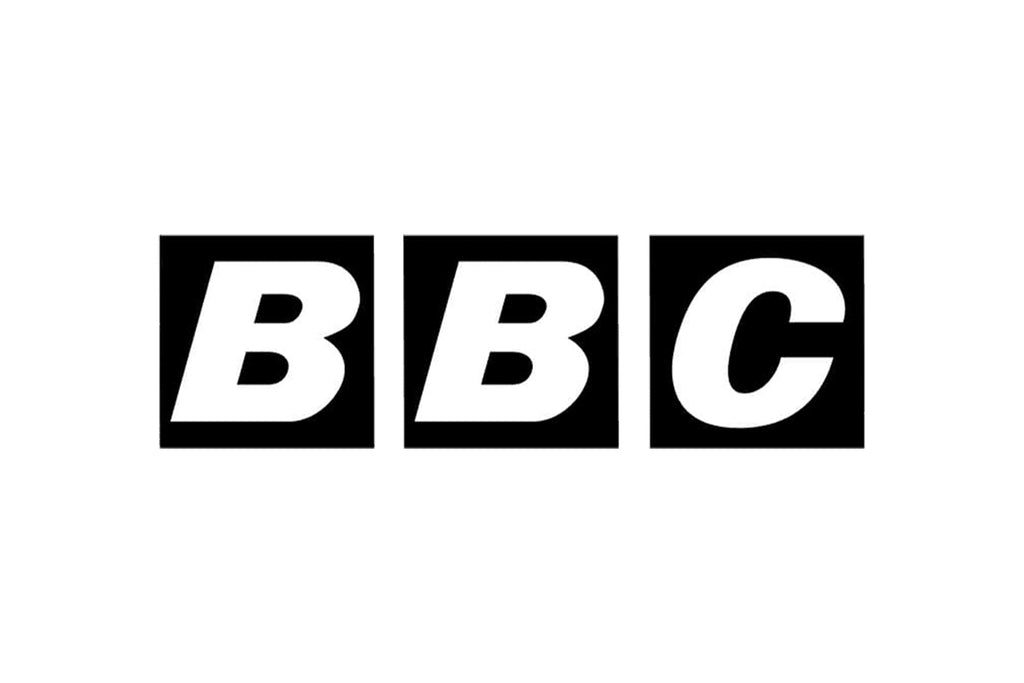
Image Courtesy of BBC
The BBC is one of the most recognizable broadcasters in the world, and its visual identity has played a major role in shaping that reputation. From its early days in radio to its global presence across television, digital platforms, and streaming services, the BBC logo design has evolved to reflect changing technology, design trends, and audience expectations. Each redesign marks an important chapter in the brand’s long and influential history.
This article explores the complete journey of the BBC logo design, highlighting how simplicity, clarity, and authority have remained at the core of its visual language. While styles and typography have shifted over the decades, the BBC has consistently focused on creating a logo that communicates trust, professionalism, and public service values. These qualities have helped the brand stay relevant in an ever-changing media landscape.
By examining key logo updates and design decisions, this guide offers insight into how the BBC balances tradition with modernity. Whether you are a designer, branding enthusiast, or curious reader, understanding the evolution of the BBC logo design reveals how thoughtful visual identity can support a brand’s mission while standing the test of time.
BBC Logo Design History
1958 - 1963
During the years 1958 to 1963, the BBC logo design embarked on a new phase, setting a tone that would be instrumental in defining the visual identity of the brand for years to come. This crucial period marked an era of expansion for the BBC, particularly in the international broadcasting market. The existing influence was growing, and so was the need for a logo that would stand out and resonate with audiences worldwide.
The creation of the first official BBC logo design was a mission undertaken by Abram Games Studio. They took on the challenge of devising a symbol that would reflect the BBC's emerging presence and align with the brand's ambitions. The result was a distinctive sign consisting of three black squares, a simple yet profound statement. Within each square, one letter from the abbreviation of the name "BBC" was typed in white slanting font Univers.
The choice of this design was more than just an aesthetic decision. The three squares represented unity and the three fundamental principles of the corporation. The slanting font added dynamism and was symbolic of forward-thinking. Moreover, the black and white contrast was striking and ensured high visibility.
Designed specifically as an on-air image, the logo was streamlined and impactful. It became synonymous with the broadcasts and was instantly recognizable. The BBC logo design from 1958 to 1963 wasn't just about aesthetics; it was a strategic move that harmonized with the company's evolving presence and appealed to a global audience.
Graphic designers looking to understand the essence of effective branding can draw much inspiration from this era of BBC logo design. It's a testament to how design, when combined with deep understanding and creativity, can transform a brand's image. The use of the Univers font, the stark contrast in colors, and the simplicity of the design all contributed to a timeless appeal.
The BBC logo design during 1958 to 1963 is a classic example of how design can transcend beyond visuals to become an embodiment of a brand's philosophy and ambitions. It marked the beginning of a new chapter, one where design and broadcasting joined forces to create a visual symphony that's still celebrated and studied by graphic designers around the world. Whether you're seeking inspiration or a glimpse into design history, the BBC logo's legacy from this period offers both in abundance.
Image Courtesy of BBC
1963 - 1971
The years 1963 to 1971 brought an intriguing twist to the BBC logo design. Graphic designers and branding enthusiasts often regard this era as a study in subtle but strategic transformation. During these years, the BBC took a calculated step to tweak their already-iconic logo, all while preserving the elements that made it unique.
What makes this period interesting in the journey of the BBC logo design is the focus on refining rather than revamping. The original three black squares that housed the letters 'BBC' were given a slant symmetrical to the slant of the letters themselves. This may seem like a minor change, but it added an extra layer of cohesiveness and dynamic motion to the logo.
This slanting of the squares perfectly aligned with the existing font, creating a sense of flow and unity. It gave the logo a more forward-leaning appearance, emphasizing progress and innovation, values that the BBC was keen to portray.
The implementation of the logo also expanded during this time. Not content to remain only as an on-air image, the BBC logo design was now applied to cameras and the company's television equipment. It became a true emblem of the brand, proudly displayed at the end of broadcasts. This marked a significant milestone in brand identity, where the logo permeated various facets of the business, reinforcing the BBC's presence and commitment to quality.
For graphic designers, the 1963 - 1971 era of the BBC logo design is a lesson in the art of finesse. It shows how even the most subtle of changes can breathe new life into a design, making it more aligned with the brand's evolving story. It's a reminder that innovation doesn't always mean complete transformation; sometimes, it's about recognizing what works and enhancing it to fit new contexts.
In the realm of branding, the BBC logo design from 1963 to 1971 stands as a testament to the power of thoughtfully executed design changes. It's an example of how design, no matter how simple, can deeply influence brand perception and loyalty. Whether you're an aspiring designer or a seasoned professional, the BBC logo's evolution during this period offers valuable insights into the delicate balance between maintaining brand legacy and embracing change, all through the lens of creative design.
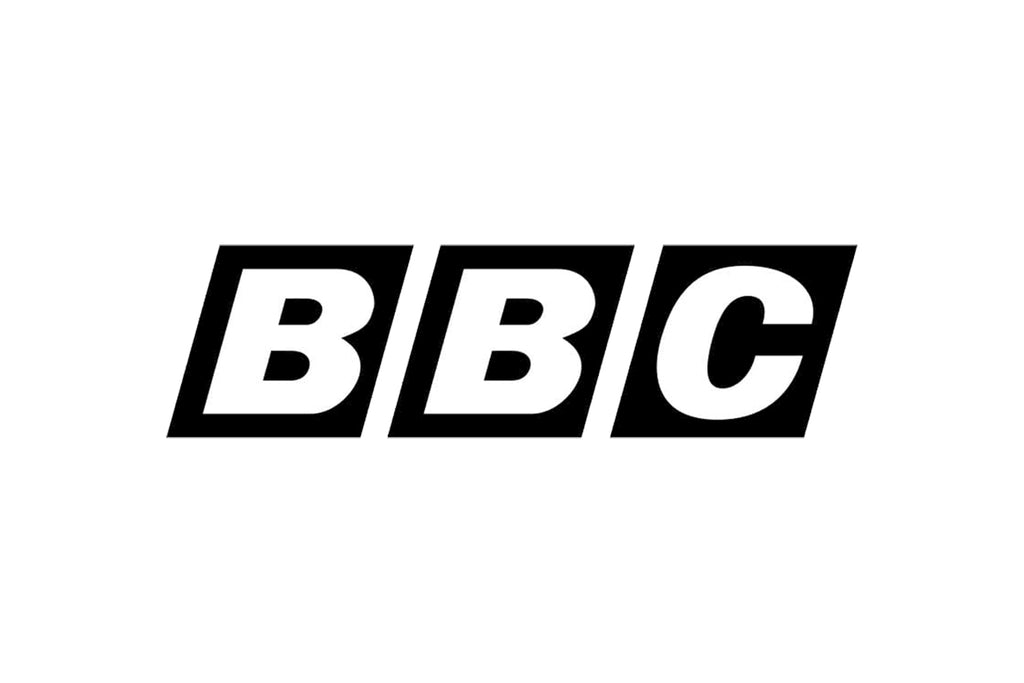
Image Courtesy of BBC
1971 - 1992
The era between 1971 and 1992 in the BBC logo design is an intriguing period filled with subtlety, evolution, and strategic thinking. For more than two decades leading up to 1971, the BBC maintained its visual identity with little interest in rebranding. But as the landscape of broadcasting began to shift, so too did the approach to the BBC logo design.
In 1971, the black blocks housing the iconic acronym underwent a gentle transformation, acquiring rounded edges and an increased distance between them. This seemingly minimal alteration had a profound impact on the overall appearance of the logo. The softening of the edges added a touch of modernity, making the BBC logo design more approachable, while the increased spacing between the blocks created a more visually pleasing balance.
During the late eighties and early nineties, the importance of a company's visual identity became paramount. Brand image started to wield significant influence over popularity and consumer interest. In an era filled with competition and the burgeoning threat of imitation, the BBC logo design became more than a mere symbol; it became a mark of authenticity.
As television programming evolved, the BBC found itself in a position to ensure viewers that what they were watching was genuine BBC content. The logo, therefore, began to act as a seal of quality and originality. It was a time when logos started to have substantial branding implications, assuring viewers of the content's origin and quality.
Despite the introduction of a new logo in 1988, the rounded-block version remained in use until 1992, a testament to its enduring appeal and effectiveness. Its prolonged presence highlighted the BBC's commitment to consistency while subtly adapting to the changing tides of design trends and consumer behavior.
The 1971 - 1992 chapter of the BBC logo design offers a rich lesson in restraint, adaptation, and strategic design thinking. It's a period that emphasizes the importance of minor tweaks in refreshing a brand's image without losing its core identity. It reminds us that sometimes, small changes can make a big impact, especially in a world where logos are not just symbols but essential elements in building trust and authenticity.
The evolution of the BBC logo design during these years paints a vivid picture of how a brand can maintain its visual heritage while subtly adapting to the times. It's an inspiring example for all designers, illustrating the art of delicate change and the timeless appeal of well-crafted design.
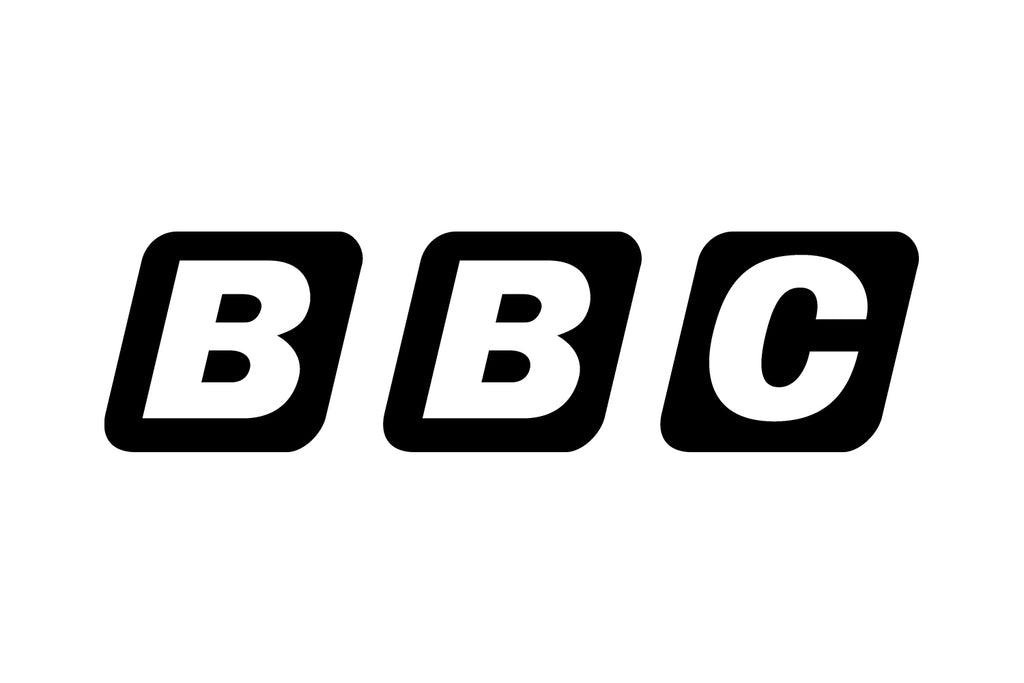
Image Courtesy of BBC
1988 - 1997
The decade from 1988 to 1997 was a period of reawakening for the BBC logo design. As the broadcasting landscape continued to evolve, the corporation recognized the need to bring a fresh perspective to its visual identity. It was a time of innovation and reflection, all captured in a new design that spoke to both the history and future of the brand.
In 1998, the Michael Peters Design Agency was tasked with the development of the brand mark. They looked back to the pointed corners of the black blocks, a visual element that was part of the earlier logo, retaining the unique 17˚ acute angle. The spaces between the blocks remained consistent, but it was the introduction of the Helvetica Neue font that brought a remarkable transformation. The edges of the text were sharpened, mirroring the blocks' design, creating a sense of graphic unity and visual symmetry that radiated harmony across the entire composition.
One of the most innovative aspects of this iteration of the BBC logo design was the inclusion of lines under each block, equal in length to their base. Colored in blue, red, and green, these lines carried a double significance. They were a nod to the flags of Scotland, Wales, and Northern Ireland, emphasizing the BBC's commitment to representing the United Kingdom. Simultaneously, the colors reflected the three phosphors characteristic of color television, symbolizing technological advancement and the BBC's pioneering role in the broadcasting world.
This version of the logo had a unique application, as well. In 1997, it was paired with the BBC Radio Clwyd emblem, a collaboration that lasted until the station's closure.
The 1988 - 1997 phase in the BBC logo design's history is a masterclass in design evolution. It showcases the value of thoughtful revision, infusing new life into a classic design while maintaining its core essence. The choice of fonts, the manipulation of shapes, and the creative use of colors all contributed to a logo that stood tall in a rapidly changing media environment.
This era of the BBC logo design offers valuable insights into blending tradition with innovation, creating visual metaphors, and crafting designs that resonate on multiple levels. It's a chapter that continues to inspire and influence, reflecting the endless possibilities of design thinking and the power of creativity in shaping a brand's legacy.
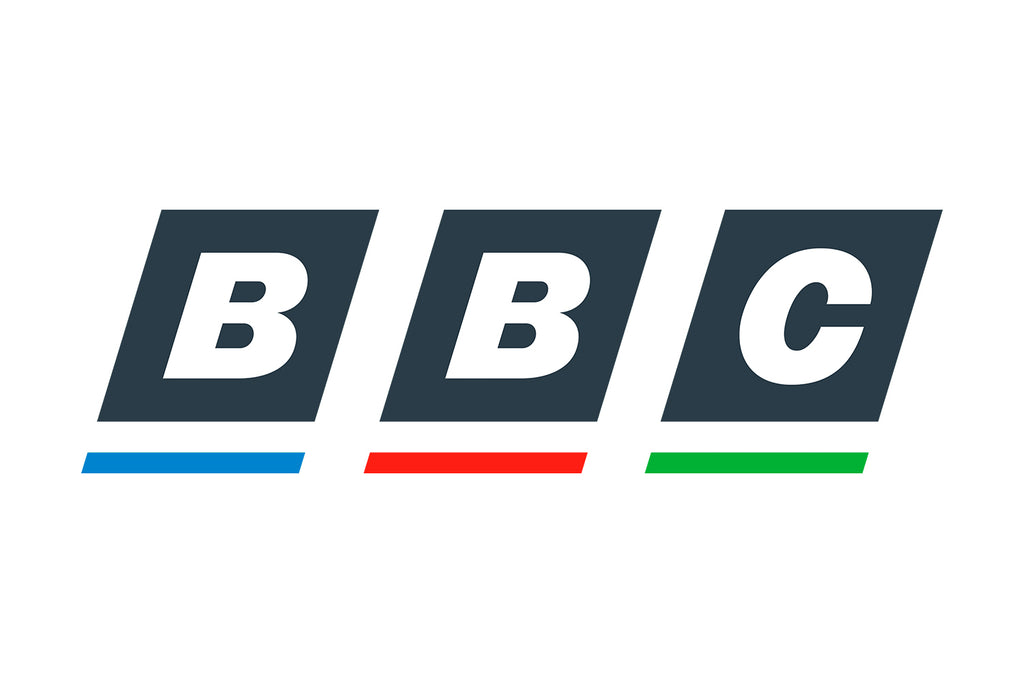
Image Courtesy of BBC
1997 - Present
The story of BBC logo design took a momentous turn in 1997 with the introduction of a new corporate logo that can only be described as a thoughtful nod to the past with a fresh and contemporary execution. Martin Lambie-Nairn, the designer behind this transformation, played an instrumental role in shaping what would become one of the most recognizable logos of our time.
The 1997 redesign saw a return to simplicity and classic elegance. Gone were the colored lines, replaced with plain black squares that housed the BBC acronym. The letters themselves were repositioned vertically, shedding any tilting, a subtle callback to the very first version created in 1958. The choice of font further anchored the logo in a rich design tradition, with the use of the 1926 Gill Sans font, created by the legendary Eric Gill.
This version of the BBC logo design is more than just a visual symbol; it's an embodiment of the brand's identity and values. The removal of the colored lines and the return to simple black squares may seem like a step backward, but in reality, it represents a focus on the core principles of the BBC – quality, integrity, and timelessness. The simplicity doesn't diminish the logo's impact; it amplifies it, allowing the brand's true essence to shine through.
What's particularly remarkable about this phase in the BBC logo design's history is its longevity. As trends have come and gone, this logo has remained steadfast, a testament to the power of well-considered design choices and an understanding of brand legacy. It demonstrates that sometimes, embracing simplicity and authenticity can lead to a timeless design that transcends fleeting trends.
The 1997 to present BBC logo design offers invaluable lessons. It's a case study in the balancing act between nostalgia and modernity, demonstrating how a brand can honor its history while remaining relevant. It showcases the importance of thoughtful design decisions that reflect the brand's core values, even if it means simplifying rather than complicating.
In the ever-evolving world of design, the BBC logo stands as an inspiring example of elegance, resilience, and brand alignment. It's a reminder that sometimes, the most powerful designs are those that understand what to leave behind, focusing instead on the essential elements that capture a brand's soul. It's a lesson in the true art of logo design, one that continues to resonate and inspire, from 1997 to the present day.
Image Courtesy of BBC
2021 - Present
The 2021 chapter in the ongoing story of the BBC logo design is one marked by subtlety, controversy, and a profound connection to the brand's heritage. This year, the world saw the unveiling of a new trademark that, at first glance, appeared deceptively simple. But as with all things design-related, the story runs much deeper.
The new BBC logo design features a font crafted by Dalton Maag in 2017, a choice that on the surface seemed minimal but opened a door to a torrent of public censure and outrage. What fueled this reaction? Interestingly, the answer lies in the fact that virtually no one noticed the dramatic changes in the new logo.
From a graphic designer's perspective, this situation presents an intriguing paradox. The corporation claimed that a significant amount of money was spent on the rebranding, yet the alterations were so nuanced that they escaped public notice. Herein lies a lesson about the delicate balance between innovation and preservation, especially when it comes to a logo as iconic and beloved as the BBC's.
The company's response to the criticism did little to quell the discontent. Their explanation, rooted in the idea that no cardinal changes were required, was not accepted readily. The argument that the style and historic design of the emblem were what viewers recognized, and that those who knew and respected the channel needed only the three cherished letters, raised more questions about the expenditure, especially since the BBC is a public entity.
The 2021 BBC logo design, therefore, serves as a fascinating case study in the complexities of redesigning a classic emblem. It’s a vivid reminder that sometimes, even the most subtle changes can spark intense reactions, particularly when they involve something as deeply ingrained in the public consciousness as the BBC logo.
This chapter offers rich insights into the nuances of redesign, the importance of transparent communication, and the challenge of balancing heritage with modernity. It also underscores the weight of public perception in evaluating a design's success or failure.
In the end, the 2021 BBC logo design is more than a visual symbol; it's a reflection of the cultural, social, and historical context in which it exists. It's a testament to the power of design to evoke emotions, spark debate, and connect generations. It's a living lesson in the art and responsibility of crafting a visual identity, one that will undoubtedly continue to resonate and inspire.
Image Courtesy of BBC
What Makes The BBC Logo Design Instantly Recognizable
The BBC logo design is a masterclass in visual clarity, and its instant recognizability didn’t happen by accident. At first glance, it looks almost too simple: three bold letters sitting neatly inside square blocks. Yet this straightforward approach is exactly what makes the BBC logo so powerful. In a crowded media landscape filled with flashy graphics and complex symbols, the BBC chose confidence through restraint.
One of the biggest reasons the BBC logo design stands out is consistency. For decades, the core structure of the logo has remained familiar, even as small refinements have been introduced. Viewers across generations can instantly identify the BBC logo on television screens, mobile apps, websites, and social platforms. That visual continuity builds trust and reinforces the brand’s authority as a global broadcaster.
Typography also plays a major role in making the BBC logo design memorable. The clean, sans-serif letterforms feel modern, neutral, and authoritative without appearing cold or unapproachable. This balance is crucial for a public service broadcaster that needs to speak to diverse audiences. The letters “BBC” are bold enough to command attention, yet simple enough to remain timeless.
Color choice further strengthens recognition. The BBC logo design traditionally relies on a black-and-white palette, which enhances contrast and readability across all media formats. This minimal color strategy ensures the logo works just as effectively on a massive billboard as it does on a small smartphone screen. It also allows the BBC brand to adapt easily alongside colorful program branding without visual conflict.
Another key factor is adaptability. The BBC logo design is built to scale, animate, and coexist with other visual elements. Whether it appears before a news broadcast, during a sports program, or within a digital interface, the logo remains clear and consistent. This flexibility helps maintain brand recognition while allowing creative freedom across different content categories.
From a design perspective, the BBC logo also benefits from emotional familiarity. Audiences associate the logo with credible news, iconic shows, and cultural moments. Over time, the logo becomes more than just a graphic mark; it turns into a symbol of reliability and shared experience. That emotional connection makes the BBC logo design instantly recognizable even without context.
Ultimately, the strength of the BBC logo design lies in its refusal to chase trends. Instead of reinventing itself with every design wave, the BBC focuses on refinement, clarity, and purpose. This disciplined approach proves that great logo design doesn’t need complexity to stand out. Sometimes, three letters and a strong design philosophy are all it takes to create an icon.
How The BBC Logo Design Influences Broadcast Branding
The BBC logo design does far more than sit quietly in the corner of a screen. It acts as the backbone of the broadcaster’s entire visual system, shaping how audiences experience BBC content across television, radio, and digital platforms. From a design standpoint, the logo sets the tone before a single word is spoken or a program begins.
One of the most important ways the BBC logo design influences broadcast branding is through consistency. No matter the channel, genre, or platform, the logo provides a stable visual anchor. Whether viewers are watching breaking news, a nature documentary, or a late-night talk show, the BBC logo immediately signals credibility and professionalism. This consistency builds trust and helps the brand feel unified, even when content styles vary widely.
The simplicity of the BBC logo design allows it to work seamlessly with complex broadcast graphics. Modern television branding relies heavily on motion design, lower-thirds, idents, and transitions. Because the BBC logo is clean and structured, it integrates effortlessly into animated sequences without losing legibility. Designers can scale, animate, or fade the logo while maintaining its recognizability.
Color flexibility is another reason the BBC logo design plays such a strong role in broadcast branding. Its traditional black-and-white palette acts like a neutral foundation. This makes it easy to pair the logo with bold program colors, seasonal themes, or special-event branding. The logo never competes with the content; instead, it frames and supports it.
In broadcast environments, clarity is everything. The BBC logo design is engineered for quick recognition, even when viewers glance at the screen for just a second. Sharp edges, balanced proportions, and strong contrast ensure the logo remains readable on everything from high-definition TVs to small mobile displays. This clarity reinforces the BBC’s reputation for reliability and high production standards.
The influence of the BBC logo design also extends to sound and motion branding. When paired with iconic audio cues or animated idents, the logo becomes part of a multisensory experience. These moments strengthen brand recall and help viewers emotionally connect with the BBC. Over time, the logo becomes a visual shorthand for quality programming.
From a designer’s perspective, the BBC logo design proves that broadcast branding doesn’t need excessive decoration to be effective. Its strength lies in structure, repetition, and thoughtful application. By staying visually disciplined, the BBC ensures its logo remains relevant across decades of changing broadcast technology.
Ultimately, the BBC logo design influences broadcast branding by acting as a reliable constant in a fast-moving media world. It gives designers a strong foundation to build on, while giving audiences a familiar symbol they can instantly trust.
What Designers Can Learn From The BBC Logo Design Evolution
The evolution of the BBC logo design offers a goldmine of lessons for designers working in branding, media, and beyond. At first glance, the logo may seem almost stubbornly simple, but that simplicity is the result of decades of thoughtful refinement. One of the biggest takeaways is that strong logo design is built over time, not rushed through constant reinvention.
Consistency is the first lesson designers can learn from the BBC logo design journey. While many brands chase trends and dramatic redesigns, the BBC has focused on gradual improvement. Each update respects what came before, ensuring the logo always feels familiar to audiences. This approach proves that brand recognition grows when visual changes are evolutionary rather than revolutionary.
Another key lesson is the power of restraint. The BBC logo design avoids unnecessary decoration, gradients, or symbolic illustrations. Instead, it relies on typography, proportion, and balance. For designers, this reinforces the idea that a logo doesn’t need to explain everything about a brand. Sometimes, clarity and confidence communicate more than visual complexity ever could.
Adaptability is also central to the BBC logo design evolution. The logo has successfully transitioned from print to television, and now to digital and mobile platforms. Designers can learn the importance of creating logos that scale well, animate smoothly, and remain legible in any context. A logo that only looks good in one format will struggle to survive in a multi-platform world.
The BBC logo design also highlights the value of neutrality. By using a minimal color palette and straightforward typography, the logo acts as a flexible foundation for a wide range of content. This allows individual programs and channels to express their own personality without weakening the core brand. Designers can apply this thinking when building systems that support multiple sub-brands.
Another important lesson is emotional longevity. The BBC logo design has become tied to moments of news, entertainment, and culture across generations. Designers should remember that logos gain meaning through repeated exposure and shared experiences. A successful logo grows stronger as audiences build memories around it.
Finally, the BBC logo design evolution teaches designers to design with purpose. Every change serves a functional goal, whether improving readability, modernizing typography, or enhancing digital performance. There is no redesign for the sake of trendiness. For designers, this is a reminder that the best logo design decisions are guided by strategy, not fashion.
In the end, the BBC logo design proves that timeless branding is less about standing out loudly and more about standing strong for the long run.
Conclusion
The history of the BBC logo design shows how thoughtful visual identity can stand the test of time. Through careful refinement, strong typography, and a commitment to clarity, the BBC has created a logo that remains relevant across generations and media platforms. Each evolution reflects changing technology while preserving the brand’s core values of trust, authority, and public service. From broadcast screens to digital interfaces, the BBC logo design continues to support a unified and recognizable brand presence. This journey highlights how disciplined design choices can build lasting recognition and influence in the global media landscape.
Let Us Know What You Think!
Every information you read here are written and curated by Kreafolk's team, carefully pieced together with our creative community in mind. Did you enjoy our contents? Leave a comment below and share your thoughts. Cheers to more creative articles and inspirations!
Related Articles


Leave a Comment