Skip to content

Cart

Your cart is empty

Article: Versace Logo Design: History & Evolution

Versace Logo Design: History & Evolution
Image Courtesy of Versace

The story of Versace logo design is a fascinating journey through luxury, mythology, and bold Italian creativity. Founded in 1978 by Gianni Versace, the fashion house quickly became synonymous with glamour, confidence, and unapologetic style. At the heart of this identity stands one of the most recognizable emblems in the fashion world—the iconic Medusa. More than just a decorative mark, the Versace logo design reflects the brand’s philosophy of power, beauty, and irresistible attraction.

Over the decades, the Versace logo has evolved while maintaining its core symbolism. From early wordmarks to the refined circular Medusa emblem we know today, each redesign mirrors the changing eras of fashion and branding. The balance between classical art inspiration and modern graphic precision has allowed Versace to remain timeless yet relevant. Every curve, line, and typographic choice in the logo design communicates luxury and authority.

In this article, we will explore the complete history and evolution of the Versace logo design, examining how it transformed alongside the brand’s global expansion. Whether you are a designer, fashion enthusiast, or branding student, understanding the visual journey of Versace offers valuable insight into how a powerful logo can shape an enduring legacy.

Versace Logo Design History

1980 - 1990

Ah, the 80s—a decade bursting with unique design aesthetics and a time when the Versace brand was truly coming into its own. To really understand the Versace logo design during this era, we must first transport ourselves back to the heart of this dynamic decade, a time of boldness, transformation, and undeniable style. So, let's hit rewind and delve into the Versace design language of the 1980s.

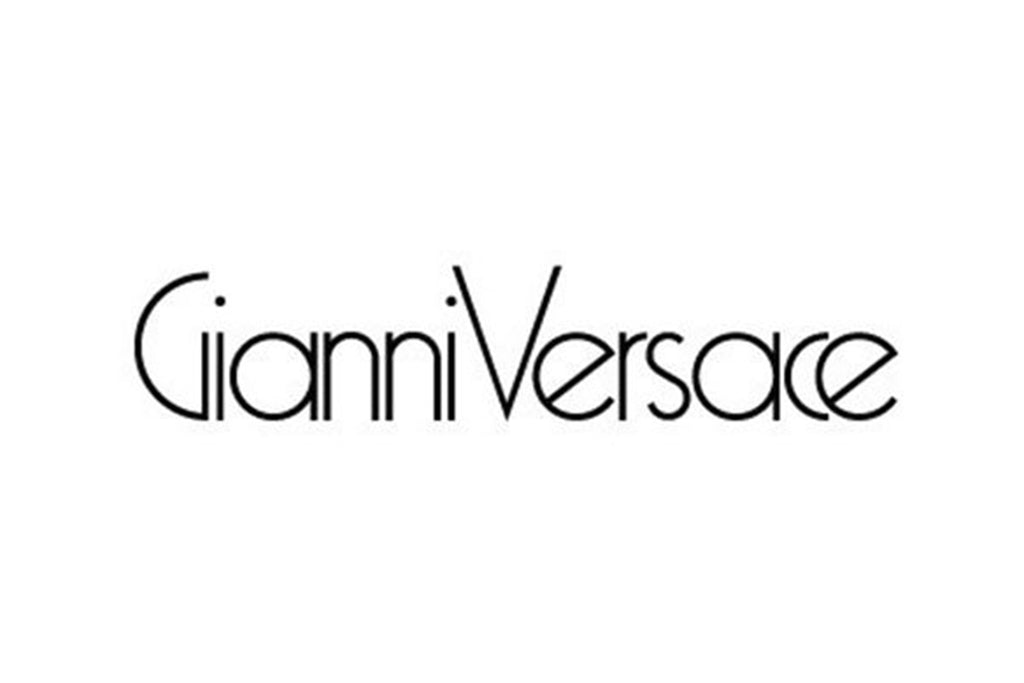
When Gianni Versace first stepped onto the scene, he didn't just bring innovative fashion designs; he also introduced a distinct branding vision. In the early days, the very first Versace logo took a departure from the more complex symbols we might associate with the brand today. Rather, it was an exercise in simplicity and legibility. The legendary designer opted for a custom monochrome inscription, utilizing a narrowed sans-serif typeface. It emphasized both "Gianni" and "Versace", with the two name segments drawn so closely together they were nearly inseparable, symbolizing the intimate connection between the designer and his budding brand.

To the discerning eye of a graphic designer, especially those with a passion for typography, you'd notice the uncanny resemblance of this typeface to the Sophi Sophi Regular font. This font choice, with its sleek and modern design, resonated deeply with the emerging trends of the 80s—both in fashion and graphic design. The sans-serif selection suggested a forward-thinking, contemporary appeal, ensuring that the Versace brand would be synonymous with modern luxury.

However, while this Versace logo design might seem minimalistic compared to later iterations, it wasn't devoid of character. The closeness of the name segments, the carefully chosen typeface, and the monochromatic palette all worked together to create an emblem that was immediately identifiable. It subtly whispered sophistication, setting the stage for the more intricate designs that were soon to follow in subsequent years.

In the 1980s, the Versace logo design didn’t just represent a brand—it encapsulated an entire movement. Gianni Versace was more than a designer; he was a trendsetter, pushing boundaries in the fashion realm. And this earlier logo version, with its modern typeface and unmistakable style, was a testament to his vision. It was a beacon for things to come, promising innovation and luxury, two principles at the heart of the Versace ethos.

In the world of graphic design, where change is the only constant, it's fascinating to trace back the roots of iconic emblems like the Versace logo. Understanding its evolution during the 80s offers us a unique glimpse into the brand’s foundational values, a legacy that still resonates with designers and fashion enthusiasts alike today.

Image Courtesy of Versace

1990 - 1997

Stepping into the 90s, the world of fashion experienced a paradigm shift. As aesthetics evolved and brands redefined their identities, so too did the Versace logo design. It was an era marked by bold choices, sleek silhouettes, and a move towards more pronounced branding. If the 80s was about setting the stage, the 90s for Versace was about making a statement.

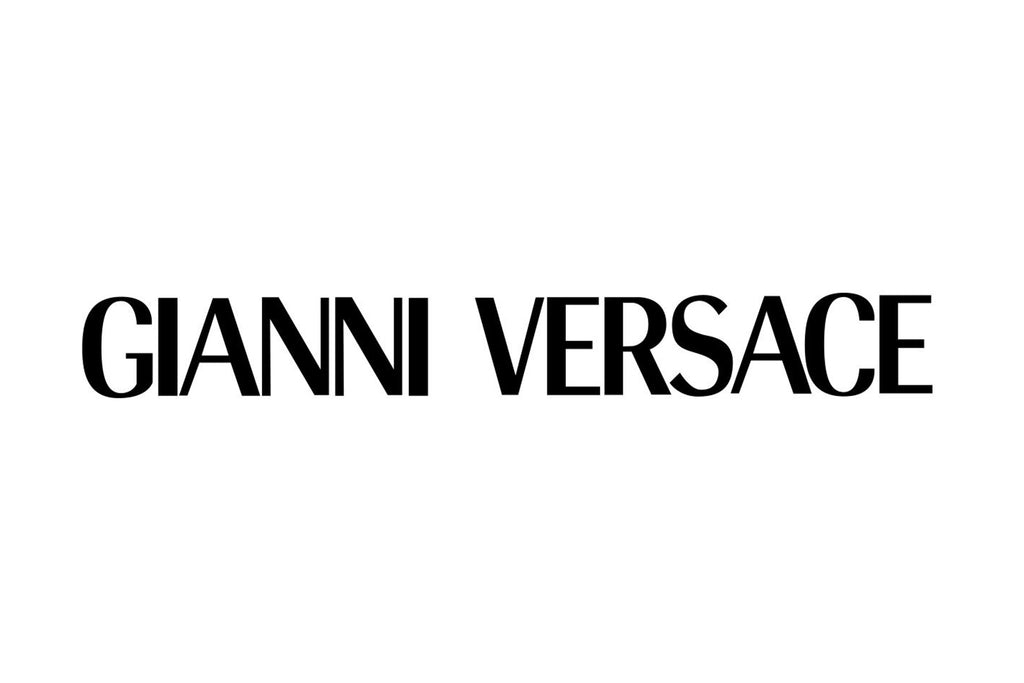
In 1990, the Versace brand underwent a transformative redesign. While the ethos remained rooted in luxury and distinctiveness, the logo saw an overhaul that embraced the essence of the decade. Gone was the earlier monochrome inscription, making way for a bolder, smoother iteration. The new design featured a capitalized inscription, a definitive nod to the brand's growing confidence and prominence in the fashion industry. Crafted in a bold sans-serif typeface, reminiscent of Radiant RR Bold, the logo commanded attention. Each letter, slightly narrowed yet distinctly solid, resonated with purpose, mirroring the brand's dedication to impeccable craftsmanship.

For graphic designers and typography enthusiasts, this version of the Versace logo design is a masterclass in adaptability. The "Gianni Versace" lettering, while undeniably bolder, maintained a fluid versatility. Depending on the brand's requirements, the inscription could be presented seamlessly in one line or split across two levels. This flexibility ensured that the logo remained relevant across diverse platforms, be it fashion labels, print advertisements, or storefronts. Moreover, this adaptability, while seemingly a simple design choice, speaks volumes about the brand's foresight into the evolving world of marketing and branding during the 90s.

The transition from the 80s to the 90s in the Versace logo design narrative reflects more than just a change in typography. It mirrors the brand's journey from a promising fashion house to an industry titan. This era's logo is not just a representation of the brand; it's a testament to Gianni Versace's vision of building a legacy that seamlessly blends tradition with innovation.

To sum it up, the Versace logo design from 1990 to 1997 is a celebration of the brand's evolution. A shift from subtlety to boldness, from foundational beginnings to undeniable global recognition. It’s a gentle reminder for all graphic designers that while logos are visual symbols, they are, more importantly, stories - tales of dreams, growth, and unwavering passion. And in the case of Versace during these years, it's a tale of mastering the delicate dance between heritage and reinvention.

Image Courtesy of Versace 

1993 - 1997

Ah, the mid-90s—a transformative period in design history and an especially pivotal era for the Versace brand. To any graphic designer familiar with luxury brand logos, the mention of "Versace" instantly conjures the iconic Medusa emblem. However, this wasn't always the case. Let’s journey back to 1993 when Versace's visual identity underwent a legendary transformation.

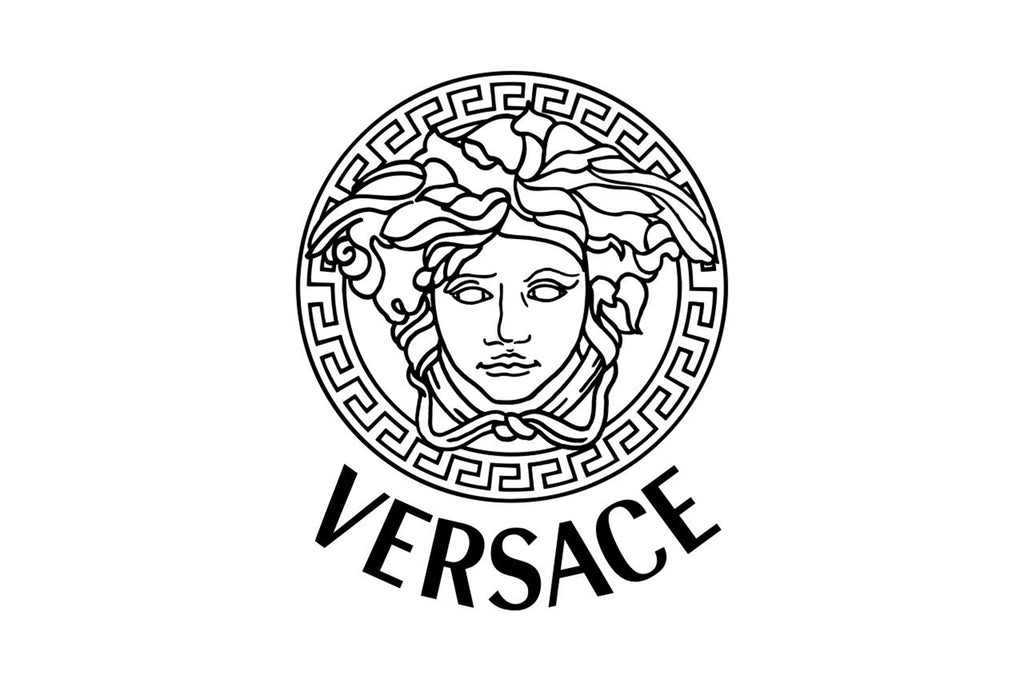
1993 was a landmark year in the Versace logo design story. While the earlier years were characterized by typography and sleek inscriptions, this year heralded the introduction of an emblem that would become synonymous with the brand—the Medusa. Drawing deep from Greek mythology, the monochrome, contoured image of this captivating creature debuted, encapsulating the allure, luxury, and mystique of the Versace brand. This emblem wasn't just any representation; it was encased within a wide, rounded frame, embellished with a traditional Greek geometric ornament, echoing the brand’s Mediterranean heritage and affinity for classical motifs.

This period saw the Versace logo design in primarily a monochrome color palette, fitting for a symbol as powerful as Medusa. Yet, the brand's penchant for opulence also ushered in iterations of the emblem in gold and black, an undeniably regal combination that screamed luxury. Whether it was embossed on leather goods, embroidered onto apparel, or elegantly printed on their fashion line, this logo variation shone in all its glory.

Interestingly, while the Medusa emblem could stand alone as a testament to Versace’s identity, it was also seen accompanied by the logotype introduced the same year. This typeface, a nod to the 1993 design, was a masterful blend of the brand's evolving aesthetic, ensuring the Versace name remained imprinted in the minds of its admirers.

For graphic designers, the introduction of the Medusa emblem during this period is a lesson in brand storytelling. The emblem is not merely an artistic choice; it's a narrative, intertwining the brand's ethos with a mythological tale. The Medusa, with her enthralling gaze, was said to make anyone who looked at her turn to stone. Similarly, Versace aimed to captivate its audience, making them enamored with the brand’s allure.

To sum it up, the Versace logo design from 1993 to 1997 is a testament to the brand's ability to evolve while staying true to its roots. By integrating classical mythology with contemporary design elements, Versace reminded the world that true luxury lies in the blend of storytelling, heritage, and impeccable design. It's a legacy that continues to inspire graphic designers and fashion aficionados alike.

Image Courtesy of Versace

1997 - 2008

The late 90s to early 2000s marked an emotionally charged period for Versace. The untimely and tragic demise of its founder, Gianni Versace, in 1997, reverberated across the fashion industry, leaving a void that seemed impossible to fill. In the wake of this loss, the Versace brand, synonymous with Gianni’s genius, underwent an evolution in its identity. As we delve deeper into this era of the Versace logo design, we see a reflection of the brand's resilience and commitment to its legacy.

Post-1997, a significant shift occurred. The brand's name transitioned from "Gianni Versace" to just "Versace". This change, more than just being symbolic, was reflected in the brand's visual identity. The Medusa emblem, which had become iconic by this time, saw a reimagining. No longer was it the fierce gaze from before; instead, the face of the Medusa morphed into a more tender and feminine visage. This change can be interpreted in many ways. Some might see it as a nod to the brand’s softer, more elegant direction. Others could view it as a symbol of respect and tribute to Gianni’s memory, embodying a gentle strength in the face of adversity.

Beneath this evolved Medusa emblem, the wordmark underwent its own transformation. Now presented in all capitals, the "VERSACE" inscription arched gracefully beneath the Medusa, exuding a sense of pride and reverence. The choice to have the wordmark in all capitals is particularly compelling. While the Medusa became more delicate, the wordmark's typography became robust and linear. The contours of the letters were straight and strong, balancing the emblem's softness. It showcased a brand that was both vulnerable in its loss yet unyielding in its resolve to march forward.

For graphic designers examining the Versace logo design from 1997 to 2008, there's a profound lesson in storytelling. Logos aren't just about aesthetics; they capture emotions, histories, and transitions. The alterations made during this period speak of a brand honoring its past, embracing its present, and forging ahead into its future.

In wrapping up this chapter, the Versace logo from this era stands as a poignant reminder of the brand's journey through grief, resilience, and evolution. While change is an intrinsic part of design, the reasons behind those changes, especially in instances as profound as this, resonate deeply, offering insights and inspirations to designers and brand enthusiasts alike.

Image Courtesy of Versace 

2008 - Present

The ever-evolving world of fashion is a testament to the adage, "Change is the only constant." Brands, in their pursuit of staying relevant and resonant, often transition through different visual identities, mirroring their growth, shifts in direction, or changing aesthetics. Versace, with its rich design history, is no exception. As we steer into the period from 2008 to the present, the Versace logo design presents an exciting blend of the classic and the contemporary, marking yet another pivotal chapter in the brand's storied journey.

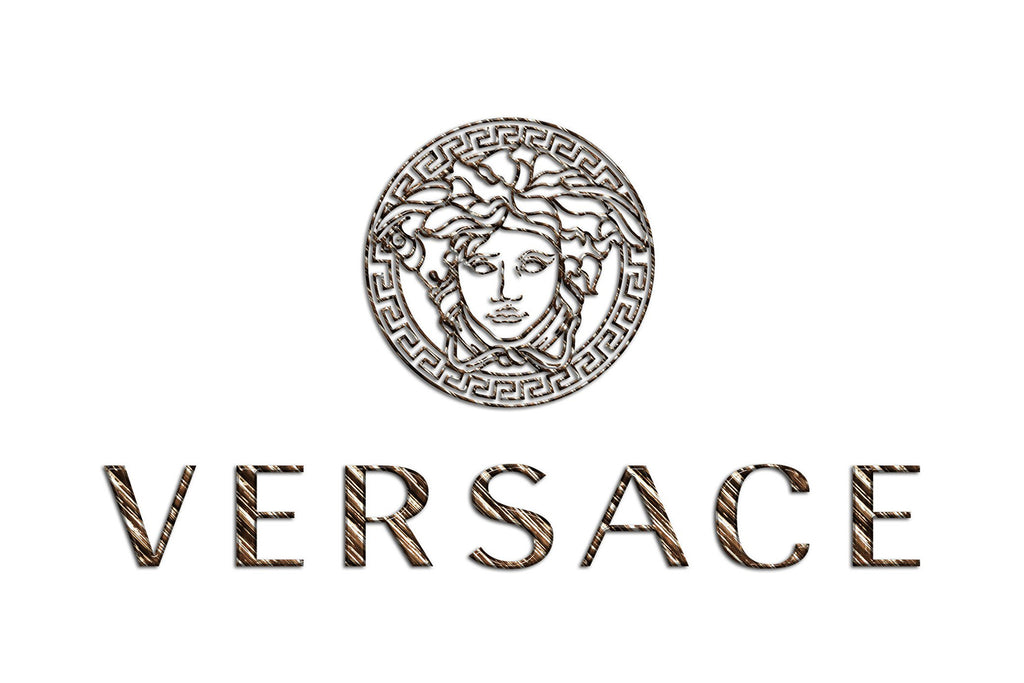
In 2008, the logo underwent another refinement, a clear indication of Versace's adaptability. The Medusa emblem, a long-standing symbol of the brand’s allure and mystique, remained prominent. However, the wordmark saw significant changes. Enlarged and given its space to breathe, "VERSACE" was now placed horizontally right beneath the emblem, creating a balanced visual hierarchy. This straightforward positioning gave the brand name increased prominence, ensuring that while the Medusa captivated, the Versace name commanded equal attention.

Presently, Versace offers a dual take on its logo, catering to diverse branding needs and aesthetic preferences. One version is ornate, lavish in its detailing, echoing the brand's penchant for luxury and extravagance. It's replete with accents, showcasing the brand's commitment to meticulous craftsmanship and design. This variant speaks volumes to the audience familiar with Versace's legacy of opulence.

Conversely, the second badge is a testament to modern minimalism. It features the Medusa's head, but with restraint. Stripped of excessive detailing, the design focuses on essential touches and lines. This streamlined approach aligns with contemporary design sensibilities, resonating with a newer audience while retaining the essence of the brand's core identity.

For graphic designers and brand enthusiasts, this dual approach to the Versace logo design offers rich insights. It underscores the importance of versatility in branding. By having two distinct versions, Versace ensures it can seamlessly navigate diverse platforms and contexts, from high-end print campaigns to digital interfaces, without compromising its brand essence.

To sum up the journey from 2008 to the present, Versace's logo evolution is a masterclass in balancing heritage with innovation. The brand, while deeply rooted in its iconic past, showcases an agility to embrace the new. It's a reminder that in the world of design, reverence for tradition and openness to change aren't mutually exclusive; they can coexist, and in the case of the Versace logo design, thrive beautifully together.

Image Courtesy of Versace

What Is The Meaning Behind The Versace Logo Design?

Versace logo design

is one of the most captivating symbols in fashion history, and its meaning goes far beyond luxury branding. At the center of the Versace identity is Medusa, a powerful figure from Greek mythology. According to legend, anyone who looked at Medusa would fall helplessly in love—or turn to stone. Gianni Versace chose this symbol intentionally. He wanted the Versace brand to have the same irresistible effect on people: impossible to ignore and unforgettable once seen.

The story behind the Versace logo design begins in Reggio Calabria, Italy, where Gianni Versace grew up surrounded by classical art and ancient ruins. Inspired by mythology and sculpture, he selected Medusa as the ultimate representation of attraction, power, and beauty. Unlike traditional fashion logos that rely purely on typography, Versace embraced storytelling. The Medusa head embodies seduction, strength, and bold confidence—qualities deeply rooted in the brand’s DNA.

Visually, the Versace logo design is structured with precision and symmetry. The Medusa head is often framed within a circular Greek key pattern, also known as the meander motif. This detail reinforces the brand’s connection to classical art and timeless elegance. The circular composition suggests eternity and unity, while the clean lines and balanced proportions reflect sophistication. Every curve in the logo is deliberate, creating harmony between mythology and modern graphic design.

Another key meaning behind the Versace logo design is empowerment. Medusa is not portrayed as a victim but as a commanding presence. Her gaze is direct, confident, and unapologetic. This mirrors the Versace fashion philosophy—bold prints, daring cuts, and glamorous silhouettes designed for individuals who own their presence. The logo is not soft or subtle; it demands attention, just like the runway collections.

Color also plays a significant role in interpreting the Versace logo design. While the emblem often appears in gold, black, or white, gold is especially symbolic. Gold represents wealth, opulence, and high status—perfectly aligned with the luxury positioning of Versace. The metallic tone enhances the three-dimensional effect of the Medusa face, giving it a sculptural, almost coin-like quality. This reinforces the idea that the logo itself is a work of art.

Over time, the Versace logo design has been refined but never stripped of its core identity. Unlike brands that frequently reinvent their marks, Versace understands the value of consistency. The Medusa remains the centerpiece, proving that a strong concept can endure decades without losing relevance. This consistency strengthens brand recognition across fashion, accessories, fragrances, and home collections.

Ultimately, the meaning behind the Versace logo design is about irresistible attraction and timeless power. It combines mythology, art, luxury, and confidence into a single unforgettable emblem. When people see the Versace logo, they do not just see a fashion brand—they see a statement. And just like Medusa herself, once you look at it, it is impossible to look away.

Who Created The Original Versace Logo Design?

The original Versace logo design was created by none other than Gianni Versace himself. Unlike many fashion houses that hire external agencies to craft their visual identity, Versace took a deeply personal approach. For him, the logo design was not just a branding exercise—it was a reflection of his artistic soul. Gianni Versace, trained in fashion and heavily influenced by art history, infused the logo with symbolism that connected directly to his upbringing and creative philosophy.

Born in Reggio Calabria, Italy, Gianni grew up surrounded by ancient Greek ruins and classical sculptures. These early influences shaped his aesthetic vision long before Versace became a global luxury powerhouse. When it came time to establish the Versace logo design in the late 1970s, he looked back to those childhood inspirations. The result was the now-iconic Medusa head, introduced as the official emblem in 1993. The choice was bold, dramatic, and unforgettable—just like his fashion collections.

Gianni Versace selected Medusa because of her mythological power. In Greek mythology, Medusa had the ability to captivate anyone who looked at her. This concept perfectly aligned with Gianni’s design mission. He wanted the Versace brand to have the same magnetic pull—fashion so striking that people could not turn away. By personally conceptualizing the Versace logo design, Gianni ensured that the emblem embodied seduction, strength, and luxury without compromise.

From a graphic perspective, the Versace logo design showcases Gianni’s appreciation for balance and symmetry. The Medusa head is typically framed within a circular Greek key pattern, also known as the meander motif. This decorative border reinforces the classical inspiration behind the brand. The structured geometry contrasts beautifully with the flowing hair of Medusa, creating harmony between order and drama. It is this artistic tension that makes the logo so visually compelling.

While Gianni Versace led the creative direction, the refinement of the logo over time involved in-house designers who carefully modernized its lines and proportions. However, the core concept has never changed. That consistency is a testament to how strong the original Versace logo design truly was. A well-conceived logo does not require constant reinvention; it evolves subtly while preserving its identity.

After Gianni’s passing in 1997, Donatella Versace continued to protect and strengthen the brand’s visual legacy. Under her leadership, the Versace logo design remained faithful to Gianni’s vision while adapting to contemporary branding standards. The emblem became more streamlined for digital platforms, ensuring that Medusa’s face remains sharp and recognizable across packaging, social media, and runway backdrops.

Ultimately, the original Versace logo design stands as a rare example of a founder-driven identity that shaped an entire luxury empire. Gianni Versace did not just design clothing—he designed a symbol that would define decades of glamour. The Medusa emblem is more than a logo; it is a personal signature, rooted in art, mythology, and fearless creativity.

Why Is The Versace Logo Design Considered Iconic In Fashion History?

The Versace logo design is considered iconic in fashion history because it dares to be unforgettable. In a world where many luxury brands rely on minimalist wordmarks, Versace chose drama, mythology, and unapologetic symbolism. The result is a logo that feels less like a corporate mark and more like a piece of art. From runway backdrops to fragrance bottles, the Versace emblem commands attention with confidence and flair.

At the heart of the Versace logo design is Medusa, a mythological figure associated with beauty, power, and irresistible attraction. This choice alone set Versace apart from competitors. While other brands leaned into heritage crests or simple typography, Versace embraced storytelling. The Medusa head is bold, detailed, and emotionally charged. It represents seduction and strength—two qualities that perfectly mirror the brand’s daring fashion aesthetic.

Another reason the Versace logo design is iconic lies in its consistency. Introduced in the early 1990s, the Medusa emblem has remained remarkably stable over decades. Minor refinements have sharpened lines and improved digital clarity, but the core concept has never been replaced. This consistency builds powerful brand recognition. When people see the circular Medusa framed by the Greek key pattern, they instantly think of Versace.

The Greek key border, also known as the meander motif, adds another layer of distinction. It connects the logo design to classical art and ancient architecture, reinforcing Gianni Versace’s inspiration from Greek mythology. This fusion of classical culture and modern fashion gives the Versace logo design a timeless quality. It feels both historic and contemporary at the same time, which is a rare achievement in branding.

Color plays a major role in its iconic status as well. The Versace logo design is often presented in gold, a shade that symbolizes wealth, prestige, and luxury. Gold enhances the sculptural look of the Medusa head, making the logo appear almost like a minted coin or a carved medallion. Even in black and white applications, the logo maintains its impact because of its strong structure and balanced composition.

Beyond aesthetics, the Versace logo design is iconic because it aligns perfectly with the brand’s identity. Versace fashion is bold, glamorous, and fearless. The logo communicates the same energy without saying a single word. It tells customers that this is not subtle luxury—it is statement luxury. That emotional clarity strengthens its cultural influence.

Over the years, the Versace logo design has appeared on red carpets, celebrity wardrobes, luxury boutiques, and global advertising campaigns. Its presence in pop culture has cemented its status as more than just a fashion emblem. It is a symbol of confidence and high-impact style. In fashion history, few logos balance storytelling, artistry, and brand power as effectively as Versace—and that is exactly why it remains iconic.

Conclusion

In the vast landscape of branding, the Versace logo design stands as a beacon of excellence, effortlessly merging history, luxury, and strategic design. For graphic designers, it offers a rich tapestry of lessons — from consistency and adaptability to the power of symbolism. As we navigate the evolving design realm, iconic symbols like Versace's emblem serve as both inspiration and a testament to the timeless impact of well-crafted visuals. Let's continue to draw from such masterpieces, elevating our work and celebrating design's transformative magic.

Let Us Know What You Think!

Every information you read here are written and curated by Kreafolk's team, carefully pieced together with our creative community in mind. Did you enjoy our contents? Leave a comment below and share your thoughts. Cheers to more creative articles and inspirations!

Yves Saint Laurent Logo Design: History & Evolution - Kreafolk

Yves Saint Laurent Logo Design: History & Evolution

Balmain Logo Design: History & Evolution - Kreafolk

Balmain Logo Design: History & Evolution

Burberry Logo Design: History & Evolution - Kreafolk

Burberry Logo Design: History & Evolution

Calvin Klein Logo Design: History & Evolution - Kreafolk

Calvin Klein Logo Design: History & Evolution

Chanel Logo Design: History & Evolution - Kreafolk

Chanel Logo Design: History & Evolution

Dior Logo Design: History & Evolution - Kreafolk

Christian Dior Logo Design: History & Evolution

Dolce & Gabbana Logo Design: History & Evolution

Dolce & Gabbana Logo Design: History & Evolution

30 Best Beauty Logo Design Ideas You Should Check

30 Best Beauty Logo Design Ideas You Should Check

The Most Updated Logo Design Trends in 2026

The Most Updated Logo Design Trends in 2026

Logo Design: The Complete Insights & Information (2024 Update) - Kreafolk

Logo Design: The Complete Insights & Information (2026 Update)

Leave a Comment