
Balmain Logo Design: History & Evolution
Image Courtesy of Balmain
Balmain is one of the most influential names in luxury fashion, known for its bold aesthetics, refined craftsmanship, and strong Parisian identity. Since its founding in 1945 by Pierre Balmain, the brand has consistently blended elegance with modern confidence, and its visual identity has played a key role in expressing that vision. The Balmain logo design reflects not only the house’s heritage but also its ability to evolve with changing fashion trends while maintaining a sense of prestige.
This article explores the history and evolution of the Balmain logo design, highlighting how typography, structure, and visual balance have shaped the brand’s image over the decades. Unlike overly decorative fashion logos, Balmain has embraced a clean and powerful wordmark, allowing simplicity to communicate luxury, authority, and timeless style.
As Balmain expanded globally and entered new creative eras, subtle refinements to its logo design helped reinforce its modern appeal without losing its classic roots. From early iterations to the sleek contemporary version seen today, each change reflects broader shifts in fashion, branding, and cultural influence.
By examining the evolution of the Balmain logo design, we gain insight into how a luxury fashion house uses visual identity to stay relevant, recognizable, and iconic in an ever-changing industry.
Balmain Logo Design History
1945 - 1983
The Balmain logo design from 1945 to 1983 is an engaging chapter in the history of fashion branding, reflecting the elegance and innovation that has always been at the core of the brand. Founded in 1945 by Pierre Balmain, the fashion house soon became synonymous with grace and luxury, and its logo was no exception.
In the early days, the Balmain logo design was a refined reflection of post-war Parisian chic. The original logo featured the brand's name in a sleek, serif typeface that gave a nod to classic French typography. It conveyed a sense of timeless sophistication that was perfectly in tune with the couture creations of the house.
Pierre Balmain's vision was not just confined to clothing; he had a keen eye for branding and understood the importance of a cohesive and recognizable logo. The Balmain logo design became a subtle yet powerful representation of the brand's haute couture image.
The 1950s and '60s saw a rise in the brand's popularity, and the logo evolved along with the fashion house. The Balmain logo design retained its classic charm but began to incorporate more modern elements, reflecting the trendy, cutting-edge designs that the brand was producing. The fine lines and curves of the logo matched the refinement and creativity that were the essence of Balmain.
During the 1970s, as the world of fashion underwent significant changes, so did the Balmain logo design. The brand embraced bolder choices in typography and styling, moving towards a more contemporary look. This transition reflected the era's broader cultural shifts and ensured that Balmain remained at the forefront of fashion innovation.
The period leading up to 1983 was marked by experimentation and adaptation. The Balmain logo design continued to change and grow, always aligned with the brand's core values and fashion trends. The understated elegance remained, but there was a move towards a more dynamic and versatile look.
The Balmain logo design from 1945 to 1983 is a fascinating journey through fashion and branding. It started with the sleek serifs of post-war Paris, evolved through the chic '60s, embraced the boldness of the '70s, and continued to innovate into the early '80s. Through each phase, the Balmain logo design maintained a connection with its heritage while embracing the future, reflecting the fashion house's commitment to excellence and innovation. It's more than just a logo; it's a visual chronicle of a brand that has shaped the world of fashion. The Balmain logo design of this era tells a story of elegance, creativity, and constant evolution, providing a glimpse into the artistic soul of one of the most celebrated fashion houses in history.
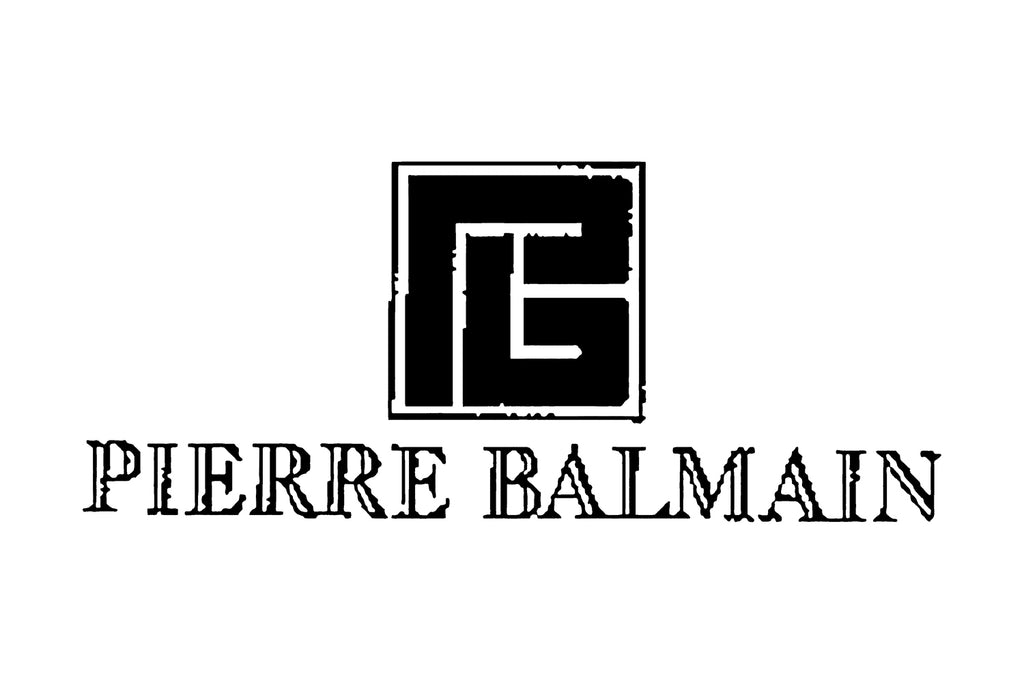
Image Courtesy of Balmain
1983 - 2018
The era between 1983 and 2018 marked a new chapter in the history of Balmain logo design. This period witnessed a conscious shift from previous iterations, all while maintaining the core identity of the brand. The design aficionados out there will recall the old Balmain logo, which was elegant and captivating in its own right.
The old Balmain logo was dominated by the word “Balmain” written in an elegant and somewhat heavy serif type. The lettering had a classic flair, with the thickness of the glyphs varying throughout. This variation added a touch of sophistication, creating white gaps in the thickest parts. It was a design that balanced modernity with tradition, perfectly capturing the essence of the brand.
Below the word “Balmain,” the logo featured the word “Paris” in smaller letters. Unlike the heavy serif type of the brand name, the type for “Paris” was a simpler sans-serif, giving a crisp and understated nod to the brand's origin. This combination of fonts in the Balmain logo design represented a blend of the old and new, reflecting the evolution of the brand and its adherence to its roots.
The '90s saw the fashion world rapidly change, and Balmain was at the forefront of this transformation. The Balmain logo design continued to evolve, adapting to the new aesthetics of the time. The interplay between the elegant serif and the straightforward sans-serif became a defining aspect of the brand, resonating with a new generation of fashion enthusiasts.
As we moved into the 2000s, the Balmain logo design retained its fundamental elements but incorporated subtle changes to align with contemporary trends. The combination of different typefaces continued to capture the imagination of designers and consumers alike. The bold, powerful lines juxtaposed with the refined simplicity of the word "Paris" became symbolic of Balmain's constant pursuit of innovation.
By 2018, the Balmain logo design had become a beacon of luxury and style. It represented the brand's commitment to craftsmanship, quality, and cutting-edge design. The elegant combination of serif and sans-serif, the varying thickness, and the thoughtful placement of white gaps all contributed to a logo that was both timeless and trendy.
The Balmain logo design from 1983 to 2018 is a testament to the brand's ability to evolve without losing its unique identity. Through subtle adjustments and thoughtful design choices, the logo mirrored the ever-changing fashion landscape. It continued to blend classic elegance with modern sensibility, and in doing so, told a story of a brand that knows where it came from and where it's going. The Balmain logo design of this era is not just a logo; it's a symbol of artistic expression, a window into the soul of a brand that continues to inspire and innovate.
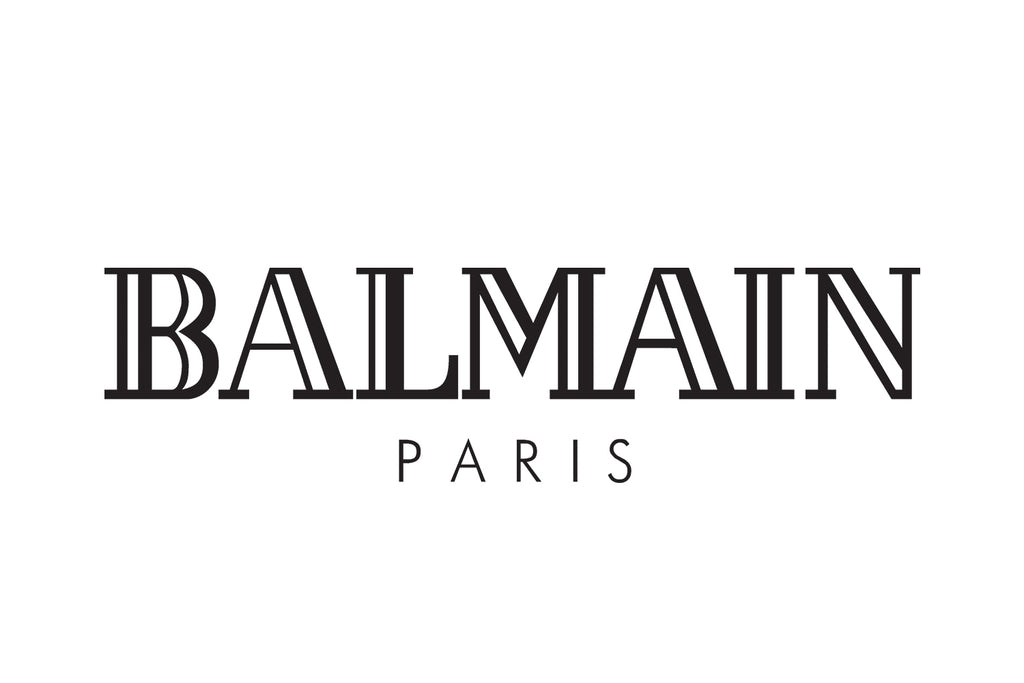
Image Courtesy of Balmain
2018 - Present
The Balmain logo design underwent a significant transformation in 2018, marking a bold new era for the iconic French fashion house. Guided by Olivier Rousteing, the brand's energetic and innovative creative director, the team embarked on a mission to reimagine the brand identity. The results were both contemporary and rooted in Balmain's rich heritage, reflecting the dual nature of its fashion philosophy.
The new Balmain logo design includes two standout elements that encapsulate the brand's ethos: a large “B” icon and the sleek wordmark “Balmain Paris.” These elements work together to create a visual identity that is instantly recognizable and resonates with both long-time admirers and new followers of the brand.
The large “B” icon is a masterstroke of design, encapsulating Balmain's commitment to boldness and creativity. Simple yet striking, the “B” represents not just the brand's name but also its underlying values of elegance, innovation, and modernity. Olivier Rousteing's influence is evident in this element of the Balmain logo design, where he seamlessly blends tradition with a contemporary edge.
Accompanying the “B” is the wordmark “Balmain Paris.” This element pays tribute to the brand's roots, echoing the elegance and refinement that have been hallmarks of Balmain since its inception. The use of a modern, clean font adds a fresh twist, and the inclusion of “Paris” continues to honor the brand's connection to one of the fashion capitals of the world.
The combination of these two elements in the Balmain logo design signifies a brand that is both aware of its rich history and excited about its future. It's a reflection of a fashion house that is continually evolving, yet grounded in its core values.
Since its introduction, the new Balmain logo design has become a symbol of the brand's resurgence in the global fashion scene. It aligns with the edgy, youthful direction that Rousteing has been steering the brand towards. Whether seen on the runways, in stores, or across social media, the logo represents a fashion house that is unafraid to redefine itself.
In the world of fashion, where trends come and go, the Balmain logo design has managed to remain timeless while embracing change. From 2018 to the present, the logo's evolution tells a story of a brand that is dynamic and responsive to the ever-changing fashion landscape.
The Balmain logo design from 2018 to the present is a lesson in design innovation and brand storytelling. Olivier Rousteing and his design team have crafted a visual identity that speaks to Balmain's heritage and its future, creating a logo that is as stylish, elegant, and relevant as the fashion it represents. The new Balmain logo design is not just a symbol; it's a manifestation of a brand that knows how to reinvent itself while staying true to its essence. It's a timeless testament to the art of design, connecting past, present, and future in a singular expression of fashion excellence.
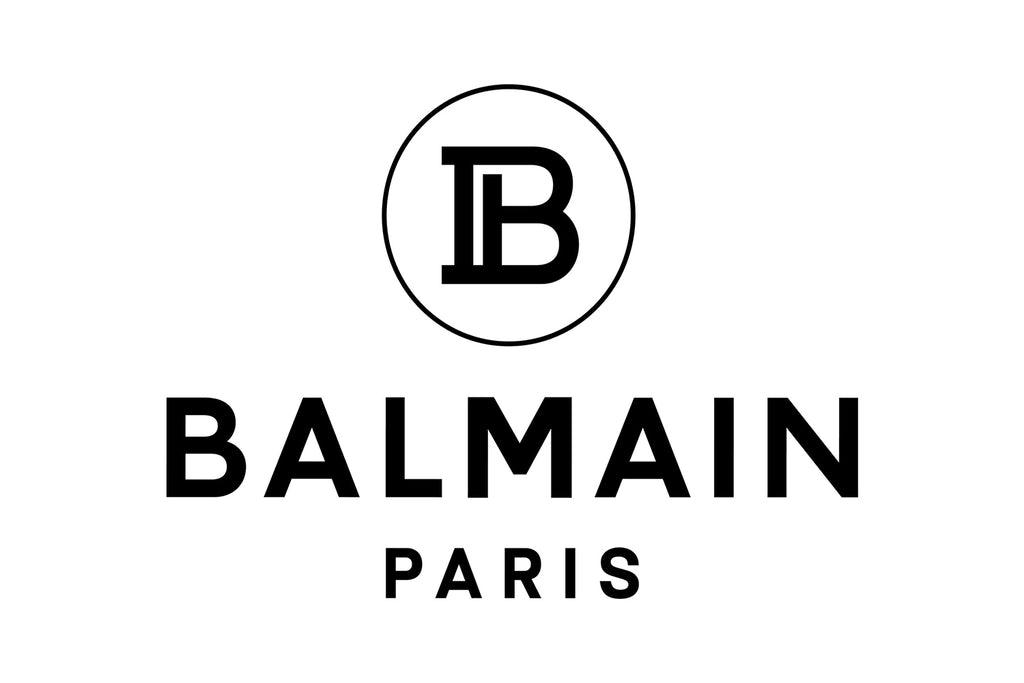
Image Courtesy of Balmain
What Is The Meaning Behind The Balmain Logo Design
The Balmain logo design may look simple at first glance, but behind its clean appearance lies a strong story of luxury, confidence, and fashion authority. Unlike brands that rely on symbols or ornate details, Balmain chooses a bold wordmark to communicate its identity. This decision reflects the house’s belief that true luxury does not need excessive decoration to stand out.
At the heart of the Balmain logo design is typography. The all-capital lettering instantly conveys strength, structure, and prestige. Capital letters have long been associated with power and tradition, making them a natural choice for a fashion house rooted in Parisian haute couture. The balanced spacing between letters adds a sense of calm confidence, showing that Balmain knows exactly who it is.
The minimalist nature of the Balmain logo design also speaks to timelessness. Fashion trends change rapidly, but a clean wordmark resists becoming outdated. By avoiding symbols, illustrations, or trend-driven elements, Balmain ensures its logo can move seamlessly from runway collections to perfumes, accessories, and digital platforms without losing impact.
Another key meaning behind the Balmain logo design is authority. The bold typeface feels commanding, almost architectural, which aligns perfectly with the brand’s signature structured silhouettes and sharp tailoring. This visual strength mirrors Balmain’s reputation for confident, statement-making fashion that celebrates individuality and power.
The logo also reflects inclusivity and modern luxury. While Balmain is undeniably a high-end brand, its logo design avoids feeling distant or overly formal. The clarity of the lettering makes the name instantly readable and recognizable, whether on a jacket label, storefront, or social media post. This approach allows Balmain to feel aspirational yet accessible in the modern fashion landscape.
Color plays an important role as well. Traditionally presented in black or white, the Balmain logo design relies on contrast rather than color complexity. Black represents elegance, authority, and sophistication, while white offers balance and refinement. This neutral palette allows the logo to adapt effortlessly across different collections and visual campaigns.
Ultimately, the meaning behind the Balmain logo design lies in confidence without excess. It tells a story of a fashion house that values heritage, strength, and modern relevance. By letting typography take center stage, Balmain proves that sometimes the most powerful design statement is simply saying your name—and saying it boldly.
How The Balmain Logo Design Reflects Luxury Fashion
The Balmain logo design is a perfect example of how luxury fashion can speak loudly without saying too much. In an industry often filled with elaborate symbols and decorative crests, Balmain takes a confident step back and lets simplicity do the heavy lifting. This approach is not accidental. It reflects a modern understanding of luxury, where confidence, clarity, and consistency matter more than visual excess.
At the core of the Balmain logo design is a bold, all-caps wordmark. This typographic choice instantly communicates authority and refinement. Luxury fashion brands often rely on strong letterforms to project heritage and power, and Balmain does this with precision. The clean lines and balanced proportions echo the brand’s signature structured silhouettes, sharp tailoring, and commanding runway presence.
What truly elevates the Balmain logo design is its restraint. Luxury is no longer about being loud or ornate; it is about being unmistakable. By avoiding symbols or graphic elements, Balmain ensures that its name becomes the icon. This minimalism aligns with high-fashion values, where quality and confidence speak louder than decoration.
The logo’s adaptability also reflects luxury fashion standards. Whether placed on couture garments, accessories, fragrance bottles, or digital campaigns, the Balmain logo design remains instantly recognizable. Its neutral black-and-white presentation allows it to blend seamlessly with bold fabrics, rich textures, and dramatic styling without competing for attention.
Another way the Balmain logo design reflects luxury fashion is through its timeless appeal. Trends come and go, but typography-driven logos tend to age gracefully. Balmain’s wordmark avoids trendy fonts or experimental layouts, ensuring it stays relevant across generations. This long-term thinking is a hallmark of true luxury branding.
The logo also mirrors the brand’s confident attitude. Balmain fashion is known for its bold shoulders, sharp lines, and unapologetic glamour. The logo design carries the same energy. The capital letters feel assertive, almost architectural, reinforcing the idea that Balmain is not a background brand but a statement one.
Luxury fashion is also about exclusivity paired with recognition. The Balmain logo design achieves this balance beautifully. It feels elite without being difficult to read or understand. This clarity helps the brand connect with a global audience while maintaining its high-end status.
In the end, the Balmain logo design reflects luxury fashion by mastering the art of less. It proves that elegance does not need complexity, and prestige does not require explanation. With strong typography, thoughtful restraint, and timeless execution, Balmain’s logo stands as a modern symbol of fashion authority and refined confidence.
Why The Balmain Logo Design Works In Modern Fashion Branding
The Balmain logo design is a masterclass in modern fashion branding, proving that simplicity can be just as powerful as spectacle. In a digital-first world where logos must perform across runways, storefronts, websites, and social media feeds, Balmain’s clean wordmark delivers instant recognition without visual overload.
One of the biggest reasons the Balmain logo design works so well today is clarity. The all-capital typography is bold, legible, and confident, making the brand name unmistakable at any size. Whether it appears on a luxury handbag, a perfume bottle, or a mobile screen, the logo remains sharp and readable. This level of versatility is essential in modern branding, where logos must adapt to countless platforms.
Minimalism is another key factor behind the success of the Balmain logo design. Modern fashion consumers are drawn to brands that feel confident and intentional rather than cluttered or overdesigned. By removing unnecessary symbols and decorative elements, Balmain allows its name to take center stage. This creates a strong emotional connection, as the logo feels self-assured and unapologetic.
The Balmain logo design also aligns perfectly with contemporary luxury values. Today’s luxury is less about tradition for tradition’s sake and more about attitude, storytelling, and presence. Balmain’s logo reflects this shift by feeling timeless yet modern, classic yet bold. It bridges heritage and innovation without leaning too heavily in either direction.
Another reason the logo works in modern fashion branding is consistency. Balmain uses its logo in a disciplined way across all touchpoints. From runway backdrops to social media campaigns, the logo appears with the same structure and spacing, reinforcing brand recognition. Consistency builds trust, and in the fashion world, trust translates directly into desirability.
The neutral color palette further strengthens the Balmain logo design. Black and white allow the logo to coexist effortlessly with dramatic fashion visuals, rich textures, and bold color stories. Instead of competing with the clothing, the logo complements it, acting as a signature rather than a distraction.
Modern branding also thrives on cultural relevance, and Balmain excels here. The logo’s strong, commanding presence mirrors the brand’s bold aesthetic and celebrity-driven image. It feels at home in high-fashion editorials, music videos, and social media moments, making it especially effective with younger, style-conscious audiences.
Ultimately, the Balmain logo design works in modern fashion branding because it understands its role. It does not try to be the star of the show; it supports the fashion, the attitude, and the story. By combining simplicity, adaptability, and confidence, Balmain’s logo proves that in today’s fashion world, less really can be more.
Conclusion
The evolution of the Balmain logo design reflects the brand’s commitment to strength, clarity, and timeless luxury. By relying on bold typography and a minimalist approach, Balmain has created a visual identity that remains powerful across decades and fashion eras. The logo design perfectly mirrors the house’s confident silhouettes, modern attitude, and Parisian heritage. As trends shift and branding styles change, Balmain continues to stand out by staying true to its core values. This balance of tradition and modernity proves that a well-crafted logo design can become as iconic as the fashion it represents.
Let Us Know What You Think!
Every information you read here are written and curated by Kreafolk's team, carefully pieced together with our creative community in mind. Did you enjoy our contents? Leave a comment below and share your thoughts. Cheers to more creative articles and inspirations!
Related Articles


Leave a Comment