
How to Draw People of All Shapes and Actions
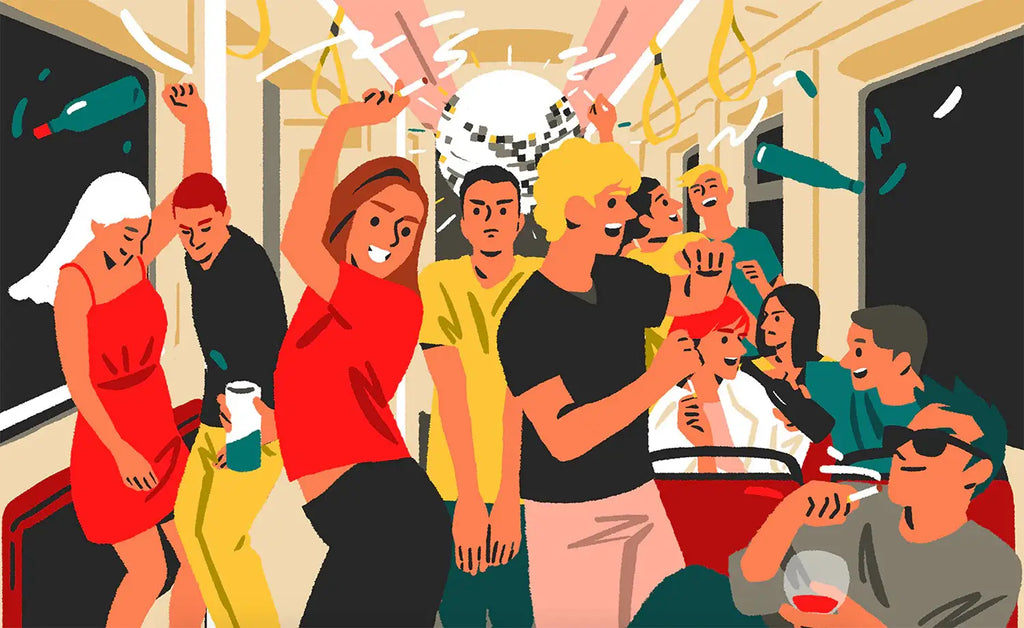
Source: Sua Balac, Cleanliness In Public Transportation, Behance, https://www.behance.net/gallery/83690205/cleanliness-in-public-transportation-illustrations
Learning how to draw people can feel challenging at first, especially when you try to capture different body shapes and dynamic actions. However, with the right approach, anyone can build the skills needed to create expressive and believable human figures. This guide is designed to help beginners understand the basics of drawing people by focusing on simple shapes, body structure, and movement.
When you draw people, it is important to start with foundational techniques that break the body into manageable forms. By using basic shapes, you can easily construct figures of various sizes and proportions. This makes it easier to adapt your drawings to different body types while maintaining balance and accuracy.
In addition to understanding shape, capturing action is key to making your drawings feel alive. Whether it is a person walking, sitting, or running, learning how to represent movement will bring energy and realism to your artwork. This article will guide you step by step, helping you gain confidence and improve your ability to draw people in a variety of shapes and actions.
Understanding Basic Shapes In Drawing
When you first learn to draw people, one of the most effective techniques is to start with basic shape construction. Instead of focusing on details right away, break the human body into simple forms such as circles, rectangles, and ovals. These shapes act as a framework that helps you organize proportions and build a solid structure.
Using shape as a foundation allows you to simplify complex anatomy. For example, the head can be drawn as a circle, the torso as a rectangle, and the limbs as cylinders or elongated shapes. This method makes it easier to adjust posture and create different body types while maintaining balance. It also helps you visualize how the body moves during any action.
Another advantage of using shapes is flexibility. Whether you want to draw people who are slim, muscular, or more rounded, adjusting the size and proportion of each shape can quickly change the overall look. This approach is especially helpful for beginners who are still learning how to control proportions.
By mastering basic shapes, you create a strong starting point for every drawing. It builds confidence and makes it easier to move on to more advanced techniques like shading and detailing. Over time, this simple method will become second nature when you draw people in different shapes and actions.
Breaking Down The Human Body Structure
To draw people more accurately, it is important to understand how the human body is structured. Instead of seeing the body as one complex form, break it into smaller sections such as the head, chest, pelvis, arms, and legs. This approach helps you control proportions and improves the overall balance of your drawing.
Each section of the body can be represented using simple shapes, making it easier to connect them naturally. For instance, the torso can be divided into two main parts: the ribcage and the pelvis. These parts tilt and move differently, which plays a big role in creating realistic action and posture.
Understanding body structure also helps when drawing different poses. When you draw people in action, such as walking or jumping, the relationship between each body part becomes more dynamic. Knowing where joints are located and how they move allows you to create more believable motion.
By studying the structure of the body, you can draw people with greater confidence and accuracy. It also makes it easier to experiment with different shapes and poses without losing proportion. With practice, this method will help you create figures that feel natural and full of life.
Learning Proportions For Different Shapes
To draw people effectively, understanding proportions is essential, especially when working with different body shapes. Proportion refers to the relationship between various parts of the body, such as the size of the head compared to the torso or the length of the arms relative to the legs. By learning these relationships, you can create more balanced and realistic figures.
While there are standard guidelines, such as the average human body being around seven to eight heads tall, it is important to adapt these rules when drawing different shapes. For example, a stylized character may have a larger head or shorter limbs, while a more realistic figure follows closer proportions. This flexibility allows you to draw people in a variety of styles while maintaining visual harmony.
Practicing different proportions also helps you represent diversity. People come in many shapes, from tall and slim to short and broad. Adjusting the size and placement of your basic shapes will help you reflect these variations naturally. It also enhances your ability to depict unique characters.
When combined with action, proportions become even more important. Movement can distort how body parts appear, so understanding proportion ensures your drawing remains believable. With consistent practice, you will gain confidence in drawing people with accurate proportions across various shapes and actions.
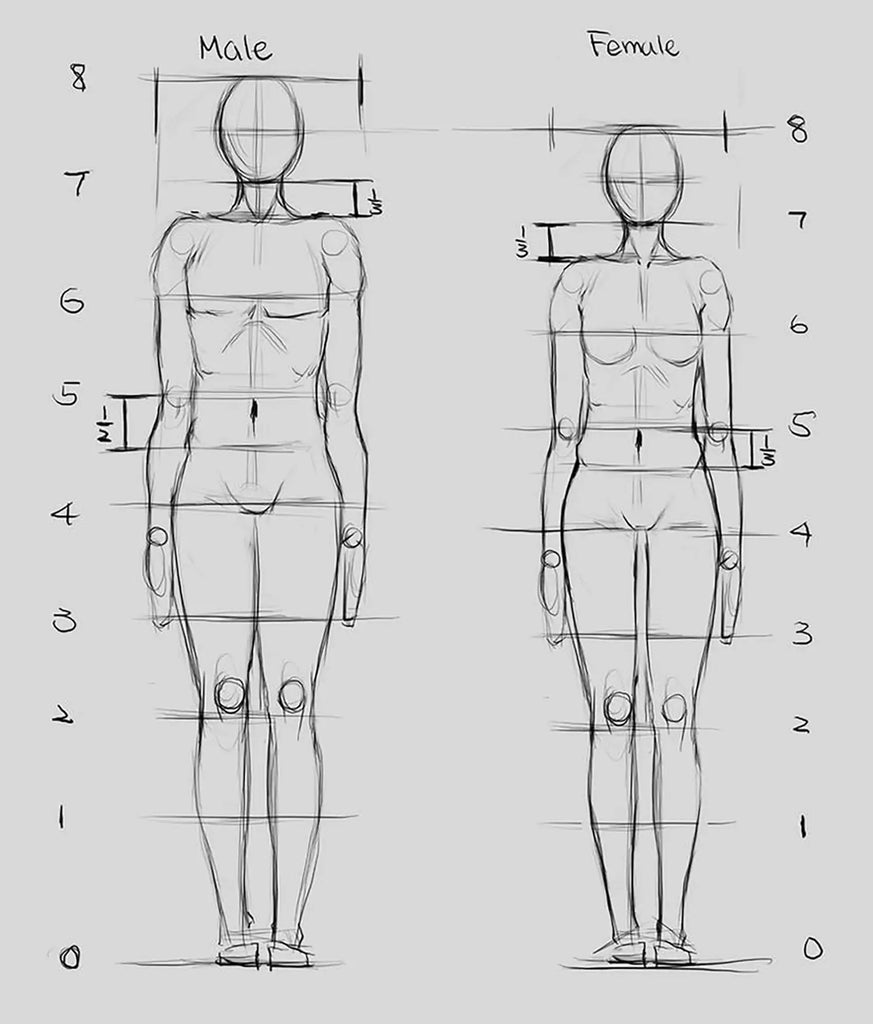
Source: Renevatia, Proportions, Deviantart, https://www.deviantart.com/renevatia/art/Proportions-1-152853182
Using Gesture Drawing For Action
Gesture drawing is a powerful technique that helps you capture the essence of movement when you draw people. Instead of focusing on precise details, gesture drawing emphasizes flow, rhythm, and the overall action of the figure. This makes your drawings feel more dynamic and alive.
Start by using quick, loose lines to map out the direction of the body. These lines represent the spine, limbs, and overall posture. By focusing on movement first, you can establish a strong sense of action before refining the shape. This approach prevents your drawing from looking stiff or unnatural.
Gesture drawing is especially useful when practicing action poses like running, jumping, or bending. It allows you to quickly explore different positions without worrying about perfection. Over time, this builds your ability to visualize and recreate motion more effectively.
Once the gesture is established, you can layer basic shapes on top to build the figure. This combination of gesture and structure helps you draw people with both accuracy and energy. Regular practice of gesture drawing will greatly improve your ability to capture action and create expressive figures in various shapes.
Practicing Dynamic Poses
To draw people with confidence, practicing dynamic poses is an important step. A dynamic pose shows movement and energy, helping your drawing feel more natural and engaging. Instead of drawing stiff, straight figures, focus on poses that involve bending, twisting, or shifting weight. This approach brings life into your artwork and improves your understanding of action.
Begin by studying simple actions such as walking, sitting, or reaching. Observe how the body changes shape during movement. For example, when a person walks, one leg moves forward while the opposite arm swings naturally. Capturing these subtle shifts will make your drawings more believable.
Using reference images can also help you explore a variety of poses. Try sketching quickly to capture the overall action before refining details. This allows you to focus on movement rather than perfection. Over time, you will become more comfortable drawing complex poses from imagination.
Dynamic poses also challenge your ability to maintain proportion and balance. As you draw people in motion, pay attention to how weight is distributed across the body. With regular practice, you will develop the skill to create expressive figures in different shapes and actions.
Simplifying Complex Movements
When you draw people in action, some movements can appear complicated at first. To make the process easier, break down complex actions into smaller, manageable steps. This method helps you understand how each part of the body contributes to the overall movement.
Start by identifying the main action line, which represents the direction of the body. Then, divide the figure into basic shapes to map out the position of the head, torso, and limbs. By focusing on simple shape construction, you can quickly organize the structure before adding details.
Pay close attention to joints such as shoulders, elbows, hips, and knees. These areas control how the body moves and bends. Understanding their function allows you to draw people more accurately, especially during actions like running or lifting.
Simplifying movement also helps you avoid feeling overwhelmed. Instead of trying to capture everything at once, build your drawing step by step. This approach improves both clarity and confidence. As you continue practicing, you will find it easier to draw people in a wide range of shapes and actions with greater control and fluidity.
Observing Real Life References
One of the most effective ways to improve your ability to draw people is by observing real-life references. Studying how people look and move in everyday situations gives you a deeper understanding of shape, proportion, and natural action. Whether you are watching someone walk, sit, or interact, these real moments provide valuable insight that cannot always be learned from imagination alone.
When you observe carefully, you begin to notice how different body shapes affect posture and movement. For example, a tall person may carry themselves differently compared to someone shorter or broader. These subtle differences are important when you want to draw people with realism and variety.
Using photos or live references also helps you capture accurate details. Pay attention to how clothing follows the body shape and reacts during action. Notice how weight shifts and how the body balances itself in different poses. These observations will make your drawings feel more authentic and lively.
Practicing from real-life references regularly will sharpen your visual skills. Over time, you will develop the ability to remember and recreate different shapes and actions more easily. This habit is essential for anyone who wants to draw people with confidence and accuracy.

Source: Khang Giate, Daily Life, Behance, https://www.behance.net/gallery/83662307/ILLUSTRATION-Daily-life
Adding Volume And Depth
After establishing the basic structure, the next step to draw people effectively is adding volume and depth. This process transforms flat shapes into more realistic three-dimensional forms. By doing this, your drawings will appear more lifelike and visually engaging.
Start by thinking of each body part as a 3D object. For example, the arms and legs can be imagined as cylinders, while the torso can be built from box-like shapes. This approach helps you understand how light and shadow interact with the body, enhancing the sense of depth.
Shading plays a key role in creating volume. Light areas and darker shadows define the form and make the figure stand out. When you draw people in action, shading also helps emphasize movement by showing how muscles and shapes shift.
Adding depth does not mean overcomplicating your drawing. Keep your forms simple and gradually build detail as needed. With practice, you will be able to combine shape, structure, and action seamlessly, resulting in drawings that feel solid, dynamic, and full of life.
Refining Details And Features
Once you have built a solid foundation using basic shape and structure, the next step to draw people is refining the details and features. This stage is where your drawing begins to come to life, as you add personality and clarity to the figure. Start by improving the outline of your sketch, smoothing out rough lines while maintaining the original action and flow.
Focus on key areas such as the face, hands, and clothing. Facial features should be placed carefully to match the proportions of the head, while hands and feet should reflect the movement of the pose. These details play an important role in expressing emotion and enhancing the overall action of your drawing.
Clothing also helps define the shape of the body. Pay attention to how fabric folds and stretches depending on movement. For example, tight areas may create tension lines, while loose fabric may flow with the action. These small observations make a big difference when you draw people realistically.
Refining details does not mean overworking your drawing. Keep it balanced and clear, focusing on elements that support the overall shape and action. With practice, you will learn how to add just the right amount of detail to enhance your artwork.
Practicing Consistently With Variety
The most important step to improve your ability to draw people is consistent practice. Drawing regularly helps you build confidence and strengthens your understanding of shape, proportion, and action. The more you practice, the more natural the process becomes.
Try to explore a wide range of subjects when you practice. Draw people of different ages, body shapes, and poses to challenge your skills. This variety allows you to adapt to different situations and prevents your drawings from becoming repetitive.
Set small goals for each session, such as focusing on gesture drawing, improving proportions, or capturing specific actions. This keeps your practice structured and helps you track your progress over time. Even short daily sessions can lead to noticeable improvement.
Most importantly, do not be afraid to make mistakes. Every drawing is part of your learning process. By practicing consistently and experimenting with different shapes and actions, you will continue to grow and develop your ability to draw people with confidence and creativity.
Conclusion
Learning how to draw people becomes much easier when you understand the basics of shape, structure, and action. By starting with simple forms and gradually refining your work, you can create figures that feel balanced and full of life. Remember to practice regularly, observe real-life references, and explore different poses to improve your skills. Each step you take builds confidence and creativity. With patience and consistency, you will be able to draw people in a variety of shapes and actions, turning simple sketches into expressive and dynamic artwork.
Let Us Know What You Think!
Every information you read here are written and curated by Kreafolk's team, carefully pieced together with our creative community in mind. Did you enjoy our contents? Leave a comment below and share your thoughts. Cheers to more creative articles and inspirations!
Related Articles


Leave a Comment