
Simple Guides on How to Draw Cats And Dogs Easily
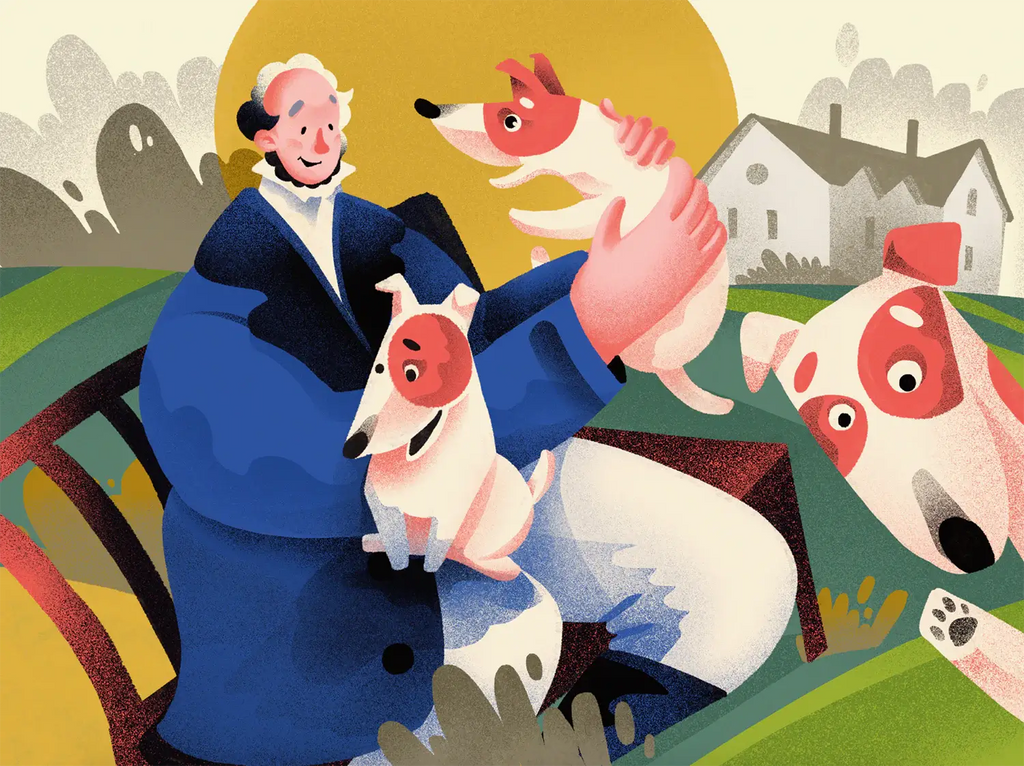
Source: Tubik Studio, Dog Breeds: Cute DIgital Illustrations, Behance, https://www.behance.net/gallery/118293597/Dog-Breeds-Cute-Digital-Illustrations
Learning how to draw cats and dogs can be a fun and rewarding skill for beginners, hobby artists, and anyone who loves animals. These popular pets have charming features, expressive faces, and playful poses that make them enjoyable subjects for sketching. If you want to draw cats and dogs with more confidence, the best approach is to begin with simple steps and build your skills little by little. Instead of focusing on perfection, it helps to understand the basic shapes, body proportions, and small details that give each animal its unique look.
When you draw cats and dogs, you also learn how to observe movement, posture, and expression in a more creative way. Cats often appear graceful, curious, and elegant, while dogs can look energetic, loyal, and full of personality. By noticing these differences, you can create drawings that feel more natural and full of life. This guide is designed to make the process easy to follow, even if you are just starting out. With friendly tips, simple techniques, and regular practice, you will soon find that it becomes much easier to draw cats and dogs in a style that feels clear, lively, and enjoyable.
Understand Basic Anatomy
Before you begin to draw cats and dogs, it’s important to have a basic understanding of their anatomy. Knowing the structure of these animals helps you capture their natural poses and movements more accurately. While you don’t need to know every bone and muscle, understanding the overall shapes and proportions is essential.
Cats are typically more slender with a flexible spine, which allows them to appear graceful and agile in their movements. Their bodies are built for stealth, with long legs and retractable claws. Their heads are rounded, and they have large, expressive eyes set in a triangular shape, giving them a unique facial structure.
Dogs, on the other hand, vary widely in anatomy depending on the breed. Some breeds have long, lean bodies, while others are more compact and muscular. Despite the differences, most dogs share similar structural features like strong jaws, broad paws, and a more prominent snout. Dogs tend to have a more relaxed and approachable appearance compared to the sleek elegance of cats.
Use References
One of the best ways to improve your ability to draw cats and dogs is by using photo references. References provide a visual guide to the proportions, textures, and small details that make each animal unique. Whether you’re trying to capture the specific features of a breed or the natural behavior of a pet, having an image to look at will help you draw more accurately.
When drawing cats, reference photos can help you understand the variety of body types and fur textures, from short-haired breeds like the Siamese to long-haired ones like the Persian. The way light interacts with the fur and the distinctive shape of the cat’s face can be tricky to capture without a visual reference.
For dogs, references are particularly helpful in studying the differences between breeds. A German Shepherd’s strong, angular features differ greatly from the rounder, more compact look of a Beagle. References also help with capturing facial expressions, as dogs are highly expressive animals, especially in their eyes and mouth.
Focus On Distinct Features
When you draw cats and dogs, it’s essential to focus on the distinct features that set them apart. Paying attention to these details will make your drawings more lifelike and expressive. Cats and dogs each have unique characteristics that can be emphasized to create a more accurate portrayal.
Cats are known for their sharp, angular features. Their almond-shaped eyes, pointed ears, and slender bodies give them a graceful and sleek appearance. Focusing on their eyes, in particular, can bring a lot of personality to your drawing since cats often have wide, alert eyes. Additionally, their whiskers are a prominent feature that adds to their elegance, so be sure to include them in your sketch.
Dogs, on the other hand, have a broader range of facial expressions and body shapes, depending on the breed. Their snouts are usually more pronounced, and their ears can be floppy, upright, or somewhere in between. Pay attention to these details when drawing different dog breeds. For example, a Basset Hound’s long, droopy ears are very distinct, while a Dalmatian’s spots are its defining feature.

Source: Rachel Foo, Cats 2020, Behance, https://www.behance.net/gallery/115269913/Cats-2020
Practice Different Poses
Once you’re comfortable with drawing the basic anatomy of cats and dogs, it’s time to practice different poses to make your drawings more dynamic and realistic. Cats and dogs are both active animals, and capturing their movement can add life and energy to your sketches.
For cats, focus on their fluid, flexible movements. Cats are known for their graceful leaps, stretches, and lounging positions. Practice drawing a cat mid-pounce, or curled up in a ball, and pay attention to the natural curve of their bodies. These poses highlight their agility and give your drawing a more natural feel.
Dogs, on the other hand, are often full of energy and enthusiasm. Try sketching dogs in different action poses like running, jumping, or playing fetch. You can also practice more relaxed poses, like a dog lying down or sitting attentively. Drawing dogs in various positions helps you understand how their limbs and muscles move together, which is crucial for creating believable action scenes.
Capture The Fur Texture
Capturing the fur texture is an essential part of drawing cats and dogs, as it adds realism and depth to your sketches. Both animals have distinct fur patterns and textures, and knowing how to represent them will make your drawing more authentic.
When drawing cats, their fur tends to be smooth and sleek, especially in short-haired breeds. Use fine, controlled strokes to create this sleekness. For long-haired cats, such as Persians, longer, more fluid strokes help to illustrate the softness and volume of their coats. Pay close attention to how the fur flows around the face and limbs, which adds to the natural feel of the sketch.
Dogs, on the other hand, come in a wider variety of fur textures. Some breeds have short, coarse fur, while others, like Golden Retrievers, have thicker, wavier coats. To capture this, adjust your stroke length and pressure accordingly. Short, quick strokes work well for shorter coats, while longer, more sweeping strokes create the look of fluffier, thicker fur.
Emphasize The Ears
When you draw cats and dogs, emphasizing the ears is key to capturing the unique personality and breed-specific traits of each animal. Ears play a significant role in how these animals express themselves, making them a crucial detail to get right in your sketches.
For cats, ears are typically pointed and upright, giving them a sleek and alert appearance. The triangular shape of their ears is a defining feature, so make sure to proportion them accurately in relation to the head. Additionally, observe the position and angle of the ears, as they can communicate a cat’s mood—forward-facing ears suggest curiosity or attentiveness, while slightly flattened ears may indicate irritation or fear. When sketching, don’t forget to add light shading or texture to mimic the fine hairs inside the ear.
Dogs, on the other hand, have a wide variety of ear shapes depending on the breed. From the floppy ears of a Beagle to the erect ears of a German Shepherd, capturing the unique ear structure is essential for breed recognition. Pay attention to how the ears fold or stand, and how they attach to the head. Like cats, dogs also express emotions through their ears, with perked ears indicating excitement or alertness and drooping ears showing relaxation or submission.
By emphasizing the ears in your drawings, you’ll not only enhance the likeness of your cats and dogs but also bring their expressions and character to life.
Give The Nose Simple Details
When drawing cats and dogs, the nose is a small but important feature that can greatly impact the overall appearance of your sketch. To make the nose look realistic yet easy to draw, focus on keeping the details simple. Both cats and dogs have distinct nose shapes that are easy to capture with a few essential lines and shading techniques.
For cats, the nose is typically small and triangular, with a slightly rounded bottom. Start by drawing a basic triangle with soft, rounded edges. Cats’ noses often appear more delicate, so don’t overwork the lines. Add simple shading to indicate where the nose catches light and where it’s shadowed. A light touch is usually enough to bring out the texture and shape.
Dogs’ noses vary depending on the breed but are generally larger and more pronounced. Begin by outlining a wide, rounded shape, almost oval, with a flat top. Add subtle texture to represent the leathery surface of a dog’s nose by including small dots or fine lines within the nose. Pay attention to where light hits the nose, as it often shines slightly, so a highlight at the top can add realism.
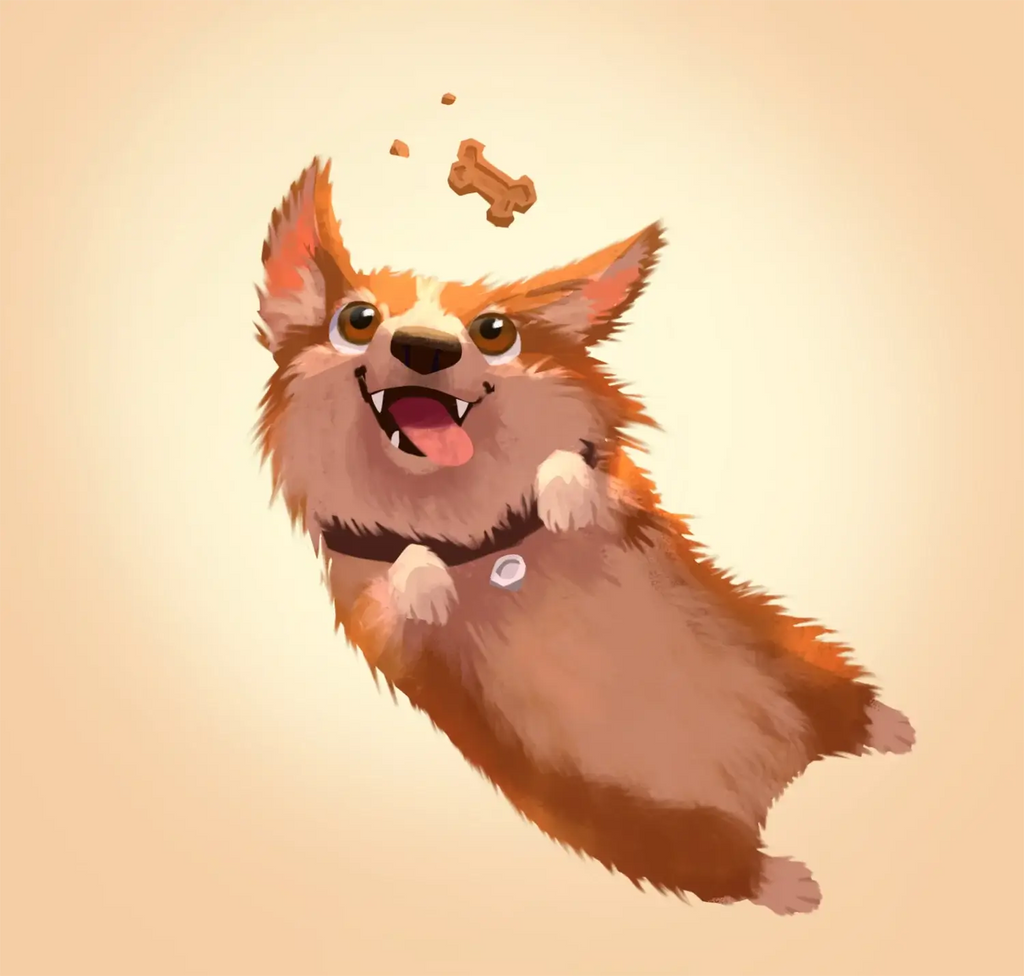
Source: Lynn Chen, Mochi The Corgi, Instagram, https://www.behance.net/gallery/45897617/Mochi-the-Corgi
Focus On Expression
Capturing the expression of cats and dogs is one of the most important elements when drawing these animals. Their facial expressions can communicate a wide range of emotions, from happiness and curiosity to contentment and mischief. Focusing on these details will add life and personality to your sketches.
For cats, expressions are often more subtle and can be conveyed through their eyes and mouth. Cats tend to have a calm or mysterious look, with their almond-shaped eyes being a key feature. Pay attention to the shape of the eyes and how slight variations can suggest different moods—wide eyes may indicate curiosity, while half-closed eyes suggest relaxation. The mouth is minimal but can be curved slightly upward for a more playful expression.
Dogs, on the other hand, are known for their expressive faces. Their emotions are often more pronounced, especially in their eyes and eyebrows. A happy dog typically has a wide-open mouth, with the tongue hanging out, while a more relaxed expression may show a closed mouth and soft eyes. Pay close attention to the position of the eyebrows, as they can dramatically alter a dog’s expression, indicating excitement or concern.
Experiment With Different Styles
As you learn to draw cats and dogs, experimenting with different styles can enhance your creativity and expand your artistic skills. While realistic drawings help you understand the anatomy and characteristics of animals, exploring other styles allows you to infuse your own personality into your artwork.
One popular style to try is cartoon or caricature drawing. In this approach, you exaggerate features like the eyes, ears, or tail to create a playful and whimsical look. For example, giving a cat oversized eyes or a dog an exaggerated smile can add charm and humor to your drawings. This style is often less about accuracy and more about capturing the essence of the animal.
On the opposite end, minimalist or line-art drawings focus on simplicity, using just a few lines to represent the shape of the animal. This style requires careful attention to detail since every line counts, but it can create striking, elegant representations of cats and dogs.
You can also explore more stylized or abstract approaches, where colors, patterns, or shapes are used to represent the animal in a unique way. Trying different mediums, such as watercolors, ink, or digital drawing tools, can also inspire new artistic techniques.
Practice Regularly
To master drawing cats and dogs, regular practice is essential. Drawing is a skill that improves with consistency and time, so the more you practice, the better your results will be. Setting aside time each day or week to work on your drawings will help you develop muscle memory and a deeper understanding of how to capture these animals on paper.
Start by practicing simple shapes and basic anatomy. Repetition of these foundational elements will help you become more comfortable with proportions and structure. As you progress, challenge yourself to draw different breeds, focusing on the distinct features that set them apart. Whether it's the sleek body of a Siamese cat or the fluffy coat of a Golden Retriever, practicing various breeds will improve your versatility as an artist.
Incorporating quick sketches or gesture drawings into your routine is also helpful. These fast, loose sketches allow you to capture movement and action, making your drawings more dynamic. Over time, you’ll become faster and more confident in your ability to draw cats and dogs in various poses and situations.
Remember, improvement comes with practice, so don’t be discouraged by early mistakes. Each drawing, whether a success or learning opportunity, brings you closer to mastering the art of drawing cats and dogs.
Conclusion
Learning to draw cats and dogs becomes much easier when you break the process into simple steps and practice regularly. From sketching basic shapes to refining facial features, fur, and body posture, each stage helps you improve your confidence and skill. When you draw cats and dogs often, you also begin to understand their unique personalities and movements more clearly. The key is to stay patient, keep your lines light at first, and enjoy the creative process. With time, observation, and consistent practice, anyone can draw cats and dogs in a way that looks charming, lively, and full of character.
Let Us Know What You Think!
Every information you read here are written and curated by Kreafolk's team, carefully pieced together with our creative community in mind. Did you enjoy our contents? Leave a comment below and share your thoughts. Cheers to more creative articles and inspirations!
Related Articles


Leave a Comment