Skip to content

Cart

Your cart is empty

Article: Integrating Feng Shui Wisdom for Powerful Logo Designs

Integrating Feng Shui Wisdom for Powerful Logo Designs
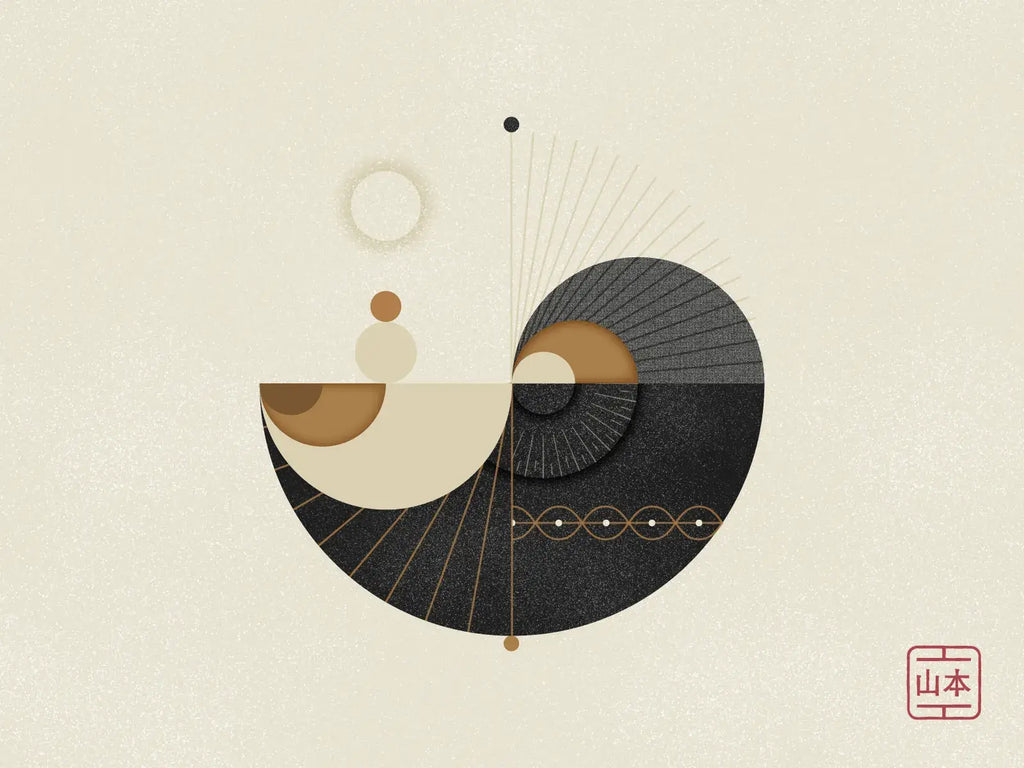
Source: Fabio Issao, Solitude or Small Meditations #17, Dribble, https://dribbble.com/shots/15269286-Solitude-or-small-meditations-17

A logo is more than just a visual identity—it is an energetic symbol that represents a brand’s values, mission, and aspirations. By incorporating Feng Shui wisdom into logo designs, businesses can harness the power of balance, harmony, and positive energy to create a strong and lasting impact. Rooted in ancient Chinese philosophy, Feng Shui emphasizes the flow of energy, or “chi,” through elements, colors, shapes, and symbols. When applied strategically, these principles enhance a brand’s presence, attract prosperity, and establish trust with audiences.

Feng Shui offers a holistic approach to design by considering how visual elements interact with energy forces. Each shape, color, and symbol carries a unique frequency that influences perception and emotional response. For instance, circular logos promote unity and wholeness, while upward-facing elements signify growth and ambition. Choosing the right combination of these elements can create a harmonious and powerful brand identity.

This article explores how designers can integrate Feng Shui principles into logo designs to create visually appealing, meaningful, and energetically aligned symbols. Whether for corporate branding or personal logos, understanding and applying these principles can make a significant difference in the effectiveness and success of a logo.

Understanding the Five Elements

In Feng Shui, the five elements—wood, fire, earth, metal, and water—play a crucial role in shaping energy flow. When applied to logo designs, these elements help create balance, attract positive energy, and reinforce a brand’s identity. Each element carries specific characteristics that influence perception and emotional impact.

Wood represents growth, creativity, and expansion. It is associated with green and brown tones, as well as organic, elongated shapes. Brands that focus on wellness, sustainability, or education can benefit from incorporating wood elements into their logo designs.

Fire symbolizes passion, energy, and transformation. It is represented by red, orange, and strong angular shapes like triangles. Fire elements are ideal for businesses in entertainment, marketing, and technology, where boldness and dynamism are essential.

Earth provides stability, reliability, and grounding. It is linked to yellow, beige, and square shapes that communicate trust and dependability. Industries like real estate, finance, and construction often use earth-based designs to convey security and longevity.

Metal signifies precision, strength, and clarity. White, gray, and metallic shades, along with circular or geometric patterns, reflect metal’s qualities. This element is commonly found in technology, engineering, and luxury brand logos.

Water embodies fluidity, communication, and adaptability. Blue hues, wavy patterns, and curved designs represent water. Businesses in travel, consulting, and health services benefit from water-based logo designs that promote flexibility and trust.

By understanding these five elements, designers can create logos that align with brand values while enhancing the flow of positive energy.

Choosing Colors With Energy in Mind

Color is one of the most powerful elements in Feng Shui, influencing emotions, perceptions, and energy flow. When designing a logo, selecting the right colors ensures alignment with the brand’s essence while enhancing its overall impact.

Red is associated with the fire element and symbolizes power, excitement, and passion. It is often used in logo designs for brands that want to capture attention and convey strong emotions, such as entertainment, food, and sports companies.

Blue represents the water element, signifying trust, calmness, and communication. It is widely used in corporate, financial, and healthcare logos to project professionalism and stability.

Green is linked to the wood element, symbolizing growth, renewal, and vitality. Companies in wellness, sustainability, and education use green to reinforce themes of health and development.

Yellow is connected to the earth element, representing warmth, optimism, and reliability. It is a great choice for brands that want to exude friendliness and positivity, such as those in hospitality and retail.

White, Gray, and Metallic Shades align with the metal element, promoting precision, efficiency, and clarity. These colors are commonly found in technology, luxury, and automotive logo designs.

Black and Deep Blue convey depth, mystery, and sophistication. While not directly tied to a single Feng Shui element, they can enhance contrast and authority when used strategically.

By choosing colors based on Feng Shui principles, designers can create logos that not only look visually appealing but also radiate the right energy to attract success.

Balancing Yin and Yang

Yin and Yang are the fundamental forces of Feng Shui, representing the balance between passive and active energies. When applied to logo designs, maintaining this balance creates harmony, making the brand visually appealing and energetically aligned.

Yin energy is soft, receptive, and calming. It is represented by curves, circular shapes, and cooler colors like blue, green, and gray. Brands that focus on wellness, hospitality, or holistic services benefit from Yin-based logo designs, as they evoke trust, tranquility, and nurturing energy.

Yang energy, on the other hand, is bold, active, and dynamic. It is symbolized by sharp angles, strong geometric forms, and fiery colors like red, orange, and yellow. Industries such as sports, technology, and finance often use Yang-dominant logos to exude strength, ambition, and innovation.

A well-balanced logo does not need equal parts of Yin and Yang, but rather the right proportion based on brand identity. A healthcare brand, for example, may primarily use Yin energy with subtle Yang elements to convey both care and professionalism. Meanwhile, a tech startup might incorporate more Yang energy while maintaining rounded edges or neutral tones to prevent excessive aggression.

Integrating both energies ensures a logo remains visually engaging, emotionally compelling, and energetically effective. Whether through shape, color, or typography, balancing Yin and Yang fosters an ideal blend of harmony and impact in Feng Shui-inspired logo designs.
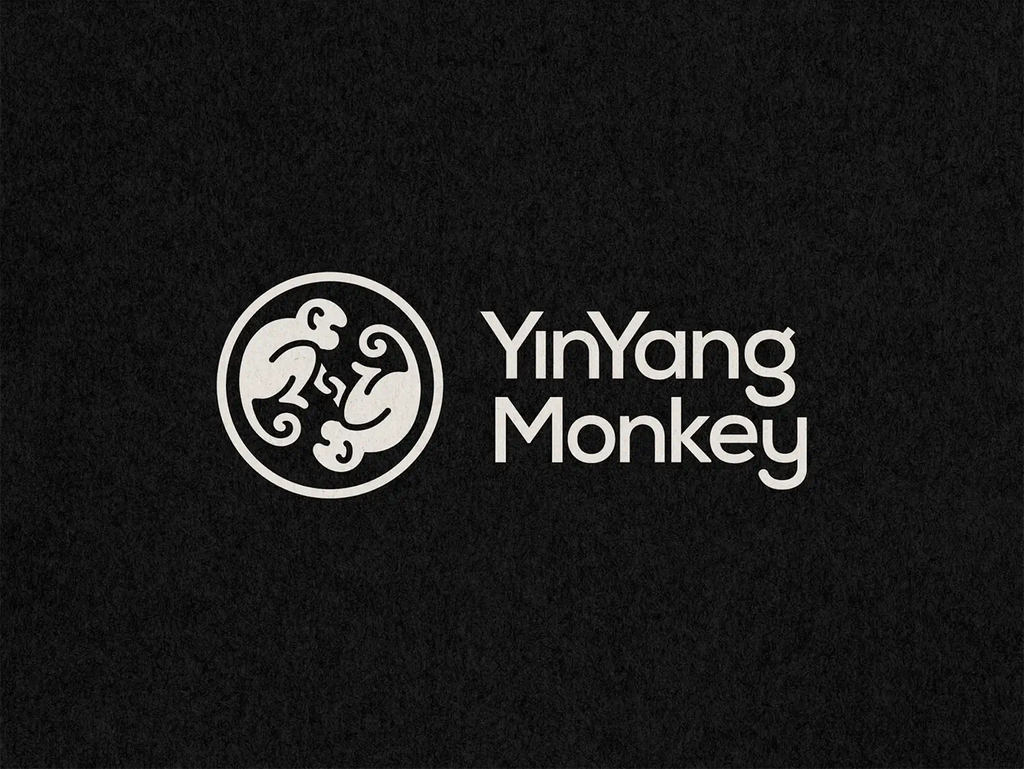
Source: Martine Lindstorm, YinYang Monkey - Logo, Dribble, https://dribbble.com/shots/7271077-YinYang-Monkey-Logo

Implementing Favorable Shapes

Shapes play a crucial role in Feng Shui, as they influence energy flow and perception. When applied to logo designs, they help establish the brand’s identity while maintaining a sense of balance and harmony.

Circular Shapes represent unity, wholeness, and infinite energy. They create a feeling of inclusiveness and flow, making them ideal for brands that emphasize community, wellness, or global connection. Circular logos help cultivate positive and harmonious energy.

Square and Rectangular Shapes symbolize stability, structure, and trust. These strong, grounded forms work well for industries that require reliability, such as finance, real estate, and security. They communicate strength and dependability.

Triangular Shapes embody action, ambition, and innovation. Upward-facing triangles represent growth and success, making them suitable for progressive industries like technology, startups, and leadership brands. However, overly sharp angles can create an aggressive feel if not balanced properly.

Curved and Wavy Shapes connect to water energy, promoting adaptability, communication, and creativity. They are excellent for brands that focus on movement, travel, or artistic expression. Soft curves can make a logo feel welcoming and friendly.

Hexagons and Octagons reflect harmony and balance. These complex yet symmetrical shapes are often associated with wisdom and holistic well-being, making them effective for brands in health, education, and spirituality.

By thoughtfully selecting the right shapes in logo designs, businesses can create a strong and meaningful brand presence while ensuring a smooth energy flow in alignment with Feng Shui principles.

Applying the Bagua Map

The Bagua Map is a fundamental Feng Shui tool used to analyze and optimize energy flow. When applied to logo designs, it helps position elements in ways that enhance prosperity, balance, and brand impact. The map consists of nine sectors, each representing an essential life area:

Wealth (Top Left): Incorporating symbols of abundance, such as gold accents or flowing curves, enhances financial success.

Fame (Top Center): Strong, upward-focused elements and fiery colors like red amplify recognition and brand authority.

Relationships (Top Right): Soft, balanced shapes and harmonious colors promote trust, making this ideal for relationship-oriented brands.

Family (Left Center): Earth tones and stable, rectangular forms reinforce security and heritage, strengthening a brand’s foundation.

Health (Center): A symmetrical, well-proportioned design enhances harmony and longevity, promoting overall brand wellness.

Creativity (Right Center): Unique, fluid shapes and light tones stimulate innovation, making this area ideal for artistic and tech-focused brands.

Knowledge (Bottom Left): Deep blues, structured typography, and traditional symbols convey intelligence and expertise.

Career (Bottom Center): Water-inspired elements, wavy lines, and darker tones encourage adaptability and professional growth.

Helpful People (Bottom Right): Open, metallic, or white-toned designs attract networking opportunities and mentorship.

By structuring a logo based on the Bagua Map, designers can ensure that every element aligns with positive energy, reinforcing a brand’s mission while fostering success and harmony.

Utilizing Auspicious Symbols

In Feng Shui, symbols hold powerful meanings, influencing the energy a brand attracts. Incorporating auspicious symbols into logo designs can enhance prosperity, strength, and success by reinforcing positive associations with ancient wisdom.

The Dragon represents power, protection, and good fortune. It is often used in logos for financial institutions, security companies, and elite brands seeking to project dominance and success.

The Phoenix symbolizes renewal and transformation. Its presence in logo designs suits businesses that focus on innovation, growth, and rebirth, such as tech startups and personal development brands.

The Koi Fish is a sign of perseverance, prosperity, and ambition. It is frequently seen in wellness, finance, and lifestyle brands that aim to project resilience and success.

The Lotus Flower represents purity, enlightenment, and new beginnings. This symbol is particularly effective for wellness, beauty, and holistic health brands, reinforcing themes of balance and transformation.

The Infinity Loop embodies harmony, continuity, and limitless potential. Many brands in education, technology, and consulting use this symbol to reflect lasting success and ongoing growth.

Circular and Spiral Patterns signify unity, wholeness, and movement. These shapes are often found in Feng Shui logo designs to attract positive energy and create a sense of flow.

Selecting the right symbols ensures that a logo not only looks aesthetically appealing but also carries meaningful energy. By integrating auspicious Feng Shui elements, businesses can strengthen their brand identity and attract good fortune through intentional design.

Avoiding Cluttered Designs

In Feng Shui, simplicity and clarity are essential for maintaining the smooth flow of energy. A cluttered logo disrupts harmony, making it difficult for the viewer to process its meaning. By adopting a minimalistic and well-structured design, brands can create logos that radiate balance and effectiveness.

Overuse of Elements can overwhelm the viewer and dilute the logo’s impact. Too many symbols, colors, or intricate details create visual noise, blocking the free movement of positive energy. Instead, each element should serve a purpose and contribute to a cohesive message.

Negative Space plays a crucial role in Feng Shui logo designs. White space allows energy to flow freely and gives the logo room to "breathe." A balanced composition prevents congestion, making the design more visually appealing and easier to understand.

Simplified Typography ensures readability and enhances the overall energy of a logo. Overly complex fonts can create unnecessary tension, while clean, well-spaced lettering conveys clarity and professionalism.

Proportional Balance is key to maintaining harmony. Symmetrical logos exude stability, while asymmetrical designs should be carefully structured to prevent imbalance. The right proportions help create a natural and inviting presence.

A well-designed, uncluttered logo allows positive energy to circulate without obstruction. By focusing on clarity, simplicity, and meaningful composition, brands can achieve an impactful design that aligns with Feng Shui principles and resonates with their audience.
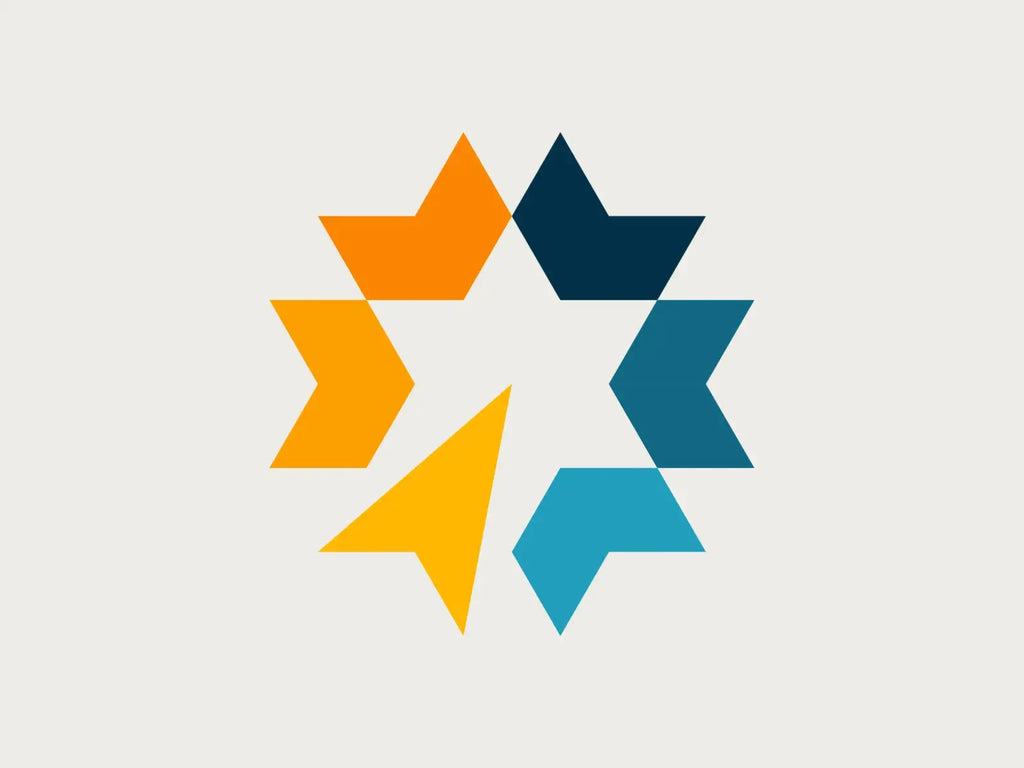
Source: Dylan Menke, Star Logo, Dribble, https://dribbble.com/shots/16454702-Star-Logo

Emphasizing Directional Energy

In Feng Shui, the direction of movement in a logo plays a crucial role in how energy, or “chi,” flows. Directional energy guides perception and influences the way people interpret the brand’s message. Aligning the directionality of a logo with a brand’s intention enhances its overall effectiveness and success.

Upward Movement symbolizes growth, ambition, and prosperity. Logos with upward-facing elements—such as arrows, triangles, or rising curves—convey progress and innovation. This design choice is ideal for businesses focused on leadership, technology, or personal development.

Horizontal Movement reflects stability, trust, and continuity. Logos that incorporate horizontal lines or flowing elements suggest a steady and dependable energy, making them well-suited for financial institutions, legal firms, and educational organizations.

Circular and Rotational Motion signifies balance, wholeness, and infinite potential. Spiral or circular designs encourage a smooth energy flow, creating a sense of harmony. These elements are commonly used in wellness, holistic health, and sustainability brands.

Rightward Motion suggests forward-thinking and future-oriented perspectives. Logos that lean or point toward the right evoke a sense of movement and progress, ideal for brands in innovation and business growth.

Avoiding Downward Energy is important, as downward-facing elements can suggest decline, stagnation, or negative energy. If a downward shape is necessary, it should be balanced with an uplifting element to counteract any unwanted connotations.

By consciously directing energy in logo designs, businesses can create a visual identity that aligns with their aspirations, reinforcing positive momentum and brand success.

Enhancing Prosperity With Gold Accents

Gold is one of the most powerful colors in Feng Shui, symbolizing wealth, success, and abundance. When used in logo designs, gold accents attract prosperity and elevate the brand’s image, making it appear prestigious and trustworthy.

Gold Represents Financial Growth, making it an excellent choice for businesses in finance, luxury, and high-end services. When incorporated thoughtfully, gold conveys sophistication and exclusivity, reinforcing the perception of value.

Balance Is Key when using gold in a logo. Too much gold can appear excessive or overpowering, while subtle gold accents—such as a refined stroke, a gradient highlight, or metallic typography—can enhance the design without overwhelming it.

Pairing Gold With Complementary Colors amplifies its effect. Deep blues and blacks create a strong contrast, exuding power and authority. White and neutral shades help gold stand out in a balanced and elegant way.

Metallic Finishes in Logos introduce depth and texture, mimicking the reflective qualities of real gold. This technique enhances the sense of richness and prosperity in branding.

Gold as an Energy Amplifier works well with symbols of success, such as upward-moving elements, coins, or geometric stability. When combined with other Feng Shui principles, it strengthens the logo’s ability to attract wealth and positive opportunities.

By incorporating gold accents thoughtfully, designers can create a logo that not only looks luxurious but also radiates the energy of prosperity, reinforcing success for the brand.

Ensuring Symmetry and Balance

Symmetry and balance are fundamental in Feng Shui, as they create harmony and stability in design. A well-balanced logo exudes confidence, reliability, and positive energy, making it more visually appealing and effective.

Symmetrical Logos Represent Stability and are often perceived as more trustworthy. When both sides of a design mirror each other, it creates a sense of order and balance, which is beneficial for brands that want to project consistency and professionalism.

Asymmetry Can Be Used Effectively when carefully structured. While traditional Feng Shui favors symmetry, asymmetrical logos can still maintain balance through the thoughtful placement of elements. A slight tilt or directional shift should be countered with grounding elements to avoid chaotic energy.

Proportion and Spacing Matter in ensuring equilibrium. Uneven spacing or improperly scaled elements can create an unbalanced design, leading to subconscious discomfort. Proper alignment enhances the flow of energy and reinforces clarity in branding.

Circular and Geometric Designs naturally promote balance, making them popular choices in Feng Shui logo designs. Circles symbolize unity, while structured geometric shapes add a sense of security and order.

The Rule of Thirds Enhances Harmony, helping designers structure the logo in a way that feels aesthetically pleasing while maintaining energetic balance. By aligning key elements within this grid, a logo can achieve both visual appeal and positive chi flow.

A well-balanced logo, whether symmetrical or intentionally structured with dynamic asymmetry, enhances brand perception and creates a strong, positive presence. When aligned with Feng Shui principles, it fosters success and harmony.

Conclusion

Integrating Feng Shui wisdom into logo designs creates a powerful blend of aesthetics and energy flow, ensuring harmony, prosperity, and success. By carefully selecting colors, shapes, and symbols, designers can craft logos that resonate deeply with audiences while enhancing positive chi. Elements such as gold accents, symmetry, and directional energy further strengthen the impact of a brand’s identity. A well-balanced Feng Shui-inspired logo not only looks visually appealing but also attracts success and stability. By applying these principles thoughtfully, businesses can create logos that embody strength, clarity, and long-term growth in a meaningful and energetic way.


Source: Fabio Issao, Solitude or Small Meditations #17, Dribble, https://dribbble.com/shots/15269286-Solitude-or-small-meditations-17

A powerful logo design does more than represent a brand visually. It also communicates meaning, emotion, and energy. This is where feng shui can offer valuable insight. Rooted in ancient Chinese philosophy, feng shui focuses on harmony, balance, and the flow of positive energy. When these principles are thoughtfully applied to logo design, they can help create symbols that feel balanced, welcoming, and memorable.

Many successful brands unknowingly reflect feng shui concepts through balanced shapes, harmonious colors, and thoughtful symbolism. A well-crafted logo design can guide the viewer’s eye smoothly, evoke trust, and represent prosperity or stability. By understanding feng shui principles such as the five elements, yin and yang balance, and energy flow, designers can make more intentional creative choices.

Integrating feng shui into logo design does not mean strictly following traditional rules. Instead, it involves learning how visual elements influence perception and emotional response. From color selection to shape arrangement, every design decision can contribute to a more balanced and meaningful brand identity.

In this article, we will explore how feng shui wisdom can enhance logo design. These insights can help designers create logos that not only look beautiful but also convey harmony, positivity, and lasting brand strength.

Understanding The Connection Between Feng Shui And Logo Design

Feng shui is an ancient Chinese philosophy that focuses on creating harmony between people and their environment. While it is often associated with architecture and interior design, its principles can also be applied to visual communication. In logo design, feng shui encourages designers to think about balance, symbolism, and the emotional energy a visual mark can convey.

A successful logo design is not only visually appealing but also meaningful and memorable. Feng shui emphasizes the flow of positive energy, also known as “chi.” When designers carefully arrange shapes, colors, and proportions, they can create a logo design that feels balanced and inviting. This sense of harmony can make a brand identity appear more trustworthy and professional.

Many elements in logo design naturally connect with feng shui concepts. Circular shapes can symbolize unity and completeness, while flowing lines may represent growth and movement. Even spacing and symmetry can influence how people emotionally respond to a design. When these details are thoughtfully arranged, they help create a smooth visual experience for the viewer.

Understanding the relationship between feng shui and logo design allows designers to approach their work more intentionally. Instead of placing elements randomly, every part of the logo becomes purposeful. The goal is to create a visual mark that reflects balance, clarity, and positive energy.

By integrating feng shui wisdom, designers can develop logo design concepts that resonate with audiences on a deeper level. The result is a brand symbol that communicates harmony, confidence, and long-lasting visual impact.

Choosing Colors That Align With Feng Shui Energy Principles

Color plays an important role in both feng shui and logo design. In feng shui philosophy, colors represent different types of energy and are connected to the five elements: wood, fire, earth, metal, and water. When designers understand these associations, they can select colors that strengthen the meaning and emotional tone of a logo design.

For example, red is commonly linked to the fire element and symbolizes passion, power, and success. Green represents the wood element and is often associated with growth, vitality, and renewal. Blue reflects the water element and can communicate trust, calmness, and intelligence. By aligning these colors with the brand’s identity, designers can create a logo design that feels purposeful and balanced.

In feng shui, harmony between colors is just as important as the colors themselves. Too many conflicting tones can create visual tension, while carefully chosen combinations can create a sense of stability and flow. A balanced color palette helps ensure that the logo design remains visually comfortable and appealing to the audience.

Designers should also consider the cultural meanings behind colors. Feng shui encourages thoughtful choices that support positive associations and avoid unintended negative symbolism. This approach helps strengthen the emotional connection between the brand and its audience.

By applying feng shui color principles, a logo design can communicate energy, intention, and clarity. The right color choices not only enhance visual appeal but also contribute to a harmonious and meaningful brand identity.

Using Balanced Shapes To Create Harmonious Logo Designs

Shapes play a powerful role in how people perceive a brand, and in feng shui, shape balance is closely related to the flow of energy. When applied to logo design, balanced shapes can create a sense of harmony, stability, and clarity. A thoughtfully structured logo design helps guide the viewer’s eye naturally, making the brand symbol easier to recognize and remember.

In feng shui philosophy, smooth and rounded shapes often represent positive energy and unity. Circles and curved lines are commonly associated with harmony and completeness. When designers incorporate these shapes into a logo design, they can create a feeling of inclusiveness and balance. This is especially helpful for brands that want to communicate trust, connection, and cooperation.

Geometric shapes also carry symbolic meaning. Squares and rectangles can represent stability and reliability, while triangular forms may suggest movement or progress. The key in feng shui is ensuring that these shapes are arranged in a way that feels balanced rather than chaotic. A well-balanced logo design allows the elements to complement each other instead of competing for attention.

Spacing and proportion are equally important. Too many sharp angles or overcrowded elements can disrupt the visual flow. Feng shui encourages designers to create breathing space so the logo design feels calm and organized.

By using balanced shapes and thoughtful composition, designers can align logo design with feng shui principles. This approach helps create visual harmony while reinforcing a brand identity that feels stable, professional, and welcoming.

Source: Martine Lindstorm, YinYang Monkey - Logo, Dribble, https://dribbble.com/shots/7271077-YinYang-Monkey-Logo

Applying The Five Elements Theory In Logo Design

The five elements theory is one of the most important principles in feng shui. The elements—wood, fire, earth, metal, and water—represent different forms of energy and influence how harmony is created in design. When applied to logo design, these elements can help designers shape a brand identity that reflects balance, purpose, and meaningful symbolism.

Each element is associated with specific shapes, colors, and visual characteristics. Wood is connected with growth and creativity, often represented by vertical shapes and green tones. Fire symbolizes passion, energy, and recognition, frequently expressed through triangular shapes or warm colors such as red and orange. Earth represents stability and support, often reflected in square forms and natural colors.

Metal is linked with precision, strength, and clarity. In logo design, this element may appear through circular shapes or metallic tones like white, silver, or gray. Water symbolizes flow, adaptability, and intelligence, often represented by curved lines and cool colors such as blue or black.

Feng shui encourages designers to consider how these elements interact. A balanced logo design may highlight one dominant element that represents the brand’s personality while subtly supporting it with complementary elements. This thoughtful combination can create a logo design that feels harmonious and intentional.

By applying the five elements theory, designers can integrate feng shui wisdom into their creative process. The result is a logo design that communicates energy, balance, and a deeper symbolic meaning for the brand.

Creating Positive Energy Flow Through Logo Composition

In feng shui philosophy, the flow of energy—often referred to as “chi”—is essential for creating harmony and balance. When applied to logo design, this concept focuses on how visual elements guide the viewer’s eye. A well-composed logo design allows the eye to move smoothly across shapes, symbols, and text without feeling interrupted or confused.

Designers can create positive energy flow by arranging elements in a logical and balanced way. Curved lines, gentle angles, and thoughtful spacing often help produce a smooth visual path. In feng shui, designs that feel too rigid or chaotic may block the natural flow of energy. Therefore, logo design should aim for clarity and visual comfort.

One effective technique is to establish a clear focal point. A strong symbol or central shape gives viewers a starting point, allowing the rest of the design to support that main element. When supporting shapes and typography are placed carefully around the focal point, the overall logo design feels structured and harmonious.

Negative space also contributes to positive energy flow. Leaving enough space between elements allows the design to breathe and prevents visual clutter. In feng shui-inspired logo design, balanced spacing helps maintain calm and clarity.

By focusing on composition and movement, designers can create a logo design that feels dynamic yet stable. Integrating feng shui principles into composition helps ensure the design communicates positive energy, making the brand appear approachable, balanced, and visually pleasing.

Selecting Symbols That Reflect Prosperity And Good Fortune

Symbols have always played an important role in both feng shui traditions and logo design. A well-chosen symbol can communicate meaning instantly and create a deeper emotional connection with the audience. In feng shui, certain symbols are believed to represent prosperity, protection, harmony, and success. Incorporating these ideas into logo design can help strengthen a brand’s message and visual identity.

Common feng shui symbols include circles, flowing patterns, and natural elements that suggest balance and growth. For example, circular shapes often represent unity and completeness, making them a popular choice in logo design. Symbols inspired by nature, such as leaves, water waves, or mountains, may reflect stability, renewal, or progress.

However, selecting symbols for logo design should always align with the brand’s story and values. Feng shui encourages designers to use symbols thoughtfully rather than simply adding decorative elements. The chosen icon should support the brand identity while also conveying positive associations.

Simplicity is another key principle. A clear and recognizable symbol helps a logo design remain memorable and versatile. Overly complex graphics can weaken the visual message and disrupt the sense of harmony that feng shui promotes.

By selecting meaningful symbols that represent prosperity and balance, designers can create logo design concepts that feel intentional and inspiring. Combining feng shui symbolism with modern design techniques helps produce logos that communicate optimism, strength, and long-term brand success.

Balancing Yin And Yang In Modern Logo Design

One of the most recognized principles in feng shui is the concept of yin and yang. This philosophy represents the balance between opposing forces, such as light and dark, soft and strong, or motion and stillness. In logo design, understanding this balance can help designers create visuals that feel harmonious and complete.

Yin and yang do not represent conflict but rather complement each other. In feng shui, balance between these energies creates stability and positive flow. When applied to logo design, this idea can be expressed through thoughtful contrasts. Designers often balance bold shapes with softer curves, dark tones with lighter colors, or strong typography with subtle graphic elements.

A balanced logo design avoids extremes. If a design is too aggressive or overly minimal, it may feel unbalanced. Feng shui encourages designers to find a middle ground where visual elements support one another. For example, a strong geometric icon may be balanced with smooth spacing or elegant typography.

Another way to apply yin and yang in logo design is through composition. Designers can create visual harmony by distributing weight evenly across the layout. This ensures that no single element overwhelms the rest of the design.

By integrating the yin and yang concept into logo design, designers can create marks that feel naturally balanced. This feng shui-inspired approach helps produce logos that communicate stability, harmony, and a thoughtful sense of visual equilibrium.

Source: Dylan Menke, Star Logo, Dribble, https://dribbble.com/shots/16454702-Star-Logo

Designing Logos That Encourage Growth And Success

Feng shui places strong emphasis on growth, prosperity, and forward movement. When these ideas are incorporated into logo design, they can help create a brand identity that symbolizes progress and opportunity. A thoughtfully crafted logo design can visually express a brand’s ambition while also maintaining harmony and balance.

One way designers reflect growth in feng shui-inspired logo design is through upward movement. Shapes that rise or expand can suggest development and success. For example, ascending lines, open forms, or gradually increasing shapes may visually represent progress. These design choices can subtly communicate optimism and future potential.

Natural inspiration is also common in feng shui. Elements such as leaves, flowing lines, or circular motion often symbolize life, renewal, and continuous growth. When used thoughtfully, these visual cues help a logo design feel dynamic and full of positive energy.

Color can also support this theme. Greens often represent vitality and expansion, while warm colors may symbolize enthusiasm and achievement. In feng shui, combining supportive colors with balanced shapes can strengthen the message of growth within the logo design.

Ultimately, designing logos that encourage growth involves more than visual appeal. By applying feng shui ideas, designers can create logo design concepts that represent opportunity, progress, and long-term success. This thoughtful approach helps brands communicate confidence and positive energy through their visual identity.

Avoiding Negative Energy In Logo Shapes And Colors

In feng shui, visual elements can influence the flow of energy, making it important to avoid shapes and colors that may create imbalance or discomfort. When applied to logo design, this principle encourages designers to carefully evaluate how certain visual choices might affect perception. A harmonious logo design should feel welcoming, balanced, and easy to understand.

Sharp, chaotic, or overly aggressive shapes can sometimes disrupt the sense of harmony that feng shui promotes. While angles and strong lines can add character to a logo design, too many harsh elements may create visual tension. Designers should aim to balance bold features with softer curves or open spaces to maintain a positive energy flow.

Color selection also plays a role in avoiding negative energy. In feng shui, colors carry emotional associations and symbolic meaning. Extremely dark combinations or clashing color palettes may create a heavy or confusing visual experience. A thoughtful logo design typically uses colors that feel balanced and aligned with the brand’s personality.

Another important factor is clutter. Overly complex graphics, excessive details, or crowded compositions can block visual flow and make a logo design difficult to recognize. Feng shui encourages simplicity and clarity so the viewer can easily absorb the message of the brand.

By avoiding negative visual elements, designers can create logo design concepts that feel calm, positive, and balanced. Applying feng shui awareness helps ensure that every shape, color, and space contributes to a harmonious brand identity.

Blending Traditional Feng Shui Wisdom With Modern Logo Design

Modern logo design continues to evolve with new trends, technologies, and creative approaches. However, traditional design philosophies like feng shui still offer valuable guidance for creating meaningful visual identities. Blending ancient wisdom with modern design thinking can help designers produce logos that feel both timeless and contemporary.

Feng shui encourages balance, harmony, and thoughtful symbolism. These principles naturally align with many modern logo design practices such as simplicity, clarity, and strong visual hierarchy. By combining these ideas, designers can create brand marks that are not only aesthetically appealing but also emotionally engaging.

For example, a modern logo design may feature minimalist shapes while still respecting feng shui ideas about balance and energy flow. Clean typography, simple icons, and balanced spacing can work together to create a design that feels calm and professional. At the same time, subtle references to natural elements or harmonious color palettes can reflect feng shui inspiration.

Another advantage of blending feng shui with modern logo design is cultural depth. Many brands today seek authenticity and storytelling in their visual identity. Integrating feng shui concepts can add symbolic meaning that strengthens the brand narrative.

Ultimately, the goal is not to strictly follow tradition but to thoughtfully adapt it. By merging feng shui wisdom with modern design techniques, designers can create logo design solutions that feel balanced, purposeful, and visually powerful in today’s branding landscape.

Conclusion

Integrating feng shui principles into logo design can help designers create visual identities that feel balanced, meaningful, and memorable. By considering elements such as color harmony, symbolic shapes, energy flow, and thoughtful composition, a logo design can communicate more than just a brand name. Feng shui encourages designers to focus on harmony and positive visual energy, helping brands appear trustworthy and welcoming. When traditional wisdom is combined with modern creativity, the result is a logo design that not only looks visually appealing but also conveys stability, growth, and long-term brand strength.

Let Us Know What You Think!

Every information you read here are written and curated by Kreafolk's team, carefully pieced together with our creative community in mind. Did you enjoy our contents? Leave a comment below and share your thoughts. Cheers to more creative articles and inspirations!

How To Create A Logo Design That Tells A Story - Kreafolk

How To Create A Logo Design That Tells A Story

Dos and Don'ts When Creating A Logo Design - Kreafolk

Dos and Don'ts When Creating A Logo Design

Logo Design and Slogan Synergy: Dos and Don'ts for Designers - Kreafolk

Logo Design and Slogan Synergy: Dos and Don'ts for Designers

10 Most Famous Logo Designers Of All Time

10 Most Famous Logo Designers Of All Time

How To Become A Famous Logo Designer - Kreafolk

How to Become A Famous Logo Designer

30 Most Inspiring Logo Designer Quotes You Should Check - Kreafolk

30 Most Inspiring Logo Designer Quotes You Should Check

Top 15 Best Books About Logo Design - Kreafolk

Top 15 Books About Logo Design

Key Requirements To Be A Professional Logo Designer

Key Requirements To Be A Professional Logo Designer

The Most Updated Logo Design Trends in 2026

The Most Updated Logo Design Trends in 2026

Logo Design: The Complete Insights & Information (2024 Update) - Kreafolk

Logo Design: The Complete Insights & Information (2026 Update)

Leave a Comment