
How To Pick The Perfect Symbol For Your Logo Design

Source: Voronoi Studio, LF22, Dribble, https://dribbble.com/shots/19549193-LF22
Choosing the right symbol for your logo design is crucial in establishing a strong brand identity that resonates with your target audience. A symbol is not just a graphic element; it is a visual representation of your brand's core values and message. It has the power to communicate more about your brand at a glance than words ever could. In the crowded marketplace of today, where brands vie for attention, having a distinctive and meaningful symbol can significantly differentiate your business and foster brand recognition.
When selecting a symbol for your logo, it's essential to consider its relevance to your industry, its ability to convey your brand's personality, and its visual impact across various platforms and sizes. A well-chosen symbol can enhance your brand’s visibility, aid in memory retention, and create an emotional connection with your customers. In this article, we will explore practical strategies to help you find the perfect symbol for your logo design, ensuring it aligns with your brand’s identity and long-term vision.
Understand Your Brand Identity
The first step in choosing the right symbol for your logo design is to deeply understand your brand identity. A symbol should be a distilled representation of your company’s ethos, values, and aspirations. Start by defining what your brand stands for—its unique proposition, the feelings it aims to evoke, and the story it tells. This foundational understanding sets the tone for the kind of symbol that will effectively communicate your brand to the audience.
Reflect on your brand’s mission and vision statements to extract key themes that can inspire the design process. Consider your target audience: their preferences, demographics, and behaviors. The symbol should resonate with them, reflecting qualities that they value or aspire to. For example, a luxury brand might opt for a sleek, minimalist symbol to convey sophistication, while a tech company might choose a more dynamic, abstract symbol to express innovation.
This in-depth analysis not only ensures that your symbol aligns with your brand’s identity but also aids in achieving consistency across all marketing materials. When your symbol accurately represents your brand’s identity, it strengthens your positioning in the market and enhances your visibility, making it easier for customers to recognize and connect with your brand on various platforms.
Consider the Psychology of Shapes
Understanding the psychology of shapes is vital when selecting a symbol for your logo design. Shapes carry inherent meanings and evoke specific emotional responses that can significantly impact how your brand is perceived. Circles, for example, are often associated with unity, completeness, and harmony, making them ideal for brands that want to emphasize community, stability, or eternity.
Squares and rectangles convey stability, reliability, and strength. These shapes are suited for businesses that want to project an image of trustworthiness and professionalism. Triangles are dynamic and are often associated with movement, direction, and growth. They work well for companies that aim to portray progress or aggressive forward-thinking.
More complex shapes like spirals can denote creativity and evolution, and asymmetric shapes may be used to suggest modernity and innovation. The choice of shape should align with the characteristics you wish to communicate about your brand. It’s not just about the aesthetic appeal but how the shape makes your audience feel and the subconscious associations they might draw from it.
Selecting the right shape involves understanding the message you want to convey and how effectively the form can embody that message. This strategic use of shapes can enhance your logo’s ability to communicate your brand’s essence and set a strong foundation for your brand identity in the marketplace.
Keep It Simple
In logo design, simplicity is key. A simple symbol ensures that your logo is easily recognizable, memorable, and effective across various applications. When a logo is too complex, it can lose its impact and become difficult to reproduce at smaller sizes. Simple logos are not only more versatile but also tend to be more enduring over time.
When designing a symbol for your logo, consider stripping down the design to its essential elements. This minimalist approach focuses on a single shape or a few simple shapes that can be easily understood and recognized by your audience. For instance, think about some of the most iconic logos, like Apple’s apple or Nike’s swoosh; these symbols are remarkably simple yet powerful in conveying the brand's identity.
A simple symbol can also adapt more fluidly across different mediums, from digital displays to print materials, making it a versatile choice for branding. It helps in maintaining clarity and impact, whether the logo is displayed on a large billboard or a small smartphone screen.
As you create your symbol, continually refine and simplify your design. Test its recognizability by seeing if it can be sketched from memory and check its visibility at various sizes and distances. By keeping your symbol simple, you ensure it remains effective and cohesive across all brand communications.

Source: Lucas Fields, Asami Lettermark Design, Dribble, https://dribbble.com/shots/19668607-Asami-Lettermark-Design
Make It Timeless
Choosing a timeless symbol for your logo design means selecting a design that will remain effective and relevant for many years to come, regardless of trends. Timeless logo designs transcend current fads and maintain their impact and functionality through changes in the market and society.
To create a timeless symbol, focus on classic aesthetics and avoid incorporating elements that may become quickly dated or are too tied to a specific time period. For example, using basic geometric shapes or well-balanced typography can help achieve a look that won’t feel outdated as design trends evolve.
Consider the logos of companies like Coca-Cola or IBM, which have maintained a consistent visual identity over decades. These companies might refresh their logos subtly to modernize them, but the fundamental elements remain consistent, contributing to a strong and lasting brand presence.
When designing your symbol, think about its long-term use and potential future applications. Will it still be effective if your company expands or shifts its business focus? A timeless logo should be flexible enough to grow with your brand and continue to convey its core message effectively.
Ensure Versatility
Versatility is a critical aspect of effective logo design, particularly when it comes to choosing a symbol. A versatile symbol is one that functions well across different media and formats, maintaining its integrity and impact whether it’s displayed on a digital screen, printed on paper, or emblazoned on merchandise. To ensure your symbol's versatility, consider its scalability—how well does it maintain clarity and impact when scaled down to a favicon or scaled up for a billboard?
Design your symbol with simplicity in mind, as this enhances its adaptability. Avoid using too many colors or overly intricate details that might get lost in smaller sizes. Also, consider how the logo will look in black and white or in grayscale, which is often required for certain types of advertising or merchandise.
Test the symbol in various use cases—digital, print, large, small—to ensure that it can be easily integrated into different branding materials without losing its essence. This testing should include its appearance on backgrounds of varying colors and textures to ensure that the symbol remains distinctive and legible in diverse settings. By focusing on versatility, your symbol can effectively represent your brand across all platforms, ensuring consistent brand recognition and recall.
Color Matters
Color plays a pivotal role in logo design, influencing both brand perception and consumer behavior. When selecting colors for your logo's symbol, it’s important to consider the psychological connotations associated with different hues. For instance, blue often conveys trust and dependability, making it a popular choice for financial institutions, while green is associated with health and sustainability, frequently used by organic and eco-friendly brands.
Choose colors that reflect the personality and values of your brand. The right color can enhance your symbol’s visibility, emotional impact, and effectiveness in communicating your brand’s message. However, it’s also crucial to ensure that the colors work well across various mediums and applications. Some shades may look vibrant on a monitor but could lose their impact when printed in certain materials or viewed under different lighting conditions.
It's advisable to test the colors in real-world conditions and consider how color-blind users might perceive your logo. Additionally, having a version of your symbol that works in monochrome can offer flexibility in applications where color is not feasible.
Understanding color psychology and testing color choices thoroughly will help you choose the most effective palette for your symbol, ensuring that it not only catches the eye but also communicates your brand’s identity effectively across all mediums.
Be Original
Originality in logo design is essential for setting your brand apart from competitors. An original symbol ensures that your logo is distinctive and memorable, contributing to a stronger brand identity. When developing a symbol for your logo, strive to create something unique that encapsulates your brand's essence without mimicking popular trends or existing logos in your market.
To cultivate originality, start with a brainstorming session focusing on your brand’s unique features, values, and the message you want to convey. Explore different design elements, such as abstract shapes, innovative typography, and unconventional color combinations, to find a truly unique visual expression. Avoid clichés and overused icons that can make your logo feel generic and uninspired.
Moreover, consider using custom illustrations or merging elements in unexpected ways to craft a symbol that is not only unique but also meaningful. A bespoke symbol can enhance brand recognition and foster a deeper connection with your audience.
Testing your design against existing logos, especially within your industry, can help ensure that your symbol stands out and avoids unintentional similarities. Originality not only fosters brand loyalty and trust but also protects your logo from potential legal issues related to copyright infringement. By prioritizing uniqueness in your logo’s design, you establish a solid foundation for your brand’s visual identity.
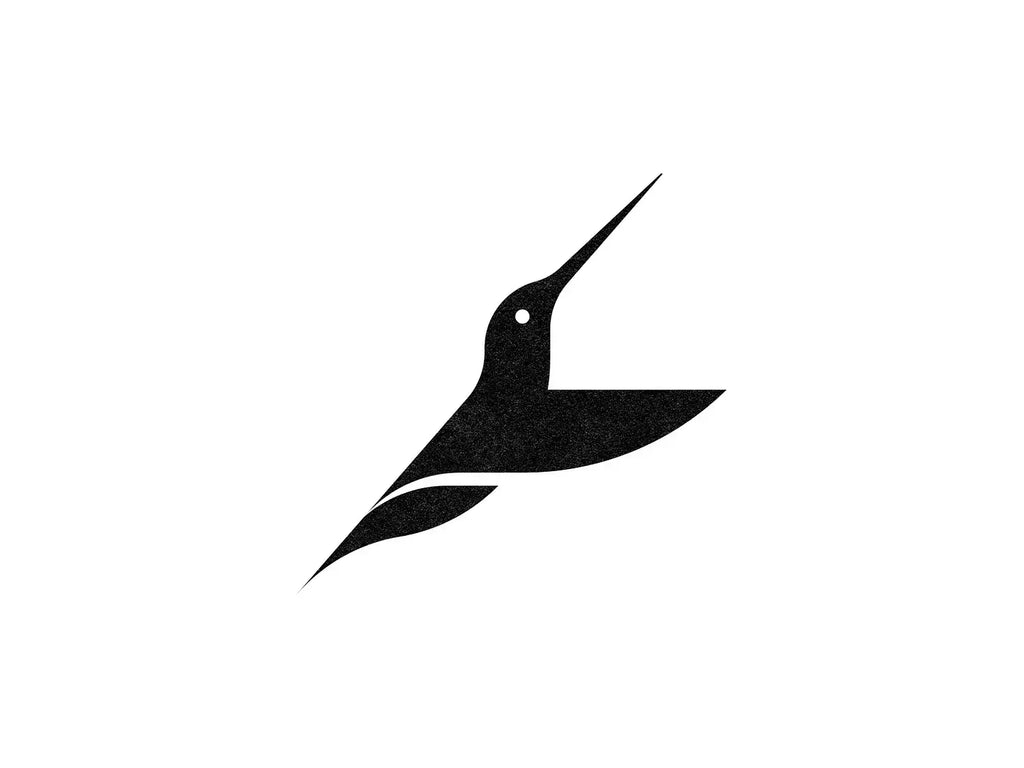
Source: Gert van Duinen (Cresk Design), Kingfisher, Dribble, https://dribbble.com/shots/18264705-Kingfisher
Test for Recognition
Testing for recognition is a crucial step in the logo design process, ensuring that your symbol effectively communicates your brand identity and is easily identifiable by your target audience. Conducting recognition tests can reveal how memorable and impactful your logo is before it goes public.
To test your symbol, you can employ various methods such as surveys, focus groups, or A/B testing. Present your logo to a diverse group of people and ask them to describe what they see, think, and feel about the symbol. This feedback can provide valuable insights into the symbol’s clarity, emotional appeal, and its ability to communicate your brand's message.
Consider asking participants if they can recall your logo after a short period and whether they can sketch it from memory. This can be an effective indicator of the logo’s memorability. Additionally, test the logo in different contexts and scales to ensure that it maintains its integrity across various media and viewing distances.
Feedback from these tests can guide further refinements, ensuring the symbol not only stands out but also resonates well with your intended audience. A well-recognized logo enhances brand recall, aids in marketing efforts, and builds a strong, enduring brand presence.
Align with Brand Name
Ensuring that your symbol aligns with your brand name is crucial in creating a cohesive and impactful logo. The symbol and the brand name should complement each other, enhancing the overall message and identity of your brand. When a symbol and brand name work in harmony, they can reinforce your brand’s narrative and make it more memorable to your audience.
When designing a symbol, consider the essence and phonetics of your brand name. For example, if your brand name suggests speed or movement, the symbol might incorporate dynamic lines or arrows. If the name connotes luxury or tradition, a more classic and refined symbol could be appropriate. This alignment helps to reinforce the brand’s message and values through visual elements.
Additionally, the style and typography of the brand name should be compatible with the style of the symbol. Mismatched fonts and styles can create a disjointed appearance, weakening the brand's impact. Consistency in design elements like color, form, and style between the symbol and the brand name strengthens brand recognition and enhances visual appeal.
Carefully consider how your symbol can visually echo elements of the brand name, whether through shape, style, or thematic content. This thoughtful integration can elevate the overall branding, making it more effective and resonant with your target audience.
Think About Storytelling
Storytelling through your logo’s symbol can profoundly impact your brand's identity and connection with customers. A symbol that tells a story not only engages your audience but also embeds a deeper understanding and appreciation of your brand’s values and origins. This narrative element can differentiate your brand in a competitive market.
Consider what story your brand wants to tell. Does your symbol reflect the heritage of your brand, its visionary goals, or perhaps its commitment to certain values like sustainability or innovation? For instance, a tree might symbolize growth and organic origins, which is perfect for brands focused on natural products or environmental consciousness.
Incorporate elements into the symbol that convey this story visually. Use metaphors or culturally significant symbols that resonate with your target audience to enhance the narrative quality of your logo. For example, using a phoenix can suggest rebirth and renewal, ideal for brands undergoing transformation or rejuvenation.
Effective storytelling through your symbol can create an emotional connection with customers, making your brand more memorable and meaningful. It’s not just about the aesthetics of the design but how effectively it communicates your brand’s unique story. By weaving narrative elements into your logo, you invite your audience to connect with your brand on a deeper level, fostering loyalty and recognition.
Conclusion
Selecting the perfect symbol for your logo design is a pivotal decision that shapes your brand's identity and market presence. A well-chosen symbol encapsulates your brand’s essence, communicates its values, and ensures recognition across various platforms. By focusing on aspects such as simplicity, originality, and storytelling, you can create a symbol that not only resonates with your audience but also stands the test of time. Remember, a powerful symbol forms the cornerstone of effective branding, forging a strong visual connection with your customers and setting the stage for your business's success.
Let Us Know What You Think!
Every information you read here are written and curated by Kreafolk's team, carefully pieced together with our creative community in mind. Did you enjoy our contents? Leave a comment below and share your thoughts. Cheers to more creative articles and inspirations!
Related Articles


Leave a Comment