
Here’s How to Draft & Refine Your Logo Design to Perfection
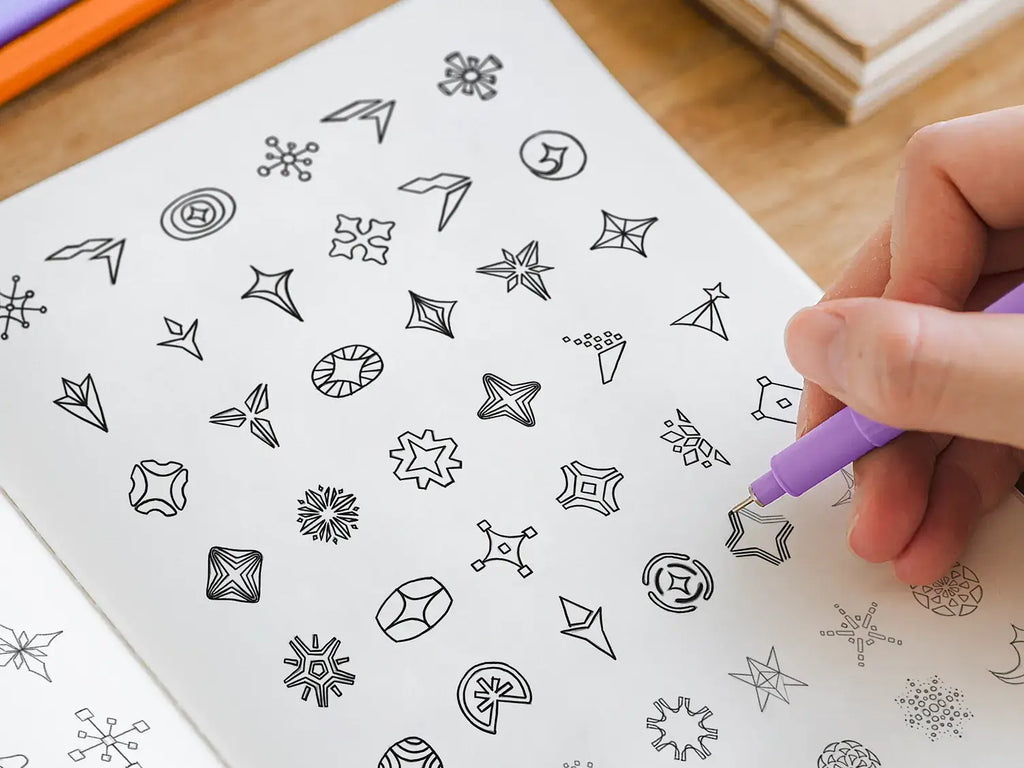
Source: Ramotion, MetaSpark Logos, Logo Mark, Modern Design Creative Concept, Dribbble, https://dribbble.com/shots/16597200-MetaSpark-Logos-logo-mark-modern-design-creative-concept
A great logo design does more than simply represent a brand visually. It communicates identity, values, and personality in a single, memorable mark. Whether you are designing for a startup, a personal brand, or an established company, the process of drafting and refining a logo design is essential to achieving a result that truly stands out. A thoughtful approach helps ensure the final logo design looks professional, balanced, and meaningful.
Many successful designers begin with rough sketches and gradually refine their concepts through careful adjustments. This process allows ideas to evolve naturally while giving designers the opportunity to explore different shapes, typography styles, and visual directions. By drafting multiple variations and improving them step by step, designers can discover the strongest concept that best represents the brand.
Refining a logo design also involves paying attention to details such as proportions, spacing, readability, and versatility. Small adjustments can dramatically improve how a logo appears across different platforms, from websites and social media to packaging and print materials. A well-refined logo design should remain clear, recognizable, and visually appealing in any size or context.
In this guide, we will explore practical steps that help designers draft ideas effectively and refine them into a polished logo design. These tips will help you turn early concepts into a professional visual identity that represents a brand with confidence and clarity.
Understanding The Purpose Of Your Logo Design
Before drafting any visual concept, it is important to clearly understand the purpose behind the logo design. A logo design is not simply an attractive symbol; it represents the identity of a brand and communicates its message to the audience. When designers start with a clear purpose, every element of the logo design becomes more intentional and meaningful.
The first step is identifying what the brand stands for. Consider the company’s values, mission, and personality. A logo design for a modern technology brand may focus on clean lines and minimal shapes, while a logo design for a traditional business might use classic typography and balanced forms. Understanding these characteristics helps guide the creative direction of the design process.
Another important aspect is thinking about how the logo design will be used. A logo should work across many different platforms, including websites, social media, packaging, signage, and print materials. By considering these applications early, designers can create a logo design that remains clear and recognizable at different sizes and formats.
Clarity is also essential when defining the purpose of a logo design. Ask questions such as what message the brand wants to communicate and what emotions the logo should evoke. These insights help transform abstract ideas into visual concepts that connect with the audience.
By starting with a strong understanding of purpose, designers can develop a logo design that feels authentic and aligned with the brand. This thoughtful foundation makes it easier to move forward with drafting concepts and refining them into a polished final mark.
Researching Your Brand And Target Audience
Research is a critical step when drafting a successful logo design. Before sketching ideas, designers should spend time learning about the brand, its industry, and the audience it wants to reach. This research helps ensure that the final logo design reflects the brand’s identity while appealing to the right people.
Begin by studying the brand’s background, values, and goals. A logo design should visually represent what makes the brand unique. Understanding the brand story can inspire symbols, shapes, and typography that capture its character. When designers know the brand deeply, the logo design becomes more meaningful and memorable.
It is also helpful to explore the competitive landscape. Looking at other logos within the same industry can reveal common visual styles and trends. While the goal is not to copy competitors, this research can help designers create a logo design that stands out while still feeling appropriate for the market.
Understanding the target audience is equally important. Different audiences respond to different visual styles. For example, a youthful audience might connect with bold colors and playful shapes, while a professional audience may prefer a more refined and minimal logo design. Knowing who will see and interact with the logo helps guide design decisions.
By combining brand research with audience insights, designers can create a logo design that communicates clearly and resonates with viewers. This thoughtful preparation makes the drafting stage more focused and increases the chances of developing a logo design that truly represents the brand.
Brainstorming Creative Logo Design Ideas
Once you understand the brand and its audience, the next step in the logo design process is brainstorming ideas. This stage allows designers to explore creative directions before committing to a specific concept. Brainstorming encourages experimentation and helps generate multiple possibilities for a strong and memorable logo design.
Start by writing down keywords related to the brand. These could include the company’s values, services, personality, or industry. For example, if the brand focuses on innovation, keywords like modern, dynamic, or forward-thinking may inspire visual elements in the logo design. These words can guide designers toward shapes, icons, and typographic styles that represent the brand effectively.
Mind mapping is another useful brainstorming method. By connecting ideas visually, designers can uncover unique relationships between symbols and brand messages. This technique often leads to creative directions that might not appear through traditional thinking. During this phase, it is helpful to keep the process open and flexible so that a wide range of logo design ideas can emerge.
Exploring visual references can also inspire fresh concepts. Looking at design styles, patterns, or cultural symbols may spark ideas that translate well into a logo design. However, the goal is always to create something original that represents the brand authentically.
Brainstorming is most effective when designers focus on quantity first and refinement later. Generating many ideas increases the chances of discovering a unique and impactful logo design concept that can later be developed and polished.

Sketching Initial Concepts For Your Logo Design
After brainstorming ideas, the next step is turning those thoughts into visual sketches. Sketching is a crucial stage in the logo design process because it allows designers to quickly explore concepts without the limitations of digital tools. Simple pencil sketches can reveal strong visual ideas that form the foundation of an effective logo design.
Start by drawing several rough variations based on the ideas developed during brainstorming. At this stage, the goal is not perfection but exploration. Designers should experiment with different shapes, layouts, and lettering styles to see how each concept might work as a logo design. Quick sketches help capture creative ideas before they are forgotten.
Working on paper encourages flexibility and creativity. Designers can easily adjust proportions, combine symbols, or simplify elements while sketching. This process often leads to new discoveries that improve the overall direction of the logo design. Many professional designers produce dozens of sketches before selecting the strongest concept.
While sketching, focus on simplicity and clarity. A successful logo design should be recognizable and easy to understand. Complex details can often weaken a logo’s impact, especially when it appears in small sizes or on different media platforms.
Once several sketches are complete, designers can review them carefully to identify the most promising concepts. These selected sketches will become the starting point for further refinement and digital development in the logo design process.
Selecting The Strongest Logo Design Concept
After sketching multiple ideas, the next step in the logo design process is selecting the strongest concept. At this stage, designers review their sketches carefully to identify which ideas communicate the brand message most clearly. A strong logo design should feel memorable, balanced, and aligned with the brand’s identity.
Begin by narrowing down your sketches to a small group of promising concepts. Look for designs that are simple yet distinctive. Simplicity is a key quality of a successful logo design because it allows the mark to remain recognizable across many different applications. Complex elements may look interesting at first, but they can reduce clarity when the logo design is scaled down.
Another important factor is relevance. A good logo design should visually connect to the brand’s industry, values, or personality. When evaluating concepts, ask whether the design reflects what the brand represents. The best logo design often communicates meaning without needing lengthy explanations.
Versatility should also be considered when selecting a concept. Think about how the logo design will appear in various environments such as websites, packaging, signage, and social media profiles. A concept that remains clear and balanced in both large and small formats is usually a strong candidate for further refinement.
Once the most effective concept is chosen, designers can begin developing it more carefully. This step marks the transition from early exploration to detailed refinement, helping transform a rough idea into a polished logo design.
Refining Shapes And Proportions In Your Logo Design
Refining shapes and proportions is a crucial step in transforming a rough concept into a professional logo design. Once the main idea has been selected, designers begin adjusting the visual structure to create a balanced and harmonious composition. Careful refinement helps ensure that the logo design looks polished and visually consistent.
Start by analyzing the basic shapes used in the design. Circles, squares, triangles, and organic forms all influence how a logo design feels to the viewer. Designers often simplify these shapes to remove unnecessary details and create a cleaner appearance. A refined logo design should feel intentional rather than overly complicated.
Proportion also plays a significant role in improving a logo design. Adjusting the size relationship between symbols, letters, and spacing can greatly enhance visual balance. Even small changes in alignment or spacing can make a logo design appear more professional and easier to read.
During this stage, designers may begin recreating the concept digitally. Digital tools allow precise control over curves, angles, and spacing. By refining these elements, designers can create smoother lines and stronger visual harmony throughout the logo design.
Attention to detail is especially important during refinement. The goal is to ensure that every element works together seamlessly. When shapes and proportions are carefully balanced, the logo design becomes clearer, stronger, and more visually appealing across all types of branding materials.
Choosing The Right Typography For Logo Design
Typography plays a crucial role in shaping the personality of a logo design. The typeface you choose can communicate professionalism, creativity, elegance, or playfulness, depending on the brand’s identity. Because typography often becomes the most visible element of a logo design, selecting the right font requires thoughtful consideration and experimentation.
Start by exploring type styles that reflect the brand’s tone. For example, a modern technology company may benefit from a clean sans-serif style, while a luxury brand might use elegant serif lettering. Script or custom lettering can also give a logo design a unique and distinctive feel when used appropriately. The key is ensuring that the typography aligns with the brand’s overall message.
Readability is another important factor in logo design. A typeface should remain clear and legible at different sizes, whether it appears on a website header, product packaging, or social media profile. If a font is overly decorative or complex, it may reduce the effectiveness of the logo design in practical applications.
Designers often customize typography to strengthen the uniqueness of a logo design. Small adjustments such as modifying letter spacing, adjusting stroke thickness, or combining characters can create a distinctive identity. These refinements help ensure the logo design feels original rather than relying entirely on a standard font.
When typography and visual elements work together harmoniously, the logo design becomes more balanced and memorable. Thoughtful typographic choices help reinforce brand recognition and contribute to a polished and professional final design.

Testing Color Variations In Your Logo Design
Color is a powerful element in logo design because it influences how people perceive and remember a brand. After refining the shape and typography of a logo design, the next step is exploring color variations that enhance the visual identity. Testing different color combinations allows designers to discover which palette best represents the brand.
Each color can communicate specific emotions and associations. For instance, blue often conveys trust and professionalism, while red can suggest energy and excitement. When selecting colors for a logo design, it is helpful to consider how these emotional associations align with the brand’s personality and values.
Designers typically experiment with multiple color variations before choosing the final palette. Trying different shades, contrasts, and color pairings can reveal which combination gives the logo design the strongest visual impact. Sometimes a simple two-color palette can be more effective than a complex scheme.
It is also important to test how the logo design appears in different formats. A strong logo should work well in full color, grayscale, and single-color versions. These variations ensure that the logo design remains clear and recognizable across many types of branding materials.
By carefully testing color options, designers can enhance the visual appeal and emotional connection of a logo design. The right color palette helps the logo stand out while reinforcing the brand’s identity in a consistent and memorable way.
Gathering Feedback To Improve Your Logo Design
Once your concept has been refined with balanced shapes, typography, and color choices, the next step in the logo design process is gathering feedback. Even the most experienced designers benefit from outside perspectives. Feedback helps identify strengths and weaknesses that may not be immediately visible when working closely on a logo design.
Start by sharing the logo design with a small group of trusted individuals. This group may include team members, fellow designers, or potential users who represent the target audience. Ask clear questions about their impressions of the logo design, such as what message it communicates, how memorable it feels, and whether it reflects the brand’s personality.
It is important to listen carefully to feedback without feeling pressured to follow every suggestion. Instead, look for patterns in the responses. If several people mention the same concern about readability, balance, or clarity, it may signal an area where the logo design could be improved.
Testing the logo design in real-world contexts can also provide valuable insight. Viewing the design on mockups such as websites, business cards, or packaging helps reveal how the logo design performs in practical situations. This step ensures that the design remains effective across different formats and environments.
Constructive feedback helps designers refine their ideas and strengthen the overall quality of a logo design. By carefully considering input from others, designers can make thoughtful improvements that bring the design closer to a polished and professional result.
Finalizing And Polishing Your Logo Design
The final stage of the logo design process focuses on polishing every detail to ensure the design is ready for real-world use. After gathering feedback and making necessary adjustments, designers can confidently move toward completing the logo design with precision and consistency.
Begin by reviewing the structure of the logo design one more time. Check the alignment of elements, spacing between letters, and overall visual balance. Small refinements can greatly enhance the professional appearance of a logo design. Ensuring that every line and curve feels intentional helps create a clean and refined final mark.
Designers should also prepare multiple variations of the logo design to support different applications. This may include horizontal and vertical layouts, simplified icon versions, and single-color variations. Having these options ensures that the logo design remains adaptable across websites, social media platforms, printed materials, and merchandise.
Another important step is exporting the logo design in appropriate file formats. Vector files are especially valuable because they allow the logo to scale without losing quality. Providing organized files makes it easier for businesses to use the logo design consistently across various platforms.
Finalizing a logo design is about ensuring clarity, versatility, and visual impact. With careful attention to detail and thoughtful preparation, designers can deliver a polished logo design that represents the brand confidently and leaves a lasting impression.
Conclusion
Creating a successful logo design is a thoughtful process that moves from ideas to refinement. By understanding the brand, researching the audience, brainstorming concepts, and sketching multiple options, designers can develop a strong foundation for their work. Refining shapes, typography, and colors helps transform rough concepts into a clear and professional logo design. Gathering feedback and testing different applications further strengthens the final result. When every detail is carefully polished, the logo design becomes more memorable, versatile, and meaningful. With patience and creativity, designers can craft a logo design that truly represents a brand and leaves a lasting impression.
Let Us Know What You Think!
Every information you read here are written and curated by Kreafolk's team, carefully pieced together with our creative community in mind. Did you enjoy our contents? Leave a comment below and share your thoughts. Cheers to more creative articles and inspirations!
Related Articles


Leave a Comment