
Dropbox Logo Design: History & Evolution
Image Courtesy of Dropbox
The story of Dropbox logo design is a fascinating journey through simplicity, innovation, and digital transformation. As one of the most recognizable cloud storage platforms in the world, Dropbox has built a visual identity that reflects clarity, efficiency, and modern collaboration. From its early startup days to becoming a global tech leader, the evolution of the Dropbox logo design mirrors the company’s growth and its expanding role in the creative and professional world.
At first glance, the Dropbox logo may seem minimal, but every redesign reveals strategic artistic decisions. The iconic open box symbol, geometric precision, and carefully selected shades of blue all communicate trust, security, and forward-thinking technology. Over the years, subtle refinements in typography, spacing, and icon structure have transformed the brand from a simple file-sharing service into a dynamic platform for teamwork and creativity.
Understanding the history of Dropbox logo design offers valuable insight into how visual branding adapts to changing digital landscapes. Each stage of its evolution highlights trends in technology logo history, from skeuomorphic beginnings to flat design minimalism and bold creative experimentation. In this article, we will explore how Dropbox refined its logo to stay relevant, memorable, and visually powerful while maintaining the clean identity that users instantly recognize worldwide.
Dropbox Logo Design History
2008 - 2013
When it comes to memorable moments in brand logo history, the original Dropbox logo design in 2008 surely deserves a mention. Those initial years were a period of creativity and exploration for the young tech company, and its visual identity truly captured the essence of that time.
The original emblem of Dropbox, created back then, was composed of a strikingly detailed gradient blue open box image, placed to the left of a compact and solid black wordmark in title-case. If you recall, this image was more than a mere representation of a box; it was an artistic symbol that resonated with the company's mission. Its 3D execution, complete with intricate details, gave the design an aesthetic that was both refreshing and creative.
Now, let's talk about the colors. The light shades of blue weren't just visually appealing; they added a sense of freshness and creativity to the overall Dropbox logo design. It was a hue that immediately drew the eye, making the logo not only recognizable but also engaging.
Contrasting this bright imagery, the bold slightly narrowed letters of the wordmark represented something more grounded. They stood for professionalism and seriousness, creating a balanced visual experience. The typeface was robust yet elegant, emphasizing Dropbox's commitment to providing reliable and streamlined service.
Between 2008 and 2013, this Dropbox logo design became synonymous with cloud storage and collaboration. It was a visual marker that reflected both the company's innovative spirit and its emerging presence in the tech industry.
But logos are more than just pictures; they're visual stories that evolve with the brand. During these five years, the original Dropbox logo design served its purpose beautifully. It captured the imagination of users and designers alike, blending creativity with functionality.
However, as the company grew and technology evolved, so did the need for a new visual language. By 2013, it was clear that the original design, though loved by many, was ready for a new chapter. The transition from this period marked a significant shift in the company's branding strategy.
he Dropbox logo design from 2008 to 2013 was more than just an emblem; it was a symbol of a young, dynamic company finding its footing in the ever-changing tech landscape. The combination of fresh blue shades with a solid, professional wordmark created a lasting impression, becoming a beloved part of design history.
And for those of us in the design community, it serves as a nostalgic reminder of a time when 3D elements were in their prime, and a gradient blue box could symbolize an entire world of digital possibilities.
Image Courtesy of Dropbox
2013 - 2015
The ever-changing world of design requires brands to evolve, and Dropbox was no exception. The years 2013 to 2015 marked a significant transformation in the Dropbox logo design, aligning with the company's growth and changing technological landscape.
The redesign of 2013 wasn't merely a superficial change; it was a thoughtful reimagining of the software's emblem. Gone were the detailed 3D elements of the previous logo, replaced by more geometric and abstract visuals. This shift reflected a broader trend in design towards simplicity and minimalism, and Dropbox's new look was right on cue.
Let's explore the new color palette first. The gradient blue of the original design, which had become synonymous with Dropbox, was replaced by a solid intense shade. This switch wasn't just about aesthetics; the new blue color represented power and reliability, embodying the company's growing influence and dependable services. This subtle yet vital change in the Dropbox logo design set a confident tone for the brand's future.
Now, the emblem. While the redesign maintained the open-box contours of the previous version, the execution was entirely different. The new emblem was composed of flat rhomboid figures, which added style and progressiveness to the image. The basis of the box was enlarged and looked out of the four rhombus composition, placed above it, creating a visually dynamic effect. This geometrically focused approach signaled a move towards modernity while still paying homage to the original Dropbox logo design.
And let's not overlook the lettering. The typography on this emblem started using the same blue color as the icon, tying the visual elements together in a cohesive package. This unification between text and imagery created a seamless look, reinforcing the connection between the Dropbox brand and its user-friendly platform.
During these transformative years, the Dropbox logo design not only underwent visual changes but also encapsulated the brand's evolving identity. It was more than a redesign; it was a declaration of Dropbox's continued commitment to innovation, functionality, and design excellence.
For graphic designers, this era of Dropbox's visual identity offers a valuable lesson in how to update a well-loved logo without losing its essence. The transition from 3D to flat design, the switch in color palette, and the careful attention to geometric elements showed a mastery in visual communication.
The Dropbox logo design from 2013 to 2015 stands as a testament to the brand's ability to adapt and innovate. It embraced contemporary design trends while retaining its core identity, providing a fresh look that continued to resonate with users. It's a fascinating chapter in design history, reflecting not only the evolution of a logo but also the evolving relationship between technology, design, and the way we connect in a digital world.
Image Courtesy of Dropbox
2015 - 2017
In the constantly evolving world of graphic design, even the most subtle changes can make a significant impact. The period between 2015 and 2017 in the Dropbox logo design's history marked a time of subtle refinement rather than revolutionary transformation. Though the alterations might seem minor to the untrained eye, they were pivotal in streamlining and modernizing the brand's visual identity.
First, let's talk about the emblem. It got slightly smaller in 2015, a change that might not sound dramatic, but one that made way for more significant adjustments in other elements of the Dropbox logo design. This resizing was an elegant nod to the design principle that sometimes, less is indeed more.
Now, on to the lettering, which got enlarged in this redesign. The typeface of the inscription was replaced by another sans-serif, this time with more rounded shapes of the letters and more space inside and between them. If you're a type enthusiast, you'd appreciate how these small tweaks can breathe new life into a design. The increased spacing conveyed a sense of openness and accessibility, aligning with Dropbox's mission to facilitate seamless sharing and collaboration.
And let's not overlook the color. The blue of the Dropbox visual identity became one shade lighter. Though this change might appear minimal, color plays an enormous role in branding, and this adjustment wasn't made lightly. This lighter shade provided a softer, more approachable feel, subtly shifting the brand's image towards a more user-friendly and contemporary appearance.
What makes this phase of the Dropbox logo design particularly intriguing is the power of nuance. It wasn't about grand gestures or overhauling the entire design. It was about carefully considered adjustments that built on the existing identity. These changes reflected a maturing brand that understood its position in the market and its connection with its users.
For those of us in the graphic design community, this iteration is a perfect case study in finesse and precision. It's a reminder that you don't always need to reinvent the wheel; sometimes, a few well-thought-out tweaks can elevate a design to new heights.
The Dropbox logo design between 2015 and 2017 shows the art of subtle transformation. By resizing elements, introducing a more rounded typeface, and softening the color, Dropbox managed to refresh its visual identity without losing its essence. It's a chapter that adds to the rich tapestry of the brand's visual journey, underscoring the notion that design is never static; it's an ever-evolving dialogue between a brand and its audience. Whether you're a veteran designer or a newcomer to the field, there's inspiration to be found in this phase of Dropbox's logo evolution.
Image Courtesy of Dropbox
2017 - Present
As we journey through the visual timeline of Dropbox, the year 2017 marks yet another exciting chapter in the Dropbox logo design evolution. Building on its legacy of innovation and adaptability, the redesign of 2017 added a fresh twist to the iconic emblem, making it simultaneously more abstract and strong. This transformation wasn't just about aesthetics; it signaled Dropbox's continuing commitment to staying at the forefront of technology and design.
Let's begin with the emblem. The most noticeable alteration was the redrawing of the bottom part of the box as another rhombus, extending the geometric theme. Now composed of five blue and one white figure, all identical in their sizes, the new image breathed fresh life into the familiar symbol. This change gave the emblem a more robust, dynamic feel, reinforcing the brand's image as a dependable and cutting-edge platform. The visual harmony between the shapes in this iteration of the Dropbox logo design exemplifies the power of simplicity and symmetry.
Now, let's move on to the wordmarks. While the sans-serif typeface remained consistent with the previous logo, this time the brand chose to use a classic black color for the lettering. This might seem like a minor tweak, but it's a reflection of the timeless principle in design that sometimes a return to basics can create the most powerful impact. The classic black introduced an element of sophistication and stability, grounding the abstract emblem without overshadowing it.
For graphic designers, this phase of the Dropbox logo design offers valuable insights into how a brand can preserve its identity while still embracing change. The visual equilibrium between the abstract emblem and the strong, clear typography creates a harmonious blend of creativity and reliability. It's a design that's forward-looking without losing sight of its roots.
One can't overlook how this version of the Dropbox logo design aligns with the contemporary trends of minimalism and geometric design. It's a reminder that staying relevant doesn't always mean following the crowd; it's about understanding the essence of your brand and finding innovative ways to express it.
The Dropbox logo design from 2017 to the present stands as a symbol of a brand that knows how to evolve without losing its core. The redesign showcases the delicate balance between embracing new ideas and honoring tradition. It's a lesson in how a simple geometric twist and a return to classic color can create a lasting impression. Whether you're designing for a tech giant or a small startup, the story of Dropbox's visual evolution is a treasure trove of inspiration and a testament to the endless possibilities of design.
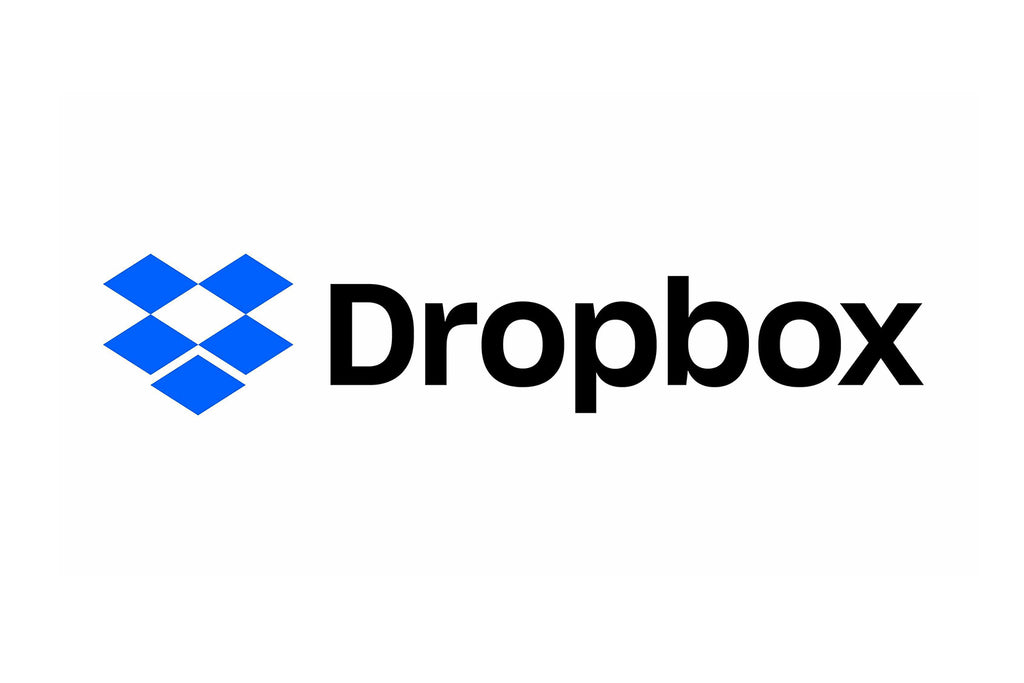
Image Courtesy of Dropbox
What Is The Meaning Behind The Dropbox Logo Design?
The Dropbox logo design may look simple at first glance, but behind its clean geometry lies a powerful story about storage, connection, and creativity. When Dropbox first entered the tech scene, it needed a visual identity that clearly communicated its purpose: making file sharing effortless. The solution was brilliantly minimal — an open box icon paired with a crisp wordmark. That box became more than just a literal container; it evolved into a symbol of possibility.
At its core, the Dropbox logo design represents a digital box — a secure space where files can be stored, accessed, and shared from anywhere. The folded shapes in the icon resemble an open package viewed from above. This perspective subtly reinforces the idea of accessibility and transparency. It is not a closed cube hiding information inside. It is open, inviting users to drop in their documents, photos, and ideas with ease.
The Symbolism Of The Open Box
The open box in the Dropbox logo design carries layered meaning. First, it reflects the brand name itself — “drop” your files into a “box.” Simple, clever, and memorable. But beyond that literal interpretation, the icon suggests collaboration. The separated geometric panels can be seen as individual pieces coming together to form a unified whole, much like teams working together through the platform.
When Dropbox refreshed its logo design in 2017, the box became more abstract and refined. The updated version moved away from heavy outlines and embraced flat, sharp shapes. This shift symbolized Dropbox’s transformation from a storage company into a creative workspace. The box no longer represented just a container for files; it represented a platform for ideas, innovation, and teamwork.
The Power Of Blue In Dropbox Logo Design
Color also plays a critical role in the meaning of the Dropbox logo design. Blue has long been associated with trust, reliability, and intelligence — qualities essential for a cloud storage provider. Users need to feel confident that their data is secure. The vibrant yet professional blue chosen by Dropbox communicates stability while maintaining a modern tech-forward feel.
In its brand evolution, Dropbox experimented with a broader color palette in marketing materials, but the core logo design retained its iconic blue. This decision preserved brand recognition while allowing creative flexibility elsewhere. The consistency of blue anchors the identity and strengthens visual recall across apps, websites, and digital interfaces.
Typography And Modern Identity
The wordmark in the Dropbox logo design complements the icon’s geometry. Clean, sans-serif typography reinforces clarity and simplicity. The spacing between letters gives the logo breathing room, reflecting the platform’s promise of organized digital space. It feels open, balanced, and approachable — never cluttered.
Ultimately, the meaning behind the Dropbox logo design goes far beyond a simple box. It tells a story of openness, collaboration, security, and creative freedom. Through thoughtful geometry, strategic color choices, and refined typography, Dropbox crafted a logo that communicates both function and vision. What began as a straightforward symbol for file storage has grown into a visual identity representing innovation in the digital age.
Continue Reading
- Instagram Logo Design: History & Evolution
- LG Logo Design: History & Evolution
- LinkedIn Logo Design: History & Evolution
- Microsoft Logo Design: History & Evolution
- Nokia Logo Design: History & Evolution
What Does The Dropbox Logo Symbol Represent?
The Dropbox logo design is a masterclass in turning a simple idea into a globally recognized symbol. At the heart of the Dropbox logo design sits the iconic open box — a geometric mark that looks clean, modern, and instantly memorable. But what does this symbol actually represent? Far more than just a container, the Dropbox emblem communicates storage, accessibility, collaboration, and creative freedom all at once.
On the surface, the symbol reflects the brand name itself: “drop” your files into a “box.” It’s literal, clever, and easy to understand. The folded shapes form a box viewed from above, slightly opened, suggesting that it is ready to receive content. This subtle openness reinforces the idea that Dropbox is not locked or complicated. Instead, it is welcoming and easy to use, designed for seamless digital storage.
The Geometry Behind The Icon
The Dropbox logo design relies heavily on geometric precision. The symbol is constructed from sharp, folded planes that resemble paper panels coming together. This structured geometry represents organization and order — two essential qualities for a cloud storage platform. Files are not scattered; they are neatly stored and structured.
At the same time, the separated panels can symbolize connection. Each piece appears distinct, yet together they form a unified box. This can be interpreted as multiple users collaborating within one shared space. In this way, the Dropbox logo design subtly communicates teamwork and synchronization without using any literal imagery of people or devices.
From Storage Box To Creative Platform
When Dropbox introduced its major brand refresh in 2017, the logo symbol evolved. The box became more abstract and refined, with cleaner lines and a flatter appearance. This redesign reflected a strategic shift. Dropbox was no longer positioning itself solely as a file storage service. It was becoming a creative workspace where ideas could grow.
The updated Dropbox logo design symbol began to represent an unfolding surface rather than just a static container. Some designers interpret it as an abstract space opening outward, symbolizing possibility and expansion. The shape feels dynamic, almost like something is emerging from it. That subtle motion captures the brand’s evolution into a collaborative ecosystem.
The Meaning Of The Color Choice
Color amplifies the symbolism of the Dropbox logo design. The bold blue hue is not random. Blue conveys trust, reliability, and intelligence — qualities users expect when storing sensitive files online. The brightness of the blue also injects energy and modernity, helping the brand stand out in a crowded tech landscape.
While Dropbox has experimented with vibrant supporting colors in its broader visual identity, the core logo symbol remains blue. This consistency reinforces brand recognition and communicates stability, even as the platform innovates.
Ultimately, the Dropbox logo design symbol represents more than a digital storage box. It embodies accessibility, collaboration, structure, and creative growth. Through thoughtful geometry, strategic color, and minimalist execution, Dropbox transformed a simple folded shape into a powerful visual metaphor for the way we store, share, and build ideas in the digital world.
What Can Designers Learn From The Dropbox Logo Design Evolution?
The Dropbox logo design evolution is a perfect case study for designers who believe simplicity is easy. Spoiler alert: it is not. What makes the Dropbox logo design so powerful is not flashy gradients or complex illustrations, but strategic restraint. Over the years, Dropbox has proven that minimalism, when executed thoughtfully, can carry enormous brand meaning.
One of the biggest lessons designers can learn from the Dropbox logo design journey is the importance of clarity. The original open box icon immediately communicated the brand name and purpose. There was no confusion, no visual noise. It showed that strong concept development should come before decoration. If the idea is solid, the design does not need unnecessary embellishments.
Lesson One: Simplicity Requires Strategy
The Dropbox logo design teaches us that simple shapes can carry complex messages. The geometric box symbol represents storage, collaboration, accessibility, and structure — all without using literal imagery like clouds or folders. Designers can learn to distill brand values into essential forms. Instead of adding more elements, refine the existing ones until they speak clearly.
When Dropbox refreshed its logo in 2017, the company did not abandon its icon. Instead, it refined it. This move demonstrates another key lesson: evolution is often stronger than revolution. Maintaining recognizable elements preserves brand equity while allowing modern updates.
Lesson Two: Adapt To Brand Growth
As Dropbox expanded from a file storage tool into a creative collaboration platform, its logo design subtly shifted to reflect that growth. The icon became sharper and more abstract, and the visual identity embraced bolder colors in marketing materials. This shows designers that a logo must grow alongside the brand.
The Dropbox logo design evolution highlights the importance of aligning visual identity with business direction. A logo is not just an aesthetic choice; it is a strategic communication tool. When a company’s mission evolves, the design system should adapt accordingly.
Lesson Three: Typography Matters
The clean sans-serif wordmark in the Dropbox logo design reinforces its modern and accessible personality. Designers often focus heavily on symbols, but typography carries equal weight. Letter spacing, font selection, and balance all contribute to brand tone. Dropbox maintained legibility and openness in its type, supporting the brand’s promise of organized digital space.
Lesson Four: Consistency Builds Recognition
Despite updates, Dropbox retained its signature blue. This consistency strengthened brand recognition across platforms and devices. Designers can learn that while experimentation is valuable, core elements should remain stable enough to anchor identity.
Ultimately, the Dropbox logo design evolution teaches designers that great branding is intentional. It balances creativity with clarity, innovation with consistency, and simplicity with depth. By studying how Dropbox refined its logo over time, designers can better understand how to create identities that are flexible, meaningful, and built to last in a fast-changing digital world.
Conclusion
The journey of Dropbox logo design reflects the power of simplicity, clarity, and thoughtful evolution. From its original open box symbol to its refined modern identity, Dropbox has consistently aligned its visual language with innovation and collaboration. The clean geometry, confident blue palette, and balanced typography show how strong design can communicate trust and creativity at the same time. As Dropbox continues to grow as a digital workspace, its logo design remains a recognizable symbol of organized ideas and seamless connection, proving that minimal design can leave a lasting and meaningful impact.
You May Also Like
- eBay Logo Design: History & Evolution
- Facebook Logo Design: History & Evolution
- Google Logo Design: History & Evolution
- HP Logo Design: History & Evolution
- IBM Logo Design: History & Evolution
Let Us Know What You Think!
Every information you read here are written and curated by Kreafolk's team, carefully pieced together with our creative community in mind. Did you enjoy our contents? Leave a comment below and share your thoughts. Cheers to more creative articles and inspirations!
Related Articles


Leave a Comment